
For many women navigating a neurodivergent lifestyle, the professional world presents a unique set of challenges. While the modern workplace has become more inclusive, the traditional business wardrobe remains largely designed for neurotypical experiences. For those with tactile sensitivities, stiff collars, restrictive waistbands, and irritating tags are not just minor inconveniences; they are constant sources of sensory input that can lead to exhaustion, distraction, and significant anxiety. Fortunately, the rise of adaptive fashion is changing the landscape, proving that sensory friendly clothing for adults can be both sophisticated and deeply functional, allowing neurodivergent women to show up as their most authentic, professional selves.
The Intersection of Professionalism and Sensory Comfort
The concept of sensory friendly clothing for adults is rooted in the understanding that our environment, including the fabric touching our skin, directly impacts our nervous system. When a garment is abrasive or overly tight, the brain must dedicate resources to processing that tactile discomfort. In a high-stakes meeting or a busy office setting, this cognitive load can be detrimental to focus and overall well-being. By choosing sensory friendly clothes for women that prioritize soft, breathable materials and ergonomic cuts, professionals can mitigate the risk of sensory overload, essentially creating a wearable buffer against the stress of the workplace.
Key Design Features to Seek
When curating a professional wardrobe, the technical construction of a garment is just as important as its aesthetic. Neurodivergent individuals often benefit from specific design choices that minimize friction and pressure. When searching for autism friendly clothing adults can rely on, keep an eye out for these essential features:
- Flatlock Seams: Traditional seams often create raised ridges that can dig into the skin. Flatlock seams lay completely flush against the fabric, preventing the rubbing that leads to irritation.
- Tag-Free Construction: Labels at the neckline or side seam are frequent culprits for sensory distress. Opt for garments with screen-printed information or easily removable tags.
- Adaptive Closures: For those who find buttons or zippers difficult, especially during moments of high stress, magnetic closures or hidden elastic waistbands can offer a seamless experience without sacrificing a polished look.
- High-Quality Natural Fabrics: Materials like bamboo, modal, and organic cotton are known for their temperature-regulating properties and exceptionally soft hand-feel, making them ideal for all-day wear.
- Hidden Stretch: Adaptive blazers that incorporate hidden stretch allow for a full range of motion. This prevents the feeling of being “trapped” in one’s clothing, which is a common trigger for those with sensory processing differences.
Curating a Neurodivergent-Friendly Professional Capsule
Building a wardrobe that balances professional expectations with personal sensory needs requires a strategic approach. It is not about sacrificing style, but rather about selecting pieces that work with your body rather than against it. Exploring sensory friendly clothing brands that understand the needs of neurodivergent professionals is the first step toward building a collection that encourages confidence.
The Foundation: Soft-Touch Basics
Start with the layers closest to your skin. A high-quality, seamless T-shirt or a soft camisole made from bamboo or silk-blend fabrics can serve as the perfect base. These items provide a consistent, soothing tactile experience that remains stable throughout the day. By investing in these foundational pieces, you create a “sensory anchor” that allows you to layer more structured items on top without feeling overwhelmed.
Structured Comfort: The Modern Blazer and Trousers
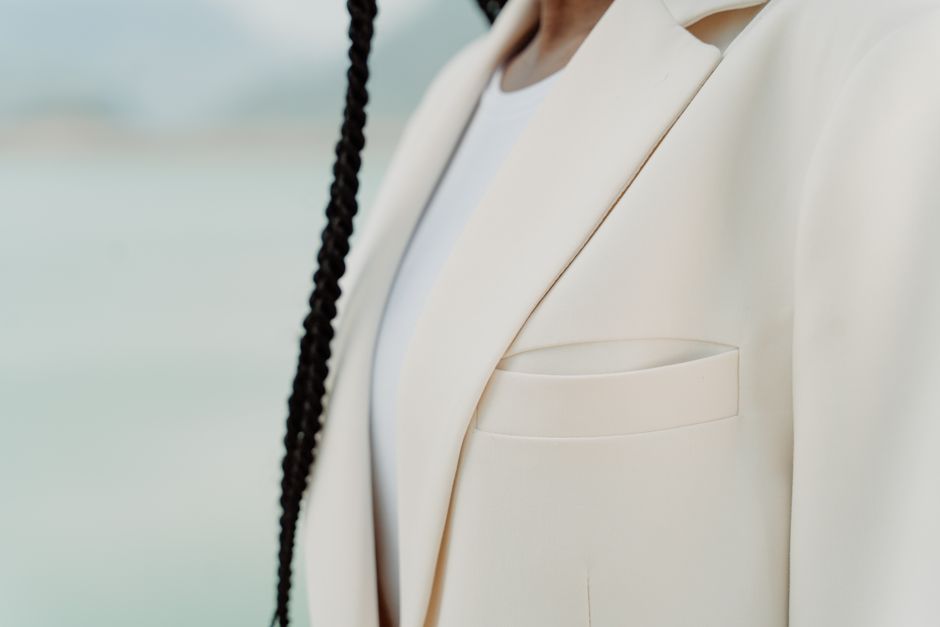
The days of restrictive, heavy wool suiting are fading. Today, many designers are creating blazers with hidden stretch and soft, unlined interiors that provide the look of a traditional power suit while feeling like loungewear. Pair these with trousers that feature flat-front designs but hidden elastic waistbands to ensure comfort during long hours of sitting or commuting. Brands like Blusss are leading the way in this space, offering sensory friendly clothing for autistic adults that bridges the gap between high-end fashion and functional, calming design.
The Impact of Sensory-Friendly Fashion on Workplace Success
The benefits of wearing clothing that aligns with your sensory needs extend far beyond physical comfort. When your body is not distracted by tactile irritation, your brain is free to engage more fully with your tasks. This is particularly relevant for neurodivergent women who may already be managing the “masking” required to navigate social and professional expectations. By removing the physical distraction of uncomfortable clothing, you reduce the overall sensory load, leaving more energy for creative problem-solving, communication, and leadership.
Furthermore, there is a profound psychological benefit to feeling comfortable in one’s own skin. When you are not constantly adjusting a waistband or feeling agitated by a scratchy seam, your posture and presence naturally become more confident. This alignment between your internal state and your outward appearance is a powerful tool for professional growth.
Common Questions About Sensory-Friendly Workwear
How do I know if a garment will be comfortable before I buy it?
Look closely at the product descriptions online. Brands that cater to sensory needs will explicitly mention features like “flatlock seams,” “tag-free,” or “seamless construction.” If a website does not provide this information, check the material composition; high percentages of bamboo, modal, or spandex usually indicate a softer, more flexible garment. If you are shopping in person, always perform the “rub test”—rub the inside of the fabric against the inside of your wrist, which is a sensitive area that can help predict how the fabric will feel during a full day of wear.
Are there sensory friendly clothing brands that offer professional styles?
Yes, the market for neurodivergent clothing for adults is expanding rapidly. While some brands focus strictly on casual wear, a growing number of adaptive fashion labels are now creating professional attire. Look for companies that emphasize “sensory-friendly” in their mission statements, as they are more likely to have considered the specific needs of neurodivergent professionals in their design process.
Can I make my existing wardrobe more sensory friendly?
Absolutely. You can start by removing all tags from your current garments. If you have trousers that are uncomfortable at the waist, consider using a fabric-covered elastic extender. You can also wear soft, seamless undershirts beneath scratchier fabrics to create a barrier between your skin and the garment. Small adjustments can make a significant difference in how you manage your sensory environment at work.
Conclusion
Embracing a wardrobe that honors your sensory needs is a radical act of self-care. As a neurodivergent woman in the professional sphere, your value lies in your unique perspective and contributions, not in your ability to tolerate physical discomfort for the sake of traditional expectations. By prioritizing sensory well-being and choosing clothing that supports your nervous system, you are not just getting dressed for work—you are setting the stage for a more productive, calm, and confident professional life. As the industry continues to evolve, the distinction between “professional” and “comfortable” will continue to blur, making it easier than ever to curate a closet that celebrates both your ambition and your sensory reality.