

The landscape of veterinary medicine is undergoing a profound shift, moving away from reactive treatments toward a proactive, data-driven model of care. At the center of this revolution is the rise of the bio-data ledger—a sophisticated approach to gathering longitudinal information about our companions. By utilizing a wearable device equipped with advanced sensors, owners and veterinarians can now access a continuous stream of physiological and behavioral metrics. This transition from intermittent clinical snapshots to a comprehensive, real-time understanding of animal health is redefining how we detect illness, manage chronic conditions, and optimize the well-being of our dogs.
The Mechanics of Canine Health Monitoring
Modern wearable sensors for dogs are far more than simple activity trackers. While early iterations focused primarily on step counts and calorie burning, current technology integrates multi-modal sensing capabilities. These devices often combine accelerometers, gyroscopes, heart rate monitors, and even respiratory rate sensors to provide a holistic view of a dog’s physiological state. By aggregating this data into a centralized ledger, users can establish a baseline for their specific pet, allowing for the immediate identification of deviations that might indicate underlying health concerns.
Understanding Physiological Baselines
Every dog has a unique baseline, influenced by breed, age, weight, and lifestyle. A health wearable excels at capturing these idiosyncratic patterns. For instance, a resting heart rate that remains stable for months provides a vital reference point. When monitoring begins to show subtle, sustained increases in heart rate or respiratory effort during sleep, it may alert an owner to potential cardiovascular issues or pain long before physical symptoms become apparent to the human eye. This early detection capability is perhaps the most significant benefit of the bio-data ledger approach.
Behavioral Analytics and Quality of Life
Physical health is deeply intertwined with behavioral patterns. Wearable technology enables the objective measurement of scratching, shaking, sleeping postures, and overall mobility. Because these metrics are logged continuously, owners can track the efficacy of treatments. For example, in a dog suffering from osteoarthritis, a wearable can quantify the improvement in gait and activity levels following the administration of a new medication or physical therapy regimen. This removes the subjectivity often associated with owner-reported observations, providing veterinarians with quantifiable evidence of a patient’s progress.
The Clinical Value of the Bio-Data Ledger

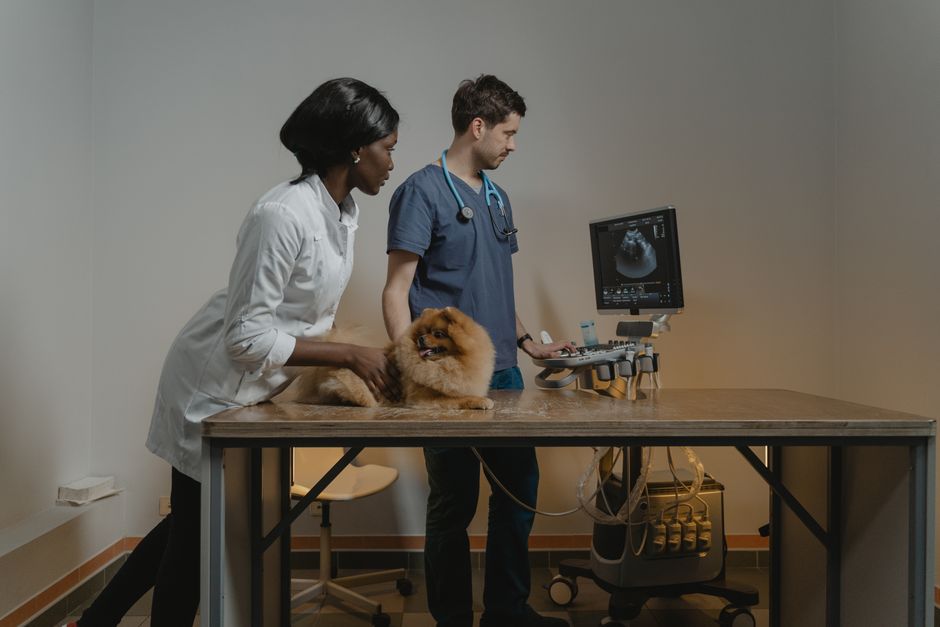
For the veterinary professional, the data generated by a wearable device serves as a bridge between the home environment and the clinic. Traditionally, veterinarians rely on the “white coat effect”—where a pet’s stress levels in a clinical setting skew vitals like blood pressure and heart rate. By accessing a pet’s longitudinal bio-data, a veterinarian can view a dog’s true physiological state in its natural habitat, leading to more accurate diagnoses and personalized treatment plans.
| Metric Type | Sensor Input | Clinical Significance |
|---|---|---|
| Cardiac Health | Heart Rate/HRV | Early detection of arrhythmias or stress |
| Respiratory | Rate/Effort | Monitoring chronic respiratory conditions |
| Locomotion | Accelerometer | Tracking mobility and arthritis progression |
| Dermatological | Scratch/Shake frequency | Assessing allergy flare-ups or skin irritation |
Integration into Preventive Care
The future of animal health management lies in the integration of these data streams into electronic medical records. When a wearable provides an alert regarding a significant change in activity or sleep quality, the owner can share this report with their veterinarian. This collaborative effort allows for preventive care rather than crisis management. Identifying a change in metabolic rate or a decline in exercise tolerance can lead to early interventions for conditions like hypothyroidism, diabetes, or renal disease.
Challenges and Considerations
While the potential for health monitoring via wearables is immense, there are challenges that must be addressed. Data privacy and ownership are paramount, as these devices collect sensitive information about both the pet and, by extension, the household routines of the owner. Furthermore, there is the risk of “data fatigue,” where owners may become unnecessarily anxious over minor fluctuations in metrics that are naturally occurring and benign.
Data Accuracy and Interpretation
Not all wearables are created equal. The accuracy of sensors can be impacted by the fit of the device, the dog’s coat density, and the placement of the hardware. It is essential for consumers to choose devices that have been validated through peer-reviewed studies. Furthermore, the interpretation of the data requires professional guidance. An owner should never attempt to diagnose their pet based solely on wearable data; instead, these insights should be used to facilitate a more informed conversation with a veterinary professional.
Frequently Asked Questions
How do I know if my dog’s wearable is accurate?
Look for devices that provide transparency regarding their validation studies. Many reputable companies work alongside veterinary universities to test their wearable sensors against standard clinical equipment. Check for reviews in veterinary journals or ask your veterinarian for recommendations based on their experience with specific technologies.
Can a wearable replace my annual vet check-up?
Absolutely not. Wearable technology is a tool designed to supplement, not replace, professional veterinary care. While a health wearable provides excellent longitudinal data, it cannot perform a physical examination, conduct blood work, or provide diagnostic imaging. It serves as an early-warning system that helps you know when a trip to the vet is necessary.
Will my vet accept data from my pet’s tracker?
Most modern veterinary practices are increasingly open to reviewing data from monitoring devices. Because this information provides a much clearer picture of your dog’s health outside the clinic, many vets find it highly beneficial. It is best to export the data or share the app reports with your clinic prior to your appointment so they have time to review the trends.
Conclusion
The adoption of wearable technology in canine care represents a fundamental shift in how we interact with our pets’ health. By building a bio-data ledger, we empower ourselves to be more observant, proactive guardians, capable of identifying subtle changes in our dogs’ well-being before they escalate into serious health issues. As sensors become more sophisticated and data integration improves, the gap between home-based observation and clinical expertise will continue to close. Ultimately, this technology is not about turning our pets into data points, but about using the best available tools to ensure they live longer, healthier, and more comfortable lives by our sides.