
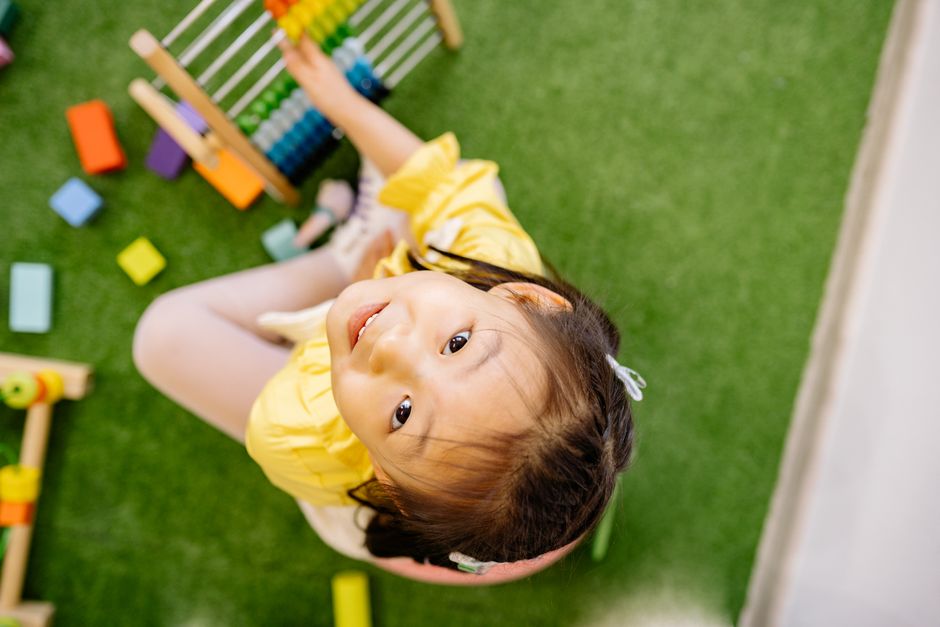
For generations, the traditional image of early childhood education has been defined by bright, indoor classrooms, alphabet rugs, and structured schedules. However, a transformative shift is occurring across the educational landscape. The rise of nature preschools represents a move beyond the classroom walls, replacing plastic toys and fluorescent lights with the sensory-rich, unpredictable, and restorative power of the natural world. As parents and educators seek alternatives to screen-heavy, sedentary lifestyles, nature-based learning is transitioning from a niche experiment into a widely respected pedagogical model that prioritizes the holistic development of the child.
The Philosophy of Nature-Based Learning
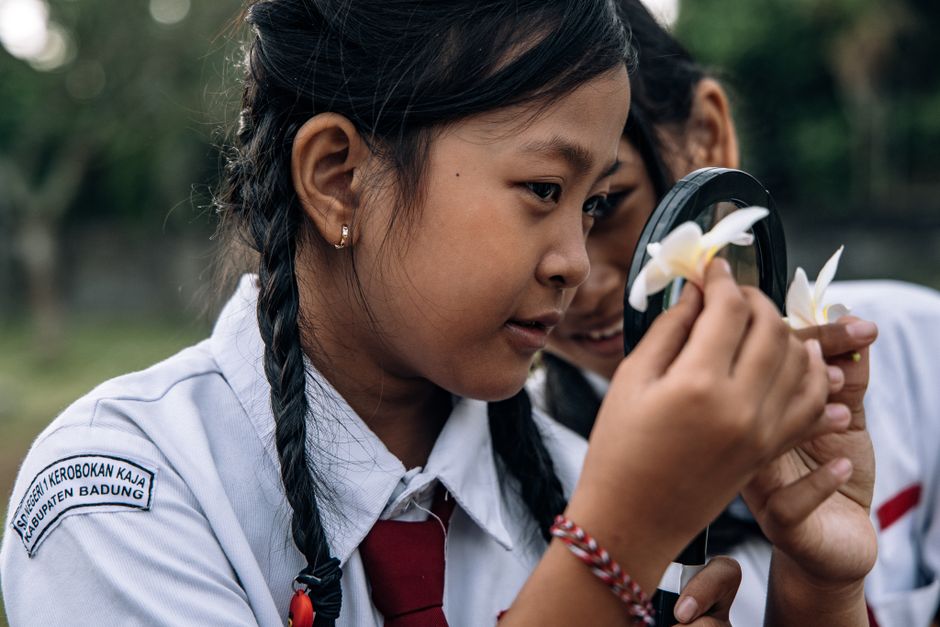
At its core, nature-based learning in early childhood is rooted in the belief that children are biologically wired to explore the outdoors. Unlike traditional models that focus on teacher-led instruction, these programs treat the environment as the primary teacher. Nature preschools operate primarily outdoors, often utilizing minimal indoor shelter, and their curriculum is driven by natural cycles rather than the rigid, hour-by-hour schedules of a standard school day.
A Curriculum of Natural Cycles
In a nature preschool, the curriculum is fluid. If it rains, the lesson becomes a study of water flow and mud properties. If the season changes, the focus shifts to migration, hibernation, or the life cycle of local flora. This approach fosters a deep sense of environmental stewardship and scientific inquiry. By following the rhythm of the seasons, children learn to observe, hypothesize, and adapt—skills that are foundational to long-term academic success.
The Developmental Benefits of Outdoor Education
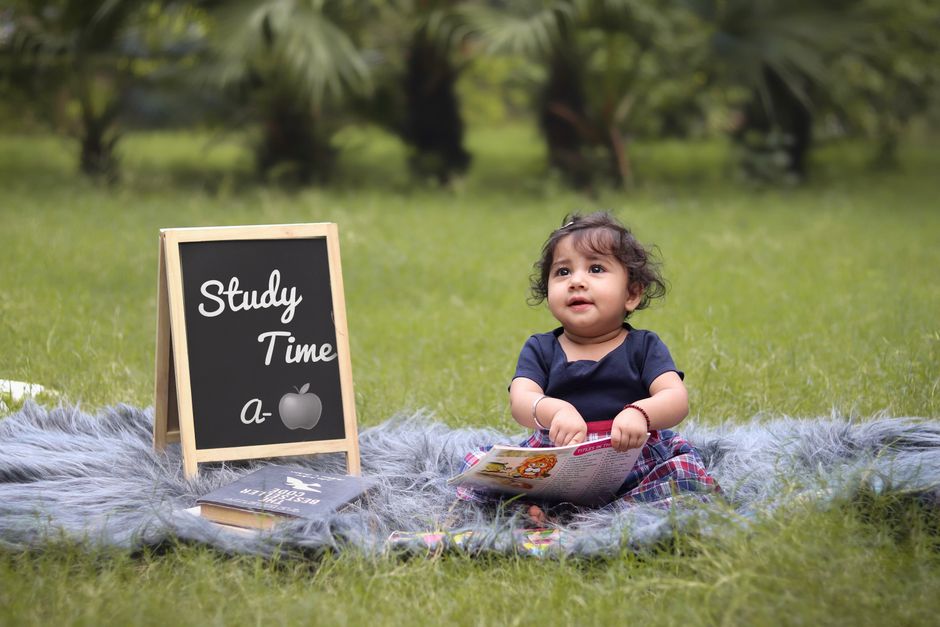
The movement toward outdoor-centric education is supported by a growing body of research that links time spent in nature to improved developmental outcomes. When children are removed from the constraints of four walls, their brains are engaged in more complex ways. The natural world provides an infinite variety of textures, sounds, and challenges that simply cannot be replicated in a synthetic classroom environment.
Cognitive and Physical Advantages
Research indicates that nature-based education significantly improves executive function, which includes the ability to focus, manage emotions, and plan ahead. The physical environment of a forest or meadow requires children to navigate uneven terrain, which drastically enhances motor skills, balance, and core strength. Furthermore, the emotional regulation benefits are profound; the calming effect of natural settings helps children manage stress and anxiety, leading to a more focused and cooperative classroom dynamic.
The Role of Risky Play
One of the most defining and misunderstood aspects of this model is the emphasis on risky play. In a controlled, safe environment, nature preschools encourage children to climb trees, balance on logs, and handle simple tools. This is not about recklessness; it is about building developmental resilience. By assessing their own physical limits and overcoming small, calculated challenges, children develop confidence and a healthy sense of self-reliance that serves them well into their adult lives.
Nature-Based Learning Examples and Activities
Integrating nature into the daily routine does not always require a vast forest. Even urban environments can be transformed into vibrant learning spaces. Educators utilize a variety of nature-based learning activities to turn simple interactions into educational milestones.
| Activity Type | Learning Objective | Developmental Benefit |
|---|---|---|
| Loose Parts Play | Creativity and Problem Solving | Fine motor skills and spatial reasoning |
| Nature Journaling | Observation and Literacy | Scientific inquiry and descriptive language |
| Forest Navigation | Spatial Awareness | Gross motor coordination and confidence |
| Shelter Building | Engineering and Teamwork | Executive function and collaboration |
These activities bridge the gap between abstract concepts and real-world application. For example, building a shelter out of fallen branches teaches children about gravity, structural integrity, and teamwork, all while they are physically active and engaged with their environment.
Common Questions About the Rise of Nature Preschools: Beyond the Classroom Walls
Is a nature preschool appropriate for all children?
Most children thrive in nature-based settings because the curriculum is inherently flexible. However, parents should consider the physical demands of the program. Because these schools operate in various weather conditions, children must be prepared for the elements. Programs often provide guidance on appropriate gear to ensure that every child remains comfortable, safe, and ready to learn regardless of the forecast.
How does this model prepare children for traditional elementary school?
Critics often worry that children in nature preschools may fall behind in traditional academic metrics. However, research suggests the opposite. By focusing on executive function and self-regulation, nature-based learning builds the foundational “soft skills” that allow children to succeed in a formal classroom later on. A child who can regulate their emotions, focus on a task, and solve problems independently is better equipped for the rigors of kindergarten than a child who has only memorized flashcards.
Is nature-based learning free or accessible to everyone?
While [the rise of](https://t10family.com/en/the-rise-of-peer-to-peer-learning-a-new-educational-paradigm/) nature preschools is significant, access can vary. Some programs are private and carry tuition costs, while others are being integrated into public park systems or community-based initiatives. There are also many free, community-led outdoor playgroups that offer a similar philosophy. As the demand for nature-based education grows, more municipalities are exploring ways to incorporate these models into public early childhood education, making this style of learning more equitable and accessible.
What if the weather is extreme?
Nature preschools prioritize safety above all else. While these programs operate in a wide variety of weather—including light rain, wind, and snow—they have strict protocols for extreme conditions. Most schools have access to a secondary indoor shelter or “base camp” area where children can retreat if weather conditions become hazardous or if the group needs a period of quiet, indoor focus.
Conclusion
The transition toward nature-based education is more than a fleeting trend; it is a necessary evolution in how we view early childhood development. By stepping beyond the classroom walls, we are providing children with the tools they need to navigate an increasingly complex world. Nature offers a classroom that never closes and a curriculum that is as deep as it is broad. As we continue to prioritize the physical, emotional, and cognitive well-being of our youngest learners, the integration of nature into our educational systems will undoubtedly remain a vital component of a healthy, holistic, and future-ready childhood experience. Embracing this movement means trusting in the innate curiosity of children and recognizing that, ultimately, the best place for a child to grow is in the wild, open spaces of the natural world.