
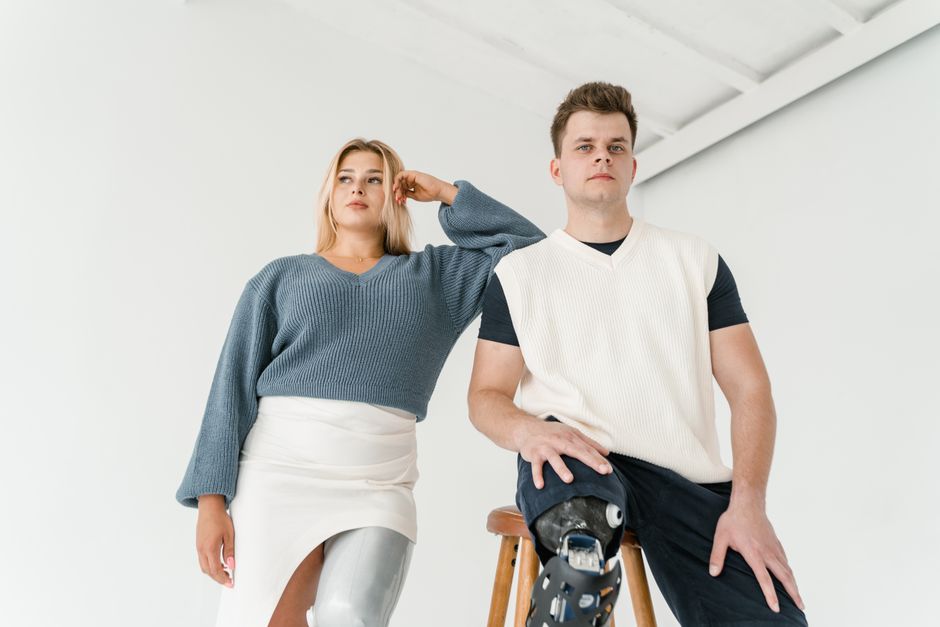
For decades, the fashion industry operated under a rigid, exclusionary framework that prioritized a narrow definition of the human form. Today, that paradigm is shifting rapidly as adaptive fashion moves from the periphery to the center of the global retail stage. This evolution represents more than a trend; it is a fundamental redesign of how we approach clothing, focusing on function, dignity, and universal accessibility. By integrating inclusive design principles, brands are finally acknowledging that style should not come at the expense of ease or independence, effectively transforming the runway and the retail landscape for millions of people.
Understanding Adaptive Fashion and Inclusive Design
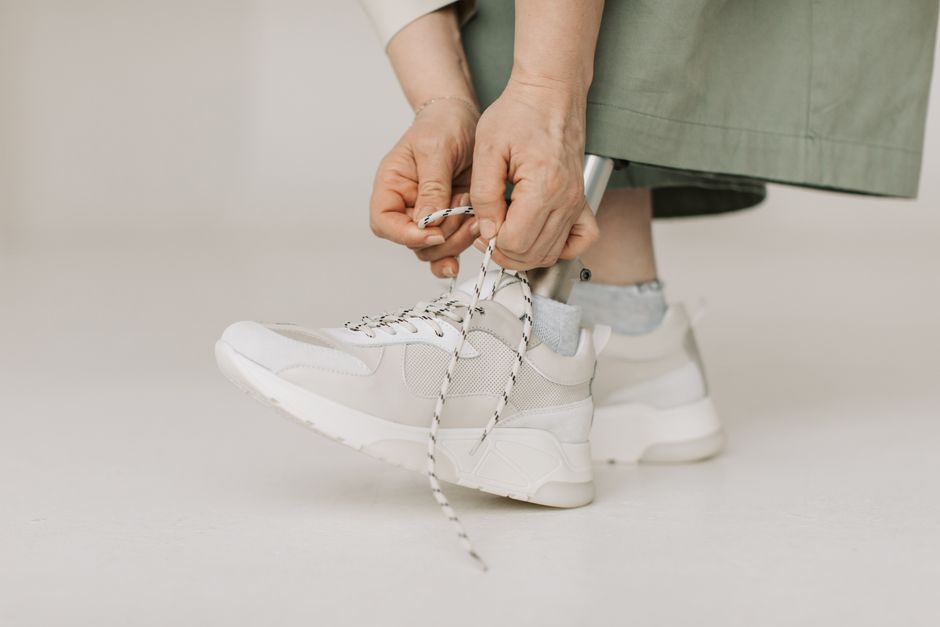
At its core, what is adaptive fashion? It is clothing, footwear, and accessories designed specifically to be easily accessible to people with disabilities, chronic illnesses, or those experiencing temporary mobility challenges. Unlike traditional apparel, which often requires complex dexterity—such as buttoning small fasteners, pulling garments over the head, or navigating tight armholes—adaptive apparel incorporates functional modifications that simplify the dressing process.
Inclusive design is the philosophy driving this change. It emphasizes that design should be intuitive for the widest possible range of users. When a brand creates a garment with magnetic closures or adjustable hems, they are not just serving one demographic; they are creating a better, more user-friendly product for everyone, including the elderly, people in post-surgical recovery, and caregivers. The market potential is staggering, with research estimates suggesting the adaptive apparel sector could reach a valuation between 32 billion and 64 billion dollars in the coming years. This economic data proves that adaptive fashion is a viable, necessary, and high-growth category that demands the attention of major fashion houses.
The Evolution of the Runway

The runway has long served as the industry’s primary stage for setting cultural norms. For years, it was a space of exclusion, but organizations like the Runway of Dreams Foundation and Open Style Lab are changing the narrative. By partnering with major retailers like Kohl’s and showcasing adaptive designs during New York Fashion Week, these organizations have provided a platform for models with various disabilities to express their personal style.
This visibility is crucial. When a person sees someone with a similar body type or physical capability represented in high-fashion settings, it validates their existence and their right to participate in the culture of fashion. These runway showcases are not merely performative; they are commercial catalysts. They demonstrate that inclusive clothing can be aesthetic, sophisticated, and trend-forward, effectively dismantling the outdated notion that medical-adjacent clothing must look clinical.
Retail Transformation: From Niche to Mainstream
Major retailers are finally beginning to listen to the demands of a diverse consumer base. Recent collaborations, such as the introduction of adaptive lines at Nine West and the continued expansion of Tommy Hilfiger’s adaptive collections, illustrate a significant shift in retail strategy. These collections often feature thoughtful, functional details that solve common barriers to independent dressing.
One common point of confusion for new shoppers is terminology. For instance, many ask, what does adaptive non seated pants mean? These are trousers specifically engineered for individuals who stand or walk but require modifications for ease of movement, such as elasticized waistbands, specialized fly closures, or reinforced seams that prevent chafing. Conversely, adaptive pants for seated users might feature higher back rises and flat-felled seams to prevent pressure sores while in a wheelchair. By diversifying their product offerings to meet these specific physical needs, retailers are reducing the “dressing room trauma” that many shoppers with disabilities face.
Technology and the Future of Fit
The integration of technology is arguably the most powerful tool in the push for truly accessible design. AI-driven fit tools and 3D body scanning allow brands to move away from the “one-size-fits-all” model that has alienated so many consumers. By utilizing data to create garments that conform to the body—rather than forcing the body to conform to a factory-standard silhouette—brands are reducing return rates and increasing customer loyalty.
Furthermore, inclusive leadership is changing the blueprint behind the scenes. When design teams include people with lived experience—disabled creators, advocates, and diverse voices—the resulting products are inherently more functional. This shift toward internal diversity ensures that accessible clothing is not just an afterthought or a “charity” project, but a core component of the brand’s identity.
Frequently Asked Questions
What does “adaptive fashion” mean?
Adaptive fashion refers to clothing and footwear designed with features that assist individuals with disabilities, reduced mobility, or sensory sensitivities. These modifications—such as magnetic closures, Velcro fasteners, sensory-friendly fabrics, and specialized cuts—make dressing easier for those who may have limited dexterity, use mobility aids, or require assistance from caregivers.
What are some examples of adaptive fashion?
Common examples include shirts with magnetic buttons or Velcro strips instead of traditional buttons, pants with side-opening zippers or adjustable waistbands, and shoes with wide openings or zipper-assisted entries. Other examples include garments with flat seams to reduce irritation for those with sensory processing differences or pressure-sensitive skin, and magnetic-closure bras that allow for one-handed operation.
What are some examples of adaptive fashion for people with disabilities?
For individuals who use wheelchairs, adaptive fashion often includes pants with higher back rises to provide coverage while sitting, and shirts with shorter fronts to prevent fabric bunching. For those with limited dexterity, items often feature large zipper pulls, magnetic closures, and pull-on designs that eliminate the need for complex fasteners. Furthermore, some brands offer “sensory-friendly” clothing made from soft, tagless materials for individuals with autism or other sensory processing conditions.
What disability has Victoria Jenkins got?
Victoria Jenkins is a prominent advocate and designer in the adaptive space who lives with a disability herself. She has been open about her experiences with multiple health conditions, including having a stoma, which served as the inspiration for founding Unhidden, a brand dedicated to inclusive and adaptive clothing. Her work highlights the intersection of medical necessity and high-end design.
Conclusion
The revolution in inclusive design is proof that fashion can be both beautiful and highly functional. By dismantling the barriers that have historically excluded people with disabilities, the industry is not only expanding its market reach but also living up to the promise of fashion as a form of self-expression for everyone. As we look toward the future, the goal must be complete integration: a world where adaptive features are standard in every collection, and where the runway reflects the true, diverse reality of the human experience. The momentum is undeniable, and the message is clear—[the future of](https://t10family.com/en/the-future-of-luxury-how-digital-fashion-is-redefining-value/) fashion is accessible, inclusive, and designed for all.