
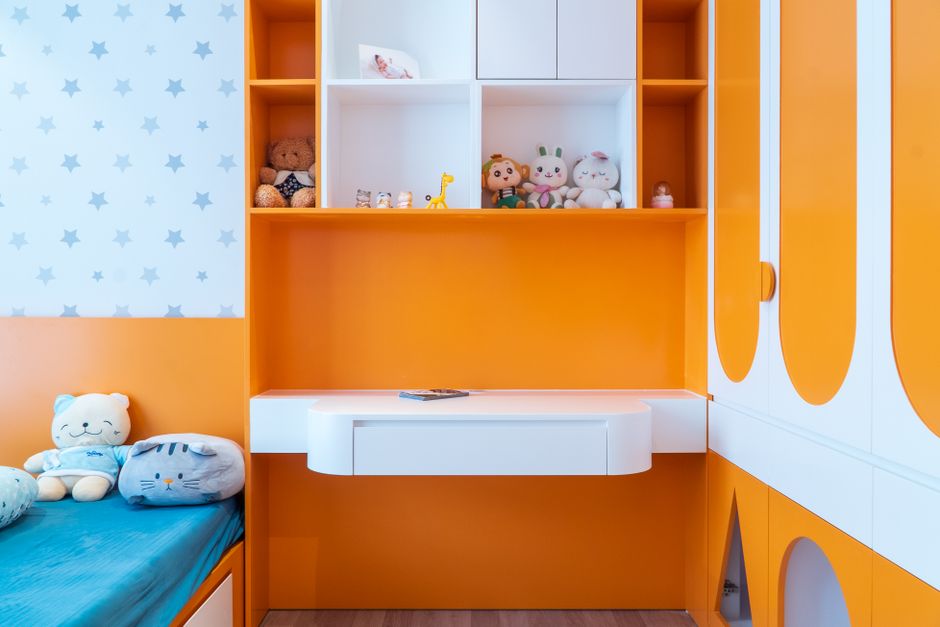
Designing a living space for a neurodivergent child requires a shift in perspective from traditional interior design. While standard bedrooms prioritize aesthetics or trends, designing sensory friendly bedrooms for neurodivergent children at home focuses on the nervous system. By curating an environment that addresses specific sensory processing needs, parents can create a sanctuary that reduces overwhelm, supports emotional regulation, and improves sleep hygiene. Because over 80 percent of children on the autism spectrum experience sleep difficulties, the bedroom is not just a place for rest—it is a critical tool for daily stability and recovery.
The Foundations of Sensory-Friendly Design

To create a truly sensory friendly space, you must first understand your child’s unique sensory profile. Some children are sensory seekers, craving deep pressure and movement, while others are sensory avoiders, easily overwhelmed by bright lights, loud noises, or chaotic visual input. The goal is to provide environmental control, allowing the child to self-regulate within their own private domain.
Color Psychology and Lighting
Visual input is often the most significant trigger for sensory overload. When selecting paint or wallpaper, move away from high-contrast patterns or saturated primary colors. Instead, opt for muted, calming tones. Soft blues, sage greens, and warm neutrals like cream or light gray help lower the heart rate and minimize visual agitation. If your child requires more stimulation, use accessories that can be removed or turned off, such as LED projectors that cast gentle, moving patterns of water or stars on the ceiling.
Lighting should always be adjustable. Harsh overhead fluorescent lighting is a common enemy in sensory bedroom for Autism design. Install dimmable switches, or utilize floor lamps with warm-toned bulbs. For children who find comfort in visual tracking, bubble lamps or fiber-optic strands provide a soothing, predictable focal point that can help them transition into a sleep-ready state.
Zoning for Predictability
One of the most effective sensory bedroom ideas for autism is the concept of zoning. By physically delineating areas for sleep, play, and calming, you provide the brain with clear cues about what is expected in each space. Use rugs or furniture placement to mark these boundaries. A sleep zone should be kept strictly for rest, while a play area can house more active sensory tools. Keeping these zones distinct helps prevent the brain from associating the bed with high-energy activities, which is essential for establishing a healthy sleep-wake cycle.
Implementing Sensory Tools and Tactile Comfort

A bedroom for a neurodivergent child should be a living, breathing space that offers both support and stimulation. Integrating specific tools can transform a standard room into a therapeutic environment.
Deep Pressure and Weighted Therapy
Many children benefit from proprioceptive input, which helps them feel grounded and secure in their own bodies. Weighted blankets are a staple in bedroom ideas for autistic child designs. The gentle, consistent pressure mimics the sensation of a firm hug, releasing serotonin and reducing cortisol levels. For daytime use, consider a weighted lap pad or a compression seat, which can provide the same calming effect while the child is reading or sitting at a desk.
Soft Spaces and Crash Areas
If your child is a sensory seeker who needs to release pent-up energy, a dedicated crash pad is an excellent addition. You can easily DIY a safe landing zone using soft foam mats or a pile of beanbags and floor cushions. This provides a safe outlet for jumping or falling, which helps the child regulate their vestibular system. For a more enclosed retreat, a pop-up sensory tent acts as a “low-stimulation bunker” where a child can retreat when the world outside their bedroom becomes too loud or chaotic.
Organizational Strategies to Reduce Clutter
Visual clutter is a major source of anxiety for many neurodivergent individuals. To manage this, transition from open shelving to opaque storage bins. Labeling these bins with pictures or words helps the child maintain independence while keeping the room’s visual profile clean. When items are tucked away, the room feels larger and more peaceful, reducing the “background noise” that can lead to sensory fatigue.
Age-Appropriate Design Considerations
As children grow, their needs evolve. A bedroom ideas for autistic boy or girl should grow with them, adapting to their changing interests and developmental milestones.
- Early Childhood (Ages 2-4): Focus on safety and simplicity. Minimize furniture to prevent nighttime wandering and use soft, rounded edges. The primary focus is establishing a consistent sleep routine.
- Middle Childhood (Ages 5-7): Introduce more autonomy. Allow the child to choose the texture of their bedding or the color of their blackout curtains. This fosters a sense of ownership, which is crucial for emotional well-being.
- Pre-Teen and Beyond (Ages 10+): Emphasize privacy and personalized workspaces. Older children often need a quiet area for study that is insulated from household noise. Noise-canceling headphones and adjustable, task-specific lighting become essential tools for their academic and personal success.
Frequently Asked Questions
How to make a sensory bedroom for autism?
Start by identifying your child’s specific sensory triggers. Begin with the basics: blackout curtains to block light, noise-canceling measures like rugs or acoustic panels, and a calming color palette. Incorporate “zones” to separate activity from sleep, and include tools like weighted blankets or fiber-optic lights to help the child self-regulate.
What is the 6 second rule in autism?
The 6-second rule refers to the processing delay often experienced by individuals on the spectrum. When you ask a question or give an instruction, wait at least six seconds before repeating yourself or expecting a response. This allows the child’s brain enough time to interpret the sensory input and formulate a reaction, preventing unnecessary frustration.
What are some good bedroom ideas for a child with ADHD?
For children with ADHD, the environment should minimize distractions and support focus. Use neutral colors to prevent overstimulation, and incorporate “fidget-friendly” furniture like wobble chairs or standing desks. Organization is key; use clear, color-coded bins to make tidying up a structured, predictable task rather than an overwhelming chore.
What is tunneling in autism?
Tunneling, or “sensory tunneling,” refers to the tendency for an individual to become so hyper-focused on a specific sensory input—such as a specific sound, texture, or visual pattern—that they become completely unaware of the rest of their environment. In bedroom design, this is why it is important to minimize extraneous, non-essential stimuli that might trigger this intense, narrowed focus.
Conclusion
Designing a sensory-friendly space is an ongoing process of observation and adjustment. By prioritizing the needs of your child’s nervous system, you are doing more than just decorating a room; you are providing a foundation for their mental health and daily regulation. Whether you are incorporating sensory bedroom ideas for autism on a budget or investing in specialized equipment, the most important element is the child’s comfort. Always involve them in the process to ensure the space feels like a true sanctuary—a place where they feel safe, understood, and perfectly at home.