
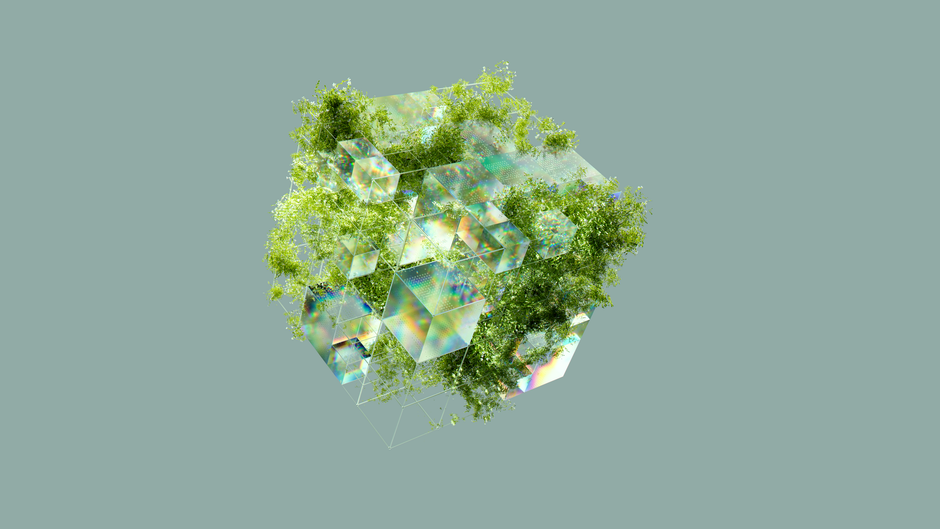
The interior design landscape is undergoing a radical transformation as designers and architects shift their focus toward regenerative, bio-based solutions. At the forefront of this movement is the emergence of mycelium—the vegetative root structure of fungi—as a viable, high-performance material for furniture and architecture. By moving away from toxic, resource-intensive manufacturing, the design industry is embracing a future where materials are not just extracted and processed, but grown. This evolution represents a fundamental change in how we conceive of sustainable interiors, turning agricultural waste into high-value, durable, and fully compostable products.
The Science of Mycelium-Based Composites
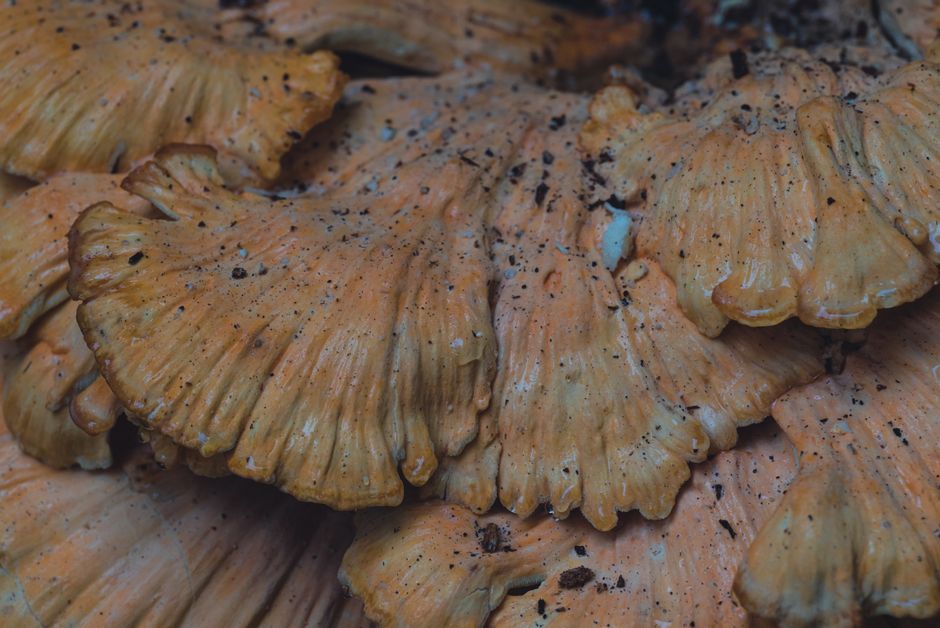
Mycelium serves as nature’s own adhesive, a dense, branching network of hyphae that binds organic matter together. When introduced to agricultural waste—such as corn stalks, hemp hurds, or wood chips—mycelium consumes the cellulose, effectively knitting the fibers into a robust, solid matrix. This process, often referred to as biofabrication, allows for the creation of custom shapes and densities by utilizing specific molds and environmental controls.
Research surrounding mycelium bricks and composites for sustainable construction industry a state of the art review highlights that these materials offer a unique structural integrity that can compete with traditional particleboard and synthetic foams. By controlling the growth conditions, such as temperature, humidity, and substrate composition, manufacturers can tune the final mycelium properties to be soft and flexible, like foam, or rigid and load-bearing, like timber. This adaptability makes it a premier candidate for the future of sustainable furniture.
Commercializing the Mycelium Revolution

The transition from laboratory experiment to commercial reality is well underway. Industry leaders are proving that mycelium-based composite: the future sustainable biomaterial is not merely a concept but a scalable solution. Companies such as Ecovative Design have pioneered the development of MycoBoard panels, which serve as a direct, formaldehyde-free alternative to traditional engineered wood. These panels demonstrate that we can replace toxic resins with biological growth processes without sacrificing the aesthetics or performance required by high-end furniture designers.
Furniture and Upholstery Applications
Beyond structural boards, the versatility of this material extends to soft furnishings. Through the development of mycelium-based foams, such as MycoFlex, designers can create cushioning that is resilient, lightweight, and entirely non-toxic. Furthermore, companies like MycoWorks are producing mycelium-based leather alternatives, known as Reishi. This material mimics the tactile qualities of animal leather while offering a significantly lower environmental footprint, providing furniture designers with a cruelty-free, biodegradable upholstery option that fits perfectly into the circular economy.
Acoustics and Thermal Insulation
One of the most practical applications for mycelium in interior design is in the acoustic sector. The porous, cellular structure of dried mycelium composites makes them excellent sound absorbers. Italian firm Mogu has led the way in creating modular acoustic panels that utilize these natural sound-dampening capabilities. These products satisfy the growing demand for sustainable commercial office design, where noise reduction is essential, and corporate responsibility mandates the use of carbon-conscious materials.
A Review of Recent Advances in Fungal Mycelium-Based Composites
As academic interest grows, the literature on a review of recent advances in fungal mycelium-based composites continues to build a case for standardization. The process involves inoculating a substrate with a fungal strain, allowing it to colonize the material within a mold, and then heat-treating the object to stop the growth and ensure the product is inert and safe for indoor use. While the basic process is straightforward, the nuances of achieving consistent material density and fire resistance remain a focus of ongoing engineering efforts.
For those interested in the technical specifications, fungi in mycelium-Based Composites: usage and Recommendations suggests that the selection of the fungal strain is critical. Different species yield different textures and mechanical properties, meaning that the palette of materials available to designers is expanding as mycologists identify new strains optimized for specific industrial applications. This level of customization allows for the creation of mycelium bricks and panels that are specifically engineered for the structural, thermal, or acoustic requirements of a project.
The Circular Economy and Design
The integration of mycelium into the design industry provides a tangible model for the circular economy. Traditional manufacturing often relies on fossil-fuel-derived synthetics that persist in landfills for centuries. In contrast, mycelium-based interior objects are born from waste and return to the earth as nutrients at the end of their life cycle. This regenerative cycle effectively decouples furniture production from the depletion of virgin natural resources. As noted in the mycelium bricks journal, the ability to utilize local, low-cost agricultural waste streams also empowers regional manufacturing, reducing the carbon footprint associated with global logistics and shipping.
Frequently Asked Questions
Who is the king of fungi?
While there is no scientific title of “king,” the Armillaria ostoyae, or the Humongous Fungus, is widely considered the largest and oldest living organism on Earth. Covering thousands of acres in Oregon, its massive underground mycelial network illustrates the sheer scale and power that this biological structure can achieve, which is precisely the potential that designers are now harnessing for material science.
What are the disadvantages of mycelium bricks?
The primary challenges involve standardization and scaling. Because mycelium is a living organism, maintaining consistency across large production batches can be difficult compared to mass-produced synthetic plastics. Additionally, mycelium-based materials are sensitive to extreme humidity if not properly sealed or treated, and they currently face a higher price point than conventional, highly subsidized petroleum-based materials.
Where can I buy mycelium fabric?
Mycelium-based textiles, such as Reishi, are currently primarily available to commercial designers and high-end fashion brands through direct partnerships with biotech companies like MycoWorks. While it is not yet widely available as a consumer-grade fabric in retail stores, the market is expanding as production capacity increases and partnerships with major design houses become more common.
How long do mycelium bricks last?
When grown, processed, and finished correctly, mycelium-based interior products are highly durable and designed for the same lifespan as conventional furniture. They are stable, fire-resistant, and structural. However, unlike plastic, they are designed to be biodegradable at the end of their lifecycle, meaning they will only break down if exposed to specific composting conditions after being intentionally discarded.
Conclusion
The rise of mycelium-based interior design represents a necessary evolution in our relationship with the built environment. By leveraging the inherent, high-performance properties of fungi, designers are proving that we do not need to rely on toxic resins or non-renewable synthetics to create beautiful, functional, and durable furniture. As we continue to refine the technology, the transition toward a “grown” interior landscape will become more accessible, allowing architects and homeowners alike to invest in materials that are as healthy for the planet as they are for the home. The future of sustainable design is not just eco-friendly—it is alive.