
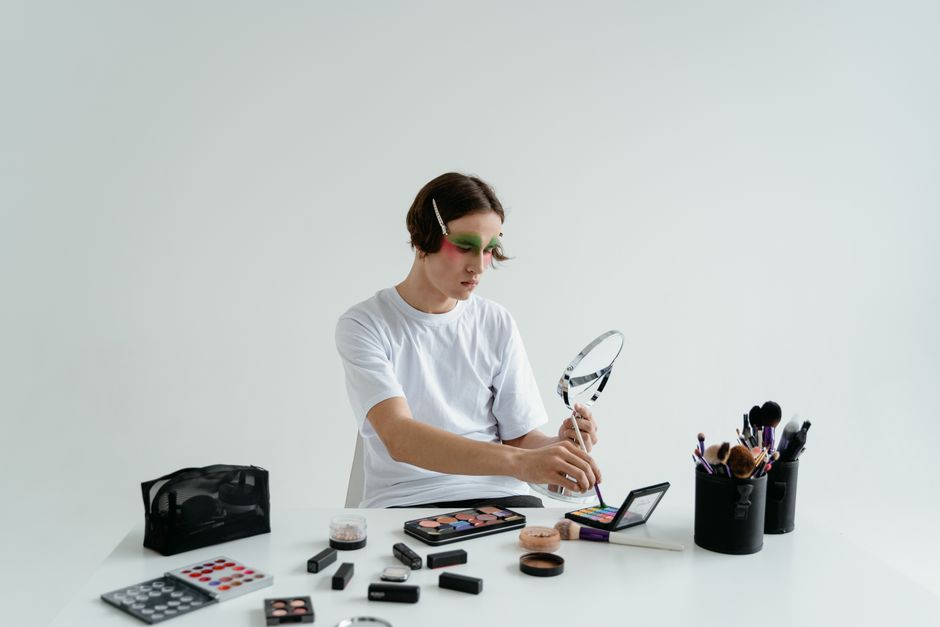
The landscape of personal care is undergoing a seismic shift, moving away from rigid, legacy archetypes toward a more fluid, inclusive future. For decades, the industry operated within a binary framework, where grooming was strictly categorized by gender. Today, the evolution of gender-neutral grooming has transcended basic hygiene, signaling a departure from traditional norms and a move toward products defined by efficacy, ingredients, and skin concerns rather than demographics. As consumers increasingly view gender as a spectrum, the beauty industry is responding with a wave of innovation that prioritizes accessibility, individual expression, and inclusivity.
The Historical Context and the Rise of Modern Grooming
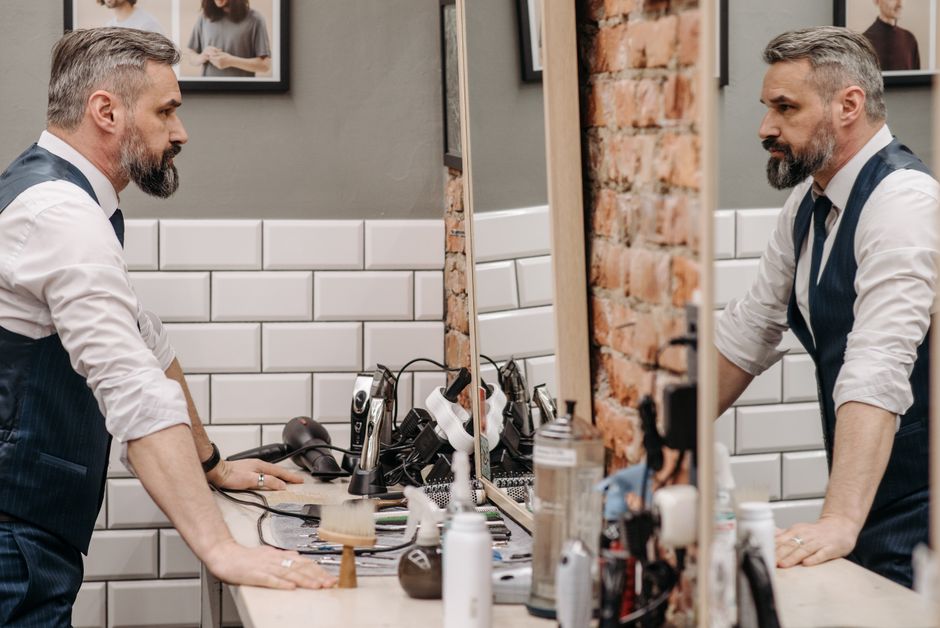
Historically, the grooming industry was bifurcated. Men were marketed products focused on utility, convenience, and scent profiles like pine or musk, while women were targeted with an expansive array of aesthetic-driven cosmetics and ritual-focused skincare. However, the last decade has seen a dramatic expansion in the scope of male-oriented products. According to research from CB Insights, the men’s grooming market has evolved from simple face washes and moisturizers to include sophisticated eye creams, rejuvenating face masks, protective sunscreen, and even corrective makeup.
This shift has been fueled by a combination of cultural influence and strategic corporate investment. Global markets, particularly in East Asia, have played a pivotal role in this evolution. In South Korea, the influence of K-pop idols has normalized the use of skincare and makeup for men, with South Korean men accounting for one-fifth of the global spend on men’s skincare as early as 2018. China has since emerged as an even larger powerhouse, with a male skincare market currently more than three times the size of the United States market. This massive consumer demand has sent a clear signal to legacy brands and investors alike.
The Economic Drivers of Industry Transformation

The commercial appetite for this shift is evidenced by a surge in mergers and acquisitions. Since the landmark 2016 acquisition of Dollar Shave Club by Unilever for $1 billion, the grooming sector has experienced a flurry of M&A activity. This includes P&G’s acquisition of Walker & Company Brands, which focuses on beauty and grooming for people of color, and the $20 million purchase of Oars + Alps by SC Johnson. These deals indicate that major corporations are not just observing the trend; they are aggressively acquiring the agility and specialized expertise of smaller, direct-to-consumer brands to stay relevant.
Modern consumers are no longer satisfied with one-size-fits-all solutions. They are seeking products that address specific dermatological needs. Consequently, brands like Stryx, Shakeup Cosmetics, and War Paint have gained traction by utilizing refreshed, minimalist packaging and digital-first distribution models. These companies have successfully lowered the barrier to entry for men who might have previously felt alienated by traditional beauty aisles.
The Shift Toward Gender-Neutrality
The most profound change in the industry is the rise of gender-neutral beauty. This movement is largely driven by Gen Z, a generation that largely rejects the constraints of traditional gender roles. Data suggests that more than half of Gen Z consumers view gender as nonbinary and prefer brands that reflect this inclusive reality. Consequently, the industry is seeing a move toward packaging and marketing that focuses on the product function rather than the user’s gender.
Brands like Aesop, Ursa Major, and Non Gender Specific have pioneered this approach, stripping away gendered language in favor of ingredient-focused education. In the realm of makeup, companies like Fenty, Milk Makeup, Fluide, and Jecca Blac are designing products that cater to all skin tones and types, regardless of the user’s identity. This shift is not limited to indie startups; legacy houses including MAC Cosmetics, Tom Ford, Gucci, and Marc Jacobs have all launched gender-neutral lines, acknowledging that the future of beauty lies in the democratization of self-care.
Inclusivity as a Core Pillar
The evolution of grooming is inextricably linked to the broader demand for diversity. Brands that prioritize inclusivity are finding long-term success by partnering with major retailers such as Ulta Beauty, Target, and CVS. Companies like Mented Cosmetics, Urban Skin Rx, and Live Tinted have successfully brought products tailored to diverse skin tones into the mainstream. By focusing on the specific needs of different skin types—rather than the gender of the consumer—these brands have set a new standard for what it means to be a modern beauty company.
The focus on Gen Z-friendly brands such as Plenaire and Bubble further illustrates this trend. These companies often utilize community-driven feedback loops to develop products that feel personal and authentic, effectively replacing the top-down marketing strategies of the past. Even incumbent luxury brands like Chanel and YSL are revamping their strategies, recognizing that to remain competitive, they must engage with younger shoppers through more nuanced, inclusive storytelling.
FAQ: Understanding the Modern Grooming Landscape
What are the current beauty trends for men?
The current trends for men lean heavily toward a more comprehensive skincare and grooming routine. Beyond basic hygiene, there is an increasing adoption of preventative skincare, including the daily use of high-SPF sunscreens, antioxidant serums, and targeted eye treatments. Furthermore, there is a growing normalization of “no-makeup” makeup, where men use subtle products like tinted moisturizers, brow gels, and color-correcting concealers to improve their complexion without appearing as though they are wearing heavy cosmetics. The emphasis is on natural, healthy-looking skin rather than artificial transformation.
Is gender-neutral grooming just a marketing trend?
While marketing plays a role, the shift toward gender-neutral grooming is rooted in fundamental changes in consumer behavior and societal values. As younger generations continue to challenge binary norms, brands that fail to adopt inclusive marketing risk becoming obsolete. The move toward gender-neutrality is a logical response to the demand for products that are formulated for specific skin concerns—such as acne, aging, or sensitivity—which are biological, not gendered. Therefore, it is a structural evolution of the industry that is likely to persist.
How can consumers identify truly inclusive brands?
Consumers can look for brands that emphasize ingredient transparency and efficacy over gendered marketing language. An inclusive brand typically avoids using “for men” or “for women” descriptors, instead focusing on skin types (e.g., oily, dry, combination) or specific concerns (e.g., hyperpigmentation, dehydration). Additionally, look for brands that show a diverse range of models across their campaigns, reflecting different ethnicities, skin tones, and gender expressions. A commitment to inclusive shade ranges and formulas that cater to all skin types is a hallmark of a brand truly invested in the future of beauty.
Conclusion
The evolution of gender-neutral grooming is more than a fleeting trend; it is a fundamental restructuring of the beauty industry. By moving beyond the basics and dismantling the outdated binary that once dictated who could use which products, the market is becoming more efficient, inclusive, and responsive to the needs of the modern consumer. Whether driven by the influence of global markets like South Korea and China, or the progressive values of Gen Z, the future of grooming lies in the celebration of individuality and the prioritization of skin health for all. As we move forward, the most successful brands will be those that continue to innovate with empathy, ensuring that every consumer, regardless of gender, feels represented and empowered in their daily care rituals.