

Have you ever caught a fleeting whiff of a specific perfume and found yourself instantly transported to a childhood kitchen, a long-lost summer vacation, or the embrace of a loved one? This isn’t mere coincidence; it is a profound demonstration of the psychology of scent. Our olfactory system is uniquely wired to the brain’s limbic system, the area responsible for emotion and memory. Because of this direct pathway, the fragrances we choose to wear—or surround ourselves with—do far more than simply mask odors; they act as invisible tools that shape our physiology, cognitive performance, and emotional state throughout the day.
The Neuroscience of Aroma
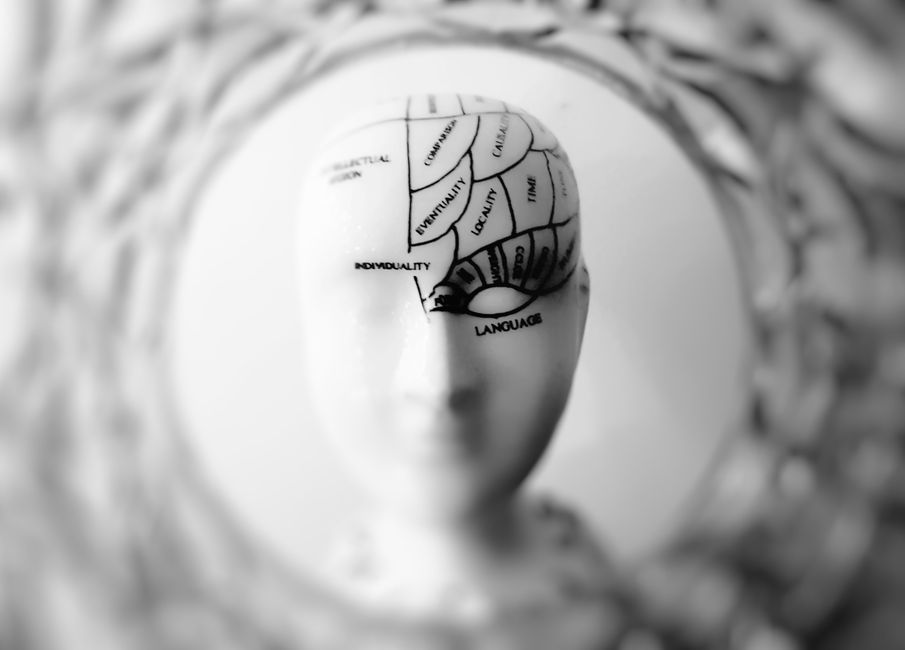
At a biological level, fragrance is composed of volatile chemical components with a molecular weight of less than 300 Daltons. When we inhale these molecules, they interact directly with the olfactory epithelium. From there, signals are sent to the olfactory bulb and subsequently to the limbic system, including the amygdala and hippocampus. This direct interaction explains why the effects of fragrance on emotions, moods, and physiology are so immediate and potent.
Recent electrophysiological studies using EEG have confirmed that various scents can alter spontaneous brain activities. By monitoring frequency characteristics, researchers have discovered that inhalation of specific aromas can shift our cognitive state, whether by inducing relaxation or sharpening focus. Unlike other sensory inputs that must be processed through complex neural pathways, scent bypasses the “logical” brain and communicates directly with our internal emotional command center.
List of Scents and Their Effects

Understanding how fragrances influence your daily mood allows you to curate your environment for specific outcomes. Whether you are looking to boost productivity or wind down after a stressful day, the following table outlines how different scents stimulate the brain and body.
| Scent | Primary Effect | Scientific Context |
|---|---|---|
| Lavender | Mood stabilization and stress reduction | Associated with reduced mental stress and increased relaxation |
| Peppermint | Physical performance and alertness | Linked to enhanced capacity for tasks and physical exertion |
| Magnolia Kobus | Increased concentration | Decreased alpha waves in the parietal region to promote focus |
| Pan-fried Green Tea | Memory task performance | Affects beta-1 activity in the right frontal region |
| Jasmine/Ylang-Ylang | Attention and alertness | Acts on basic forms of attention-related behavior |
Scents that Stimulate the Brain for Productivity
If you find yourself struggling with the mid-afternoon slump, turning to citrus or herbal scents can be a game-changer. Research indicates that scents like peppermint, lemon, and jasmine are particularly effective at sharpening focus. Peppermint, in particular, has been shown to enhance physical performance, making it an excellent choice for a pre-workout boost or a high-intensity work session. By stimulating specific frequency characteristics in the brain, these scents help transition the mind from a state of lethargy to one of cognitive readiness.
The Calming Power of Aromatherapy
In contrast, when the goal is to manage anxiety or promote deep rest, floral and earthy notes reign supreme. Lavender is perhaps the most widely recognized scent for its neuroprotective and anxiolytic properties. Prolonged inhalation of lavender has been shown to influence autonomic nervous system parameters, effectively lowering the heart rate and reducing the perception of mental stress. Incorporating these scents into your evening routine—through candles, diffusers, or pillow sprays—can signal to your brain that it is time to transition into a recovery state.
The Cultural and Psychological Context of Fragrance
Beyond clinical studies, the psychology of scent is deeply embedded in our culture and media. For instance, the way your scent affects me manhwa trope highlights how fragrance is often used as a narrative device to signify attraction, connection, or an indelible mark on another person’s memory. While this is a fictionalized representation, it mirrors the real-world truth that scent is one of the most powerful markers of identity and social interaction. We often associate specific smells with “soulmates” or significant moments, reinforcing the idea that our fragrance choices are an extension of our personality and emotional landscape.
It is important to dispel common myths regarding the safety of fragrance. A frequent question is: Does smelling perfume kill brain cells? There is no scientific evidence to support this claim. Fragrances are perceived by the olfactory system as volatile chemical signals; they do not cause neurotoxicity. When used as intended in personal care or aromatherapy, they are safe tools for emotional regulation.
Frequently Asked Questions
Can scents influence your mood?
Yes, absolutely. Because the olfactory system is directly connected to the limbic system, scent has an intrinsic ability to interact with the central nervous system. This allows fragrances to shift your emotional state, reduce stress, or increase alertness almost immediately upon inhalation.
What is the 30/50/20 rule for perfume?
This is a guideline for how perfume evolves on the skin. The 30 percent refers to the top notes (the initial scent you smell), 50 percent refers to the heart or middle notes (the core of the fragrance), and 20 percent refers to the base notes (the lasting scent that lingers for hours). Understanding this helps you choose a scent that remains pleasant as your mood and environment change throughout the day.
What is the most powerful memory trigger?
The sense of smell is considered the most powerful memory trigger because of its direct link to the hippocampus and amygdala. Unlike visual or auditory memories, which are often processed through the thalamus, olfactory information enters the brain in a raw, emotional state, making the resulting memory associations vivid and involuntary.
What is the soulmate smell theory?
The soulmate smell theory suggests that we are biologically drawn to the scent of individuals whose immune system genetics complement our own. While this is rooted in evolutionary biology regarding MHC genes, in a modern beauty context, it speaks to the idea that our “signature scent” plays a significant role in how we attract others and how we are remembered by them.
Conclusion
The psychology of scent is a testament to the fact that our environment is not just something we see or touch, but something we breathe in. By intentionally selecting fragrances that align with our desired emotional outcomes, we can leverage the power of the olfactory system to improve our daily lives. Whether you are using peppermint to power through a project, lavender to soothe your nervous system, or a specific floral note to evoke a cherished memory, you are utilizing a sophisticated, scientifically backed tool for self-care. As you navigate your day, remember that the fragrance you wear is not just a beauty choice; it is a profound influence on your mind, your mood, and the way you connect with the world around you.