
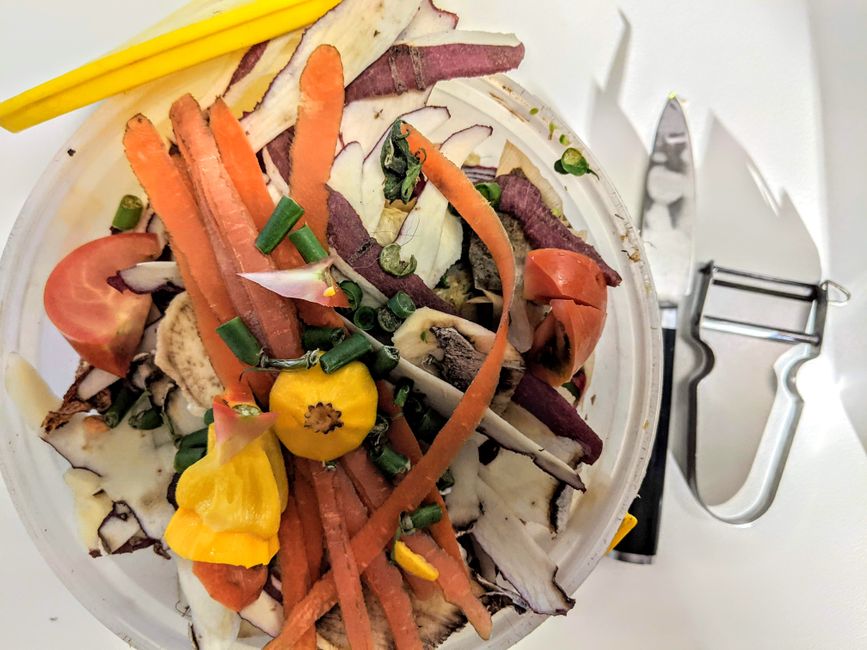
In the modern kitchen, food waste has become a silent crisis. With nearly 40 percent of the food supply in the United States going uneaten, the average household is not only contributing to environmental strain but also losing between $1,350 and $2,275 annually. Transitioning to a zero-waste mindset does not require a complete lifestyle overhaul; rather, it demands a shift in how we perceive the ingredients we bring home. By rethinking our relationship with scraps, storage, and shopping habits, we can transform our kitchens into efficient, sustainable spaces that respect both our budgets and the planet.
1. Master the Art of Intentional Shopping

The most effective way to reduce food waste is to prevent it before it enters your home. Before heading to the grocery store, conduct a quick survey of your pantry and refrigerator. Using a tool like a meal prep planner helps you outline your week, ensuring you only purchase what you truly need. When shopping, consider buying fewer items but visiting the store more frequently to ensure that your produce remains fresh and is consumed at its peak. Avoid the trap of bulk-buying perishable goods unless you have a concrete plan to freeze or process them immediately.
2. Utilize Proper Storage Techniques
Many people discard food simply because it spoils prematurely due to improper storage. Understanding the unique needs of your ingredients can drastically extend their shelf life. For instance, store celery upright in a glass of water to keep it crisp, and keep bananas away from other fruits, as they release ethylene gas that accelerates ripening. Once bananas reach their peak, move them to the refrigerator to pause the process. Investing time in learning how to organize your fridge effectively—placing items that need to be used soonest in a visible “opportunity box”—can prevent perfectly good food from being forgotten in the back of the shelf.
3. Embrace the Freezer as a Pause Button
Your freezer is the ultimate tool for zero-waste cooking. It acts as a pause button for almost anything, from dark leafy greens and bread to dairy and even lightly beaten eggs. If you notice your spinach or kale starting to wilt, chop it up, place it in an airtight container, and save it for future smoothies, curries, or sauces. To avoid freezer burn, ensure you use airtight containers and portion out ingredients so you only thaw exactly what you need for a specific recipe.
4. Rethink Expiration Dates
One of the most common reasons for unnecessary waste is a misunderstanding of date labels. Terms like “sell by,” “use by,” and “best before” are rarely federally regulated and generally serve as indicators of peak quality rather than food safety. Instead of relying solely on these dates, use your senses. If the food has been stored correctly and shows no signs of mold or off-putting odors, it is likely still safe to consume. Relying on the sniff or taste test is a practical skill that prevents thousands of pounds of perfectly edible food from reaching the landfill.
5. Create a “Scrap Bag” for Homemade Stock
Stop viewing vegetable trimmings as trash. Onion skins, carrot tops, herb stems, and celery ends are excellent flavor bases. Keep a dedicated freezer-safe bag or container and add your cleaned vegetable scraps to it throughout the week. Once the bag is full, simmer the contents with water, peppercorns, and bay leaves to create a nutrient-dense, cost-effective vegetable stock. This simple habit eliminates the need to purchase boxed broths and utilizes parts of the vegetable that are often tossed without a second thought.
6. Regrow Vegetables from Scraps
Many common kitchen staples can be regrown with minimal effort, providing a continuous supply of fresh greens while reducing waste. Stalks of celery, green onions, leeks, and cabbage can be placed in a shallow bowl of water to encourage new growth. Once roots appear, you can transfer them to a small pot of soil. This not only saves money but also connects you more deeply to the food you eat, turning the kitchen into a small-scale, sustainable garden.
7. Revive Wilted Produce
Wilted lettuce or slightly soft carrots are not necessarily destined for the compost bin. Many vegetables can be “revived” by soaking them in a bowl of ice water for 30 to 60 minutes. This process rehydrates the plant cells, often restoring the crunch and vitality of the produce. Even if the texture remains slightly soft, these vegetables are still perfect for cooked dishes like soups, stews, or stir-fries, where the final texture is less critical.
8. Transform Stale Bread and Leftovers
Stale bread is a versatile ingredient, not a sign of failure. It can be easily transformed into homemade croutons, breadcrumbs for gratins, or the base for a savory bread pudding. Similarly, leftovers should be viewed as a head start on the next meal. A roasted chicken can provide meat for a dinner, while the carcass can be boiled down for bone broth, and leftover vegetables can be folded into a frittata or a grain bowl for a quick, nutritious lunch.
9. Use Every Part of the Vegetable
Many recipes call for peeling vegetables or discarding stems, but these parts are often packed with flavor and fiber. Broccoli stems can be peeled and sliced into slaws or stir-fries, and beet greens can be sautéed just like spinach. If you are preparing a dish that requires a specific part of a plant, challenge yourself to find a way to incorporate the remaining parts. This “scrappy” approach to cooking often leads to the discovery of new textures and flavors you might otherwise miss.
10. Compost the Inevitable
Even the most diligent zero-waste chef will have some inedible scraps, such as coffee grounds, eggshells, or fibrous stalks that cannot be cooked down. Rather than sending these to a landfill, where they contribute to methane emissions, start a compost pile or use a local food scrap drop-off program. Composting returns vital nutrients to the soil, completing the lifecycle of your food and providing a sustainable end-point for items that truly cannot be eaten.
Frequently Asked Questions
What are 10 ways to reduce food waste?
To effectively reduce waste, you should plan your meals, shop with a list, store food correctly, use your freezer for preservation, ignore quality-based expiration dates, make stock from scraps, regrow vegetables, revive wilted produce, repurpose leftovers, and compost whatever remains.
What are some creative ways to reduce food waste?
Creative methods include making infused waters with fruit tops, [creating](https://t10family.com/en/creating-lasting-family-memories-tips-activities/) aromatic finishing oils from herb stems, blending vegetable pulp from juicing into meatballs or quick breads, and using citrus rinds for natural household fresheners or pickling.
What are 10 ways to reduce waste?
While the focus here is on food, you can reduce overall kitchen waste by buying in bulk to minimize packaging, using reusable containers instead of plastic wrap, preparing meals at home to avoid takeout containers, and choosing whole ingredients over pre-packaged, pre-chopped alternatives.
What are 8 ways to reduce food waste?
If you are looking for a quick start, focus on these eight: meal planning, proper fridge organization, freezing excess produce, using vegetable scraps for broth, making croutons from stale bread, learning to pickle rinds, buying only what you need, and composting.
Conclusion
Reducing food waste is a journey that begins with a shift in mindset. By viewing your kitchen as a closed-loop system where every item has potential, you save money, reduce your environmental footprint, and often discover new, delicious ways to prepare your meals. Whether you start by making a simple vegetable stock or by committing to a weekly meal plan, every small action contributes to a larger, more sustainable future. Start with one or two of these tips today, and watch as your kitchen becomes a model of efficiency and culinary creativity.