
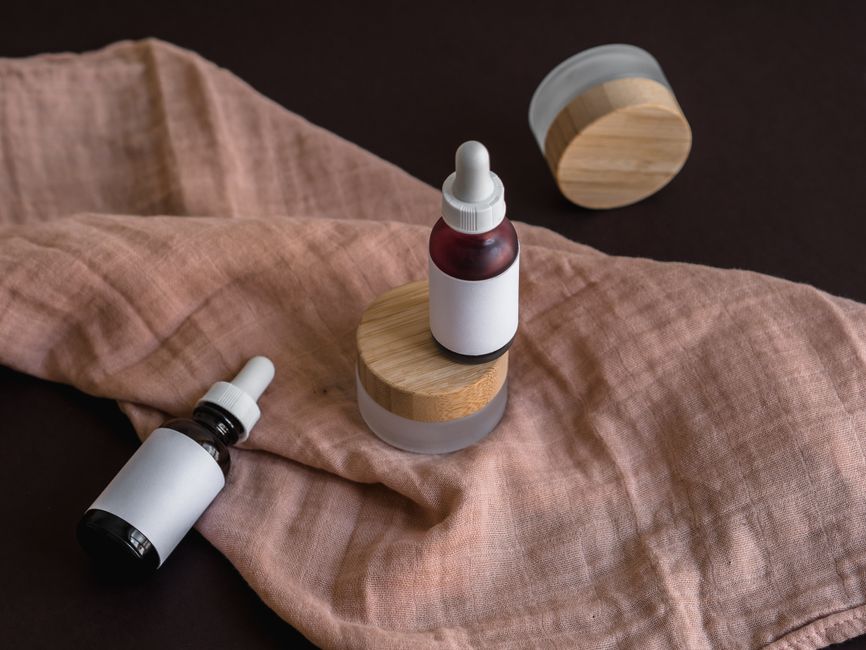
Your bathroom shelf holds a secret that the beauty industry has kept quiet for decades: most of your favorite skincare products are composed of 60 to 90 percent water. While this liquid base makes formulas feel familiar and lightweight, it is essentially a filler that dilutes the potency of your active ingredients. As global interest in sustainability and high-performance results converges, a major shift is underway. The rise of waterless beauty is transforming the skincare landscape, moving away from diluted liquids toward concentrated tablets, powders, and anhydrous balms that promise more efficacy with a significantly smaller environmental footprint.
The Evolution of Skincare: Why Waterless is Winning

The traditional beauty model has long relied on water as the primary solvent for formulations. However, this reliance creates a cycle of inefficiency. When a product is mostly water, it requires bulky packaging to contain the volume and heavy shipping to move the weight, leading to higher carbon emissions. Furthermore, because water creates a breeding ground for bacteria, brands are forced to add antimicrobial preservatives like parabens or phenoxyethanol, which can trigger skin sensitivities and contribute to chemical waste in our water systems.
Waterless beauty flips this model by removing the filler entirely. By focusing on anhydrous (water-free) formulations, brands are now able to provide consumers with pure, concentrated active ingredients. Whether through freeze-dried serum tablets or concentrated cleansing powders, these products offer a more potent experience. When you apply a waterless formula, you are not paying for the water you already have in your tap; you are paying for the concentrated science that actually changes the skin.
Advanced Technology in Anhydrous Formulations
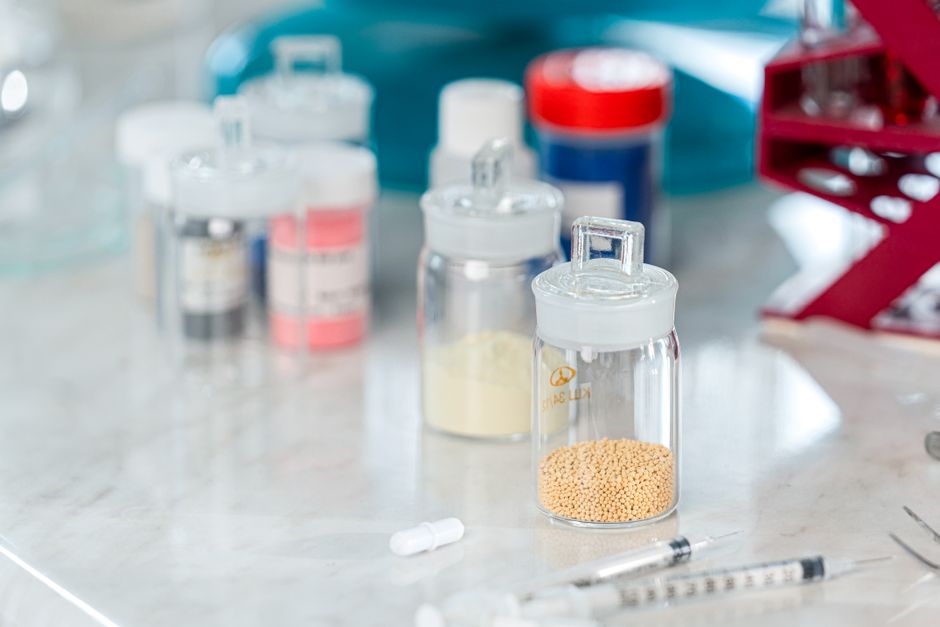
The transition to waterless skincare is not just about removing a solvent; it is about embracing sophisticated biotechnology. One of the most exciting developments in this space is the use of lyophilization, or freeze-drying. This process removes water under low pressure, which allows thermally sensitive ingredients—such as peptides, retinoids, and antioxidants—to remain stable and potent for years without the need for harsh preservatives.
Beyond freeze-drying, the industry is exploring innovative sustainable sources. For instance, companies are now utilizing forest industry side streams, such as SpruceSugar and SpruceLigno, to create high-value materials that benefit skin health and provide protective UV-boosting properties. By repurposing these materials, the beauty industry is closing the loop, turning what would be waste into high-performance skincare solutions.
Traditional Beauty vs. Waterless Beauty
To understand the magnitude of this shift, it is helpful to compare the core mechanics of traditional versus waterless products. The following table highlights why the industry is moving toward these concentrated alternatives.
| Feature | Traditional Beauty Products | Waterless Beauty Products |
|---|---|---|
| Water Content | 60% to 90% water as a base | Zero added water; anhydrous base |
| Preservatives | High levels required for stability | Minimal or none needed |
| Active Concentration | Diluted; lower potency per gram | Highly concentrated; higher efficacy |
| Packaging Waste | Heavy, large plastic containers | Minimal, lightweight, often recyclable |
| Carbon Footprint | High (due to weight of water) | Low (compact and lightweight) |
The Consumer Experience: How to Use Concentrated Tablets
One of the most common questions regarding waterless skincare is how it fits into a daily routine. The process is designed to be both simple and tactile. For example, with freeze-dried serum tablets, the consumer takes a single-dose tablet, adds a few drops of water, and mixes it in the palm of their hand. Within seconds, the tablet dissolves into a fresh, potent serum ready for application.
This method of “on-demand” activation ensures that the actives are at their peak freshness the moment they touch your skin. Because the product is activated by the user, the need for chemical stabilizers is eliminated. This not only increases the performance of the product but also offers a level of customization; if you prefer a thicker or thinner consistency, you can adjust the amount of water added to your tablet or powder.
The Future of the Market
The market for waterless beauty is expanding rapidly, with forecasts suggesting a valuation of nearly $20 billion by 2032. This growth is driven by a conscious consumer base that is increasingly aware of the environmental cost of their beauty regimen. As technology improves, we can expect to see this trend expand beyond facial serums and into hair care—where concentrated shampoo bars and powdered treatments are already gaining traction—as well as body care.
The next frontier for the industry is the optimization of delivery systems. Brands are currently researching how to create controlled-release mechanisms that allow these concentrated actives to penetrate the skin more effectively. As these technologies mature, beauty products will become more precise, more sustainable, and significantly more effective than their water-heavy predecessors.
Frequently Asked Questions
Why is waterless skincare better?
Waterless skincare is considered superior because it eliminates the need for water as a filler, allowing for much higher concentrations of active ingredients. By removing water, brands can avoid using harsh preservatives, resulting in a product that is often gentler on sensitive skin while being significantly more potent and environmentally friendly.
What is the next big thing in skincare?
The next big thing is the integration of biotechnology and sustainable, resource-efficient delivery systems. This includes freeze-dried, single-dose serums and high-performance powders that provide superior efficacy while minimizing the environmental impact of shipping and plastic waste.
What is the biggest problem for the beauty industry?
The biggest problem is the reliance on water-based formulations that require excessive, non-recyclable packaging and heavy transportation, leading to a massive carbon footprint. Additionally, the industry produces roughly 70 billion units of packaging annually, much of which is used to hold diluted formulas that could be replaced by concentrated, water-free alternatives.
Why is Gen Z so obsessed with skincare?
Gen Z is highly focused on skincare due to a combination of digital education, a preference for ingredient transparency, and a strong commitment to environmental ethics. They view skincare not just as a vanity project, but as a form of self-care that aligns with their personal values regarding sustainability and the avoidance of “filler” ingredients.
Conclusion
The shift toward waterless beauty is far more than a passing trend; it is a necessary evolution of the beauty industry. By stripping away the water that has long served as a crutch for product formulation, brands are unlocking new levels of efficacy and sustainability. As consumers continue to demand products that are both better for their skin and better for the planet, the move toward concentrated, anhydrous skincare will undoubtedly define the future of the market. Whether you are looking for a more potent serum or simply wanting to reduce your plastic consumption, the waterless revolution offers a smarter, more effective way to care for your skin.