
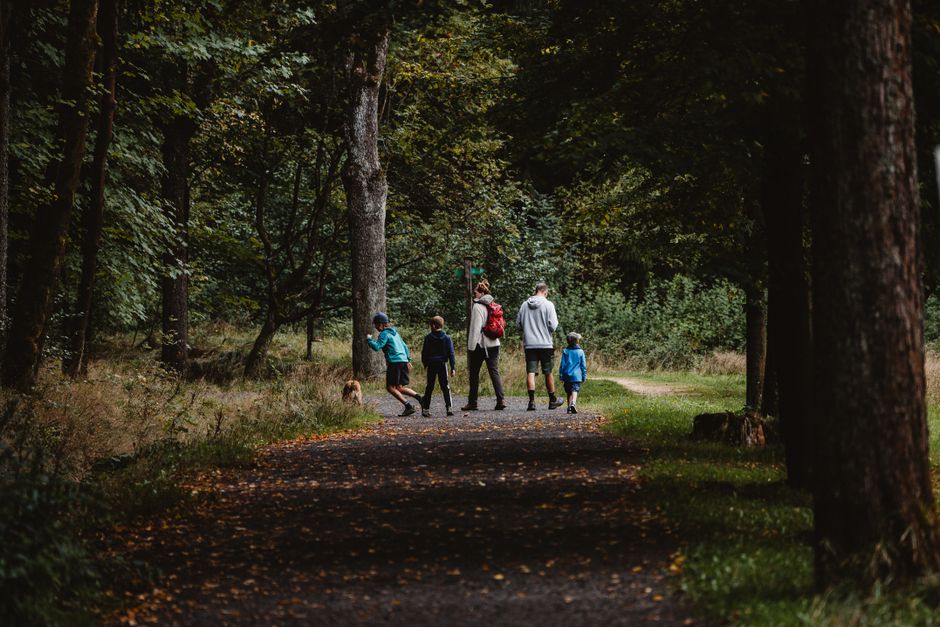
The concept of the microadventure, popularized by adventurer Alastair Humphreys, is traditionally framed as an excursion that is short, simple, and local. When applied to family life, this philosophy becomes a powerful tool for parents. Instead of viewing travel as a logistical mountain to climb, microadventures invite us to embrace the “slow-paced” approach, where the joy of discovery outweighs the need to reach a specific destination. For parents of toddlers, these bite-sized escapes provide a low-stress way to introduce kids to the outdoors, fostering a sense of curiosity without the burnout often associated with long-haul trips.
The Philosophy of Low-Impact Family Escapes
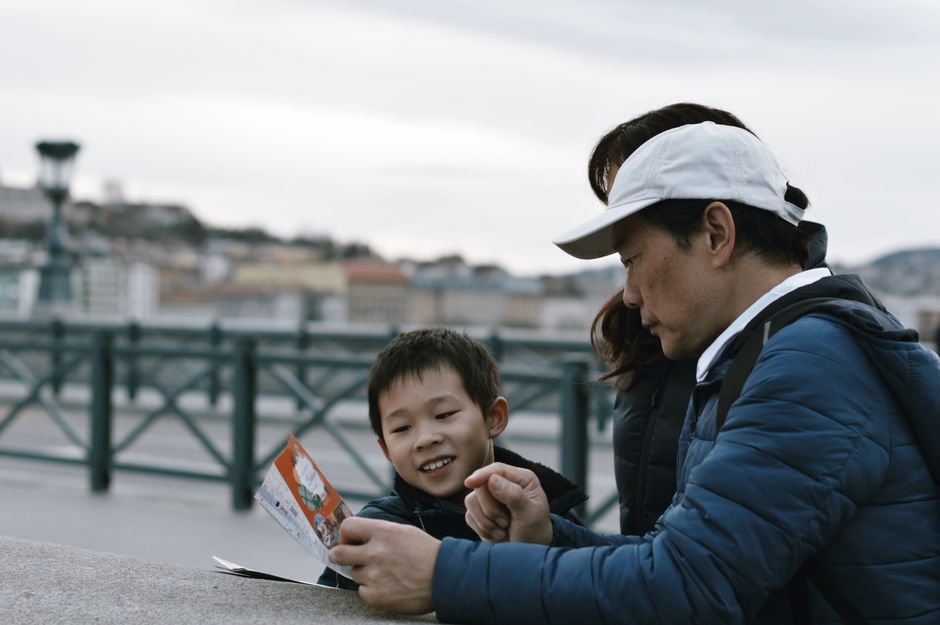
Planning for a family outing with a toddler does not require a cross-country flight or a massive budget. In fact, the best adventures often happen within a thirty-mile radius of your home. By prioritizing local parks, forest trails, or even a backyard campout, you minimize your environmental footprint and reduce the sensory overload that can overwhelm a young child. The goal is to strip away the complexity of modern travel and focus on the core elements of exploration: nature, movement, and presence.
Designing the Perfect Microadventure
Successful microadventures for kids require a shift in perspective. When traveling with a 2 year old or a 3 year old, the journey is not just the path to the destination; the journey is the activity. A walk to a local creek where a toddler can spend forty minutes throwing pebbles into the water is a complete, successful adventure. To keep planning minimal, focus on a “gear-minimalist” approach. Rather than packing for every hypothetical emergency, stick to the essentials: weather-appropriate clothing, a reliable carrier, and high-energy snacks. By keeping the barrier to entry low, you are more likely to actually get out the door on a Saturday morning.
Logistics: Mastering the Transition from Home to Trail
While local trips are the gold standard for microadventures, there are times when family plans require longer travel. The anxiety surrounding transit—whether it is the prospect of travel with a toddler airplane experience or a long road trip—is often the biggest hurdle for parents. The key to reducing this stress is standardizing your gear and routines.
Managing Travel Gear
When you do venture further afield, the right equipment makes all the difference. If you are flying, knowing how to travel with a toddler car seat is essential. Many parents opt for a lightweight, FAA-approved travel car seat that is easier to navigate through security lines. When you arrive at your destination, having a portable, familiar sleep environment is crucial. A high-quality toddler travel bed can make the difference between a rested child and a meltdown, providing a sense of security in an unfamiliar hotel or rental space.
The Art of the Road Trip
For those driving, the focus should be on comfort and accessibility. Ensure your travel car seat is properly installed well before your departure date. When traveling with a 3 year old, involve them in the process by letting them pack a small bag of their favorite books or figures. This sense of agency helps mitigate the frustration of being confined to a vehicle.
Essential Tips for Stress-Free Outings
Preparation is the backbone of any successful family trip. However, over-planning can be just as detrimental as under-planning. Focus on these three pillars to keep your weekend escapes manageable and enjoyable.
- The Snack Strategy: Never underestimate the power of a well-timed snack. Pack foods that are easy to eat on the go and provide sustained energy, such as fruit slices, cheese sticks, or granola bars.
- Follow the Toddler Rhythm: Respect nap times and meal times. An adventure scheduled during a toddler’s natural cranky window is destined to be difficult. Plan your outings for the morning when energy levels are highest.
- Layered Clothing: Even in mild weather, toddlers are sensitive to temperature changes. Dress them in layers so you can easily adjust based on their activity level and the changing sun or breeze.
FAQ: Common Questions About Toddler Travel
What is the 3-3-3 rule for toddlers?
The 3-3-3 rule is a popular guideline for road trips to keep travel manageable. It suggests that you drive for no more than 3 hours per day, stop for a break at least every 3 hours, and arrive at your destination by 3:00 PM. This structure ensures that toddlers have time to stretch their legs and settle into a new environment before the sun goes down, preventing the exhaustion that leads to evening tantrums.
What is the hardest age to travel with a toddler?
While every child is different, many parents find the 18-month to 2-year window to be the most challenging. At this age, children are highly mobile, possess a strong desire for independence, yet lack the communication skills to express their needs clearly. Traveling with a 2 year old often requires constant supervision and patience, as they are likely to resist being contained in a car seat or stroller for extended periods.
What is the 7-7-7 rule for parenting toddlers?
The 7-7-7 rule is a framework for maintaining work-life and family balance. It suggests that once a week, you should go on a date with your partner; once a month, you should go away for a weekend; and once a year, you should go away for a week-long vacation. When adapted for microadventures, it serves as a reminder to prioritize these small, consistent escapes to keep the family unit refreshed and connected.
What are some ideas for microadventures?
Ideas for microadventures are limited only by your imagination. Try a sunrise walk in a local park, a backyard picnic under a tent, exploring a nearby botanical garden, visiting a local farm to see animals, or even taking a short train ride to a neighboring town for ice cream. The goal is to break the routine of the household and expose the child to new sights, smells, and textures in a low-stakes environment.
Conclusion
The beauty of the microadventure lies in its accessibility. By scaling down our expectations and focusing on the immediate joy of the present moment, we can transform a standard weekend into a memorable experience for our children. Whether you are navigating the complexities of travel with a toddler airplane journey or simply taking a walk through a local nature preserve, the goal remains the same: to foster a love of exploration. By keeping your planning simple, your gear minimalist, and your pace slow, you provide your children with the most valuable gift of all—the realization that adventure is not a destination, but a way of engaging with the world around them.