
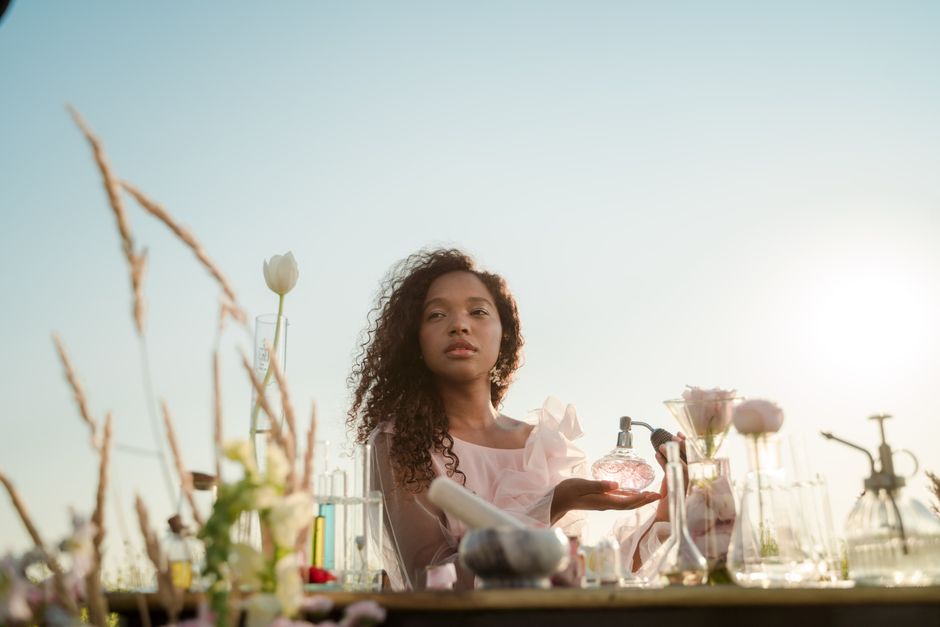
The fragrance industry is undergoing a profound transformation, shifting from traditional botanical harvesting toward the precision of biotechnology. As the rise of lab-grown fragrance sustainability meets sensory science, consumers and perfumers alike are finding themselves at a crossroads where ancient artistry meets modern innovation. By utilizing yeast and bacteria fermentation to synthesize aromatic molecules, companies are now creating scents that are chemically indistinguishable from their natural counterparts. This evolution is not merely a technical triumph; it is a fundamental rethinking of how we source, create, and experience the world of perfume.
The Science Behind the Scent: How Biotech Recreates Nature
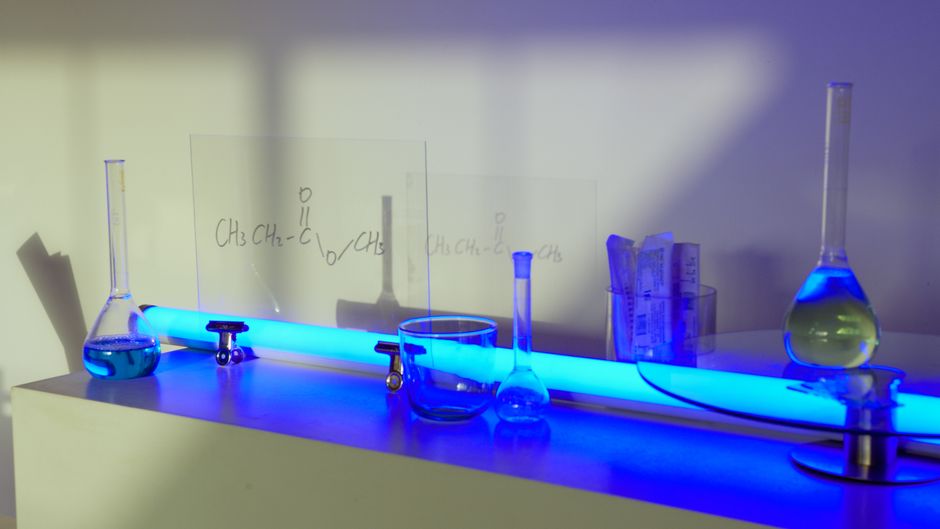
At the heart of this innovation is the ability to replicate the complex molecular structures found in nature without the ecological footprint of large-scale agriculture. Research about perfume development has traditionally focused on extraction methods like steam distillation or solvent extraction, which often require vast amounts of raw materials. In contrast, lab-grown fragrance relies on synthetic biology, where microorganisms are programmed to produce specific aromatic compounds through fermentation. This process allows scientists to isolate the exact scent profile of a rare flower or a protected wood species and scale its production in a controlled environment.
Precision and Consistency in Fragrance Design
One of the primary advantages of biotech-derived ingredients is their unmatched consistency. In nature, the aromatic profile of a plant can fluctuate based on soil quality, weather patterns, and harvest timing. By shifting to lab-grown production, perfumers gain access to molecules that are stable and identical every time they are produced. This precision is a game-changer for the luxury market, where the integrity of a signature scent must remain constant across global production cycles. These molecules are not merely synthetic imitations; they are nature-identical, offering the same sensory experience as traditional ingredients while providing a more reliable foundation for complex formulations.
Navigating Sustainable Supply Chain Management in the Perfume Industry: Challenges and Solutions
The transition to biotech-based sourcing is a strategic move to address the environmental challenges inherent in the traditional fragrance supply chain. Navigating sustainable supply chain management in the perfume industry requires a multifaceted approach, balancing the need for ethical sourcing with the demand for high-end luxury products. The current challenges are significant, ranging from the over-harvesting of rare botanicals to the high water and land usage required for traditional ingredient farming.
Mitigating Environmental Impact
The implementation of bio-based ingredients offers a clear solution to these systemic issues. By moving the production process into a laboratory, brands can drastically reduce their reliance on land-intensive crops. This shift directly supports ESG (Environmental, Social, and Governance) goals, which are becoming increasingly central to the strategy of major luxury houses. The following table outlines the key differences between traditional and biotech-derived ingredient sourcing.
| Feature | Traditional Extraction | Biotech/Lab-Grown |
|---|---|---|
| Resource Intensity | High (Land, Water, Fertilizer) | Low (Fermentation Tanks) |
| Consistency | Variable (Seasonal/Climate dependent) | High (Precision-controlled) |
| Environmental Impact | Potential for habitat loss/depletion | Minimal (Renewable feedstock) |
| Supply Chain Stability | Subject to harvest volatility | Highly stable and scalable |
A Study on Consumer Perception Towards Perfumes
As the market shifts, understanding the human element is crucial. A study on consumer perception towards perfumes reveals a growing appetite for transparency and sustainability. Modern shoppers are no longer satisfied with a beautiful bottle and a compelling marketing narrative; they want to know the story behind the ingredients. There is a perceptible trend where consumers are actively seeking brands that prioritize ethical sourcing and low-impact production methods. However, the term “lab-grown” can sometimes trigger skepticism. The challenge for the industry lies in bridging the gap between scientific advancement and the emotional, often romanticized, connection that people have with their favorite fragrances.
The Role of Sensory Science in Market Acceptance
Sensory science plays a pivotal role in overcoming this skepticism. By rigorously testing how these new molecules perform on the skin—their longevity, sillage, and evolution—researchers are proving that biotech scents can match, and often exceed, the performance of traditional extracts. When consumers experience a fragrance that is both sustainable and superior in its sensory profile, the narrative shifts from “artificial” to “innovative.” The future of the industry depends on this marriage of technical performance and consumer trust.
Frequently Asked Questions
What is the meaning of lab-grown fragrance in the context of sustainability?
The meaning of lab-grown fragrance refers to the use of fermentation and synthetic biology to create identical aromatic molecules. It promotes sustainability by drastically reducing the need for land, water, and traditional harvesting, thereby protecting biodiversity and lowering the carbon footprint of the fragrance industry.
Are lab-grown fragrances truly the same as natural fragrances?
Yes, from a chemical perspective, they are identical. These are known as nature-identical molecules. Because they are structurally the same as the molecules found in nature, the human olfactory system perceives them as the same scent, while benefiting from the purity and consistency of a lab-controlled process.
Where are these fragrances being used today?
Lab-grown fragrances are currently being integrated into both luxury and mass-market lines. Major fragrance houses and boutique brands alike are incorporating these molecules into their portfolios, particularly when it comes to replacing endangered or unsustainable ingredients like sandalwood, agarwood, and various animal-derived musks.
Will traditional perfumery disappear?
It is unlikely that traditional perfumery will disappear entirely. Instead, the industry is moving toward a hybrid model. Perfumers are increasingly using a palette that combines the best of natural extracts—where they are sustainable and ethical—with the precision and consistency of biotech-derived ingredients to create more complex and responsible fragrances.
Conclusion
The rise of lab-grown fragrance marks a pivotal moment for the beauty industry, where the boundaries of sensory science are being pushed to protect our planet. As we look toward the future, the integration of biotechnology into the perfume supply chain represents a necessary evolution rather than a temporary trend. By embracing these sustainable innovations, the industry is proving that luxury and responsibility are not mutually exclusive. As research continues to advance, the ability to create exquisite scents without compromising the environment will redefine the standards of the fragrance world. For the consumer, this means a future where the scents we wear are not only evocative and beautiful but also rooted in the thoughtful application of science for a more sustainable world.