
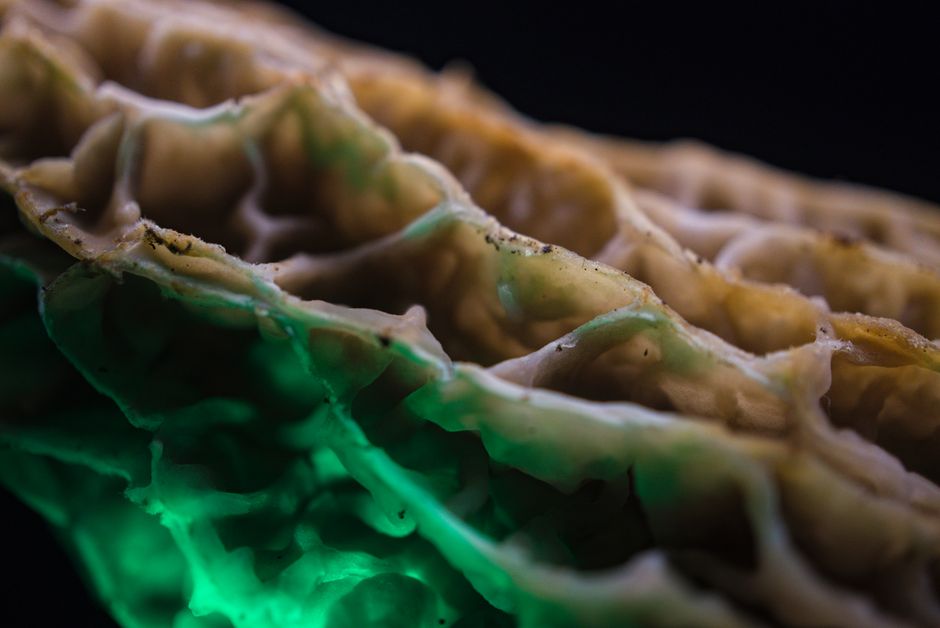
The intersection of biology and design is no longer a futuristic concept found only in science fiction; it is currently taking root in living rooms and design studios across the globe. As the global shift toward circular economies gains momentum, architects and interior designers are turning their attention to mycotecture—the practice of using fungal mycelium to create structural and decorative elements. By moving away from resource-intensive plastics and non-recyclable synthetics, this new wave of sustainable design offers a glimpse into a future where our homes are not just built, but grown.
The Science of Fungal Fabrication
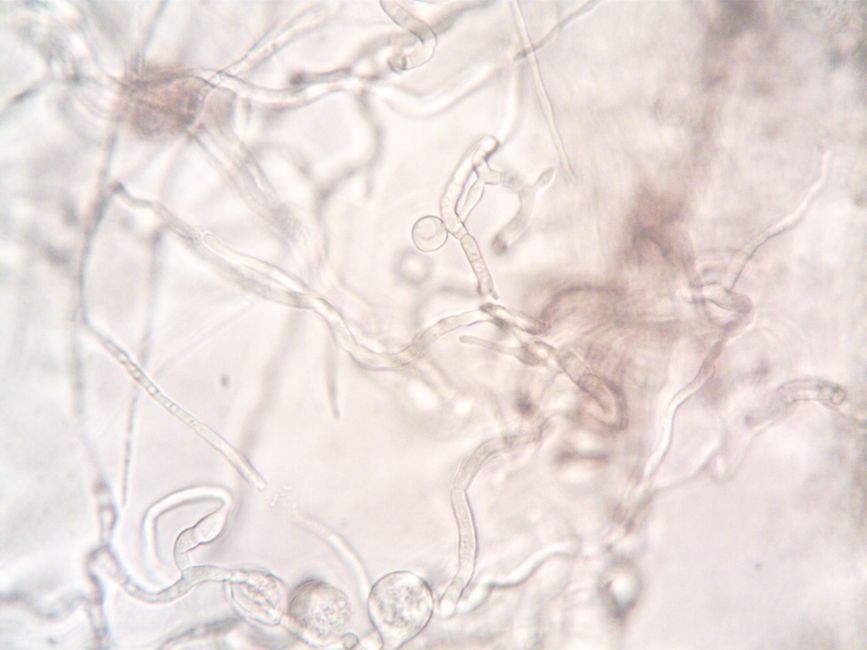
At the heart of this movement is mycelium, the vegetative root structure of fungi. Mycelium acts as a natural adhesive, spreading through organic waste—such as hemp hurds, corn stalks, or wood chips—to form a dense, durable network. When introduced into a mold, this living organism digests the substrate and binds it into a solid, lightweight material that can be manipulated into nearly any shape.
The process of growing these materials is inherently regenerative. Unlike traditional manufacturing, which often requires significant energy consumption and raw material extraction, mycelium-based production utilizes agricultural byproducts that would otherwise go to waste. Once the desired shape is achieved, the growth process is halted through dehydration or heat. This simple act of baking the material in an oven serves two purposes: it ensures the structural integrity of the piece, giving it a finish reminiscent of plaster or soft wood, and it prevents further biological activity, ensuring the item is shelf-stable and safe for home use.
Bringing Mycotecture into Your Living Space

For those interested in exploring this trend, companies like Ecovative Design have democratized the technology, allowing consumers to participate in the manufacturing process. The Grow-It-Yourself (GIY) movement allows design enthusiasts to experiment with mycelium without needing a laboratory. Kits for items such as pendant lamps or succulent planters provide the raw substrate, the tools, and the instructions necessary to cultivate custom decor in roughly one week.
The Aesthetic of Growth
Beyond its environmental credentials, mycotecture offers a unique aesthetic. The material has a tactile, organic quality that bridges the gap between industrial design and natural form. Whether it is the soft, diffuse glow of a MushLume pendant lamp or the earthy, grounding presence of a mycelium planter, these items bring a sense of biophilic connection to modern interiors. Because each piece is grown rather than cast from a synthetic mold, there is a subtle variation in texture that celebrates the unpredictable beauty of nature.
A Lifecycle Measured in Compost
Perhaps the most compelling aspect of mycelium-based decor is its end-of-life scenario. In a traditional decor market, broken or outdated items often end up in landfills. Mycelium products, however, are fully biodegradable. When a homeowner decides it is time for a change, the item can be broken into pieces and tossed into a home compost bin. Within weeks, the material returns to the earth as nutrient-rich soil, completing a truly circular lifecycle.
From Decor to Structural Architecture
While lampshades and planters are the current entry point for most, the long-term potential for mycotecture is vast. Researchers are currently investigating how to scale this fungal technology for larger architectural applications. By utilizing the compressive strength of mycelium, it is becoming possible to envision insulation panels, acoustic tiles, and even load-bearing bricks that are grown on-site. This approach could drastically reduce the carbon footprint of the construction industry, turning building sites into carbon-sequestering hubs.
| Feature | Traditional Decor | Mycelium Decor |
|---|---|---|
| Raw Material Source | Plastic, Metal, Synthetic Resin | Agricultural Waste, Fungal Mycelium |
| Manufacturing Method | Injection Molding, Machining | Biological Growth (In-mold) |
| End of Life | Landfill or Recycling | Home Composting |
| Aesthetic | Uniform, Synthetic | Organic, Tactile, Unique |
Frequently Asked Questions
How is mycelium used in architecture?
In architecture, mycelium is used as a structural or insulating material. By growing the fungus around a scaffold of agricultural waste, architects can create bricks, acoustic panels, and insulation boards. These materials are lightweight, fire-resistant, and possess excellent thermal properties, making them a high-performance, carbon-negative alternative to traditional building materials.
Can fungi grow on Mars?
The prospect of growing fungi on Mars is a serious topic of research for space agencies. Fungi are remarkably resilient and could potentially thrive in enclosed, controlled environments on other planets. Because they require minimal resources and can convert local Martian regolith or recycled waste into structural material, mycelium is considered a candidate for future off-world construction, allowing astronauts to grow their habitats rather than transporting heavy materials from Earth.
What is biomimetic architecture?
Biomimetic architecture is a design philosophy that seeks to emulate the strategies, forms, and processes found in nature to solve human problems. Instead of simply looking at nature for visual inspiration, biomimetic designers study how biological systems optimize energy, manage waste, and adapt to their environments, then apply those lessons to the built environment.
What do you call architecture inspired by nature?
While the terms are often used interchangeably, there are distinct nuances. Biomimetic architecture refers to design that mimics biological processes. Biophilic design refers to an approach that seeks to increase occupant connectivity to the natural environment through the use of direct nature, indirect nature, and space and place conditions. When the architecture is literally grown from biological organisms, it is often categorized as living or regenerative architecture, with mycotecture being a specific branch of this field.
Conclusion
The rise of mycotecture represents a fundamental shift in how we conceive of our living spaces. We are moving away from the era of extraction and toward an era of cultivation. By embracing the growing power of fungi, we can create decor that is as kind to the planet as it is visually captivating. Whether you are starting with a simple DIY planter or observing the development of large-scale, sustainable homes, it is clear that the future of design is being written in the threads of mycelium. As we continue to refine these bio-based methods, we move closer to a world where our built environment exists in harmony with the biological systems that sustain life on Earth.