
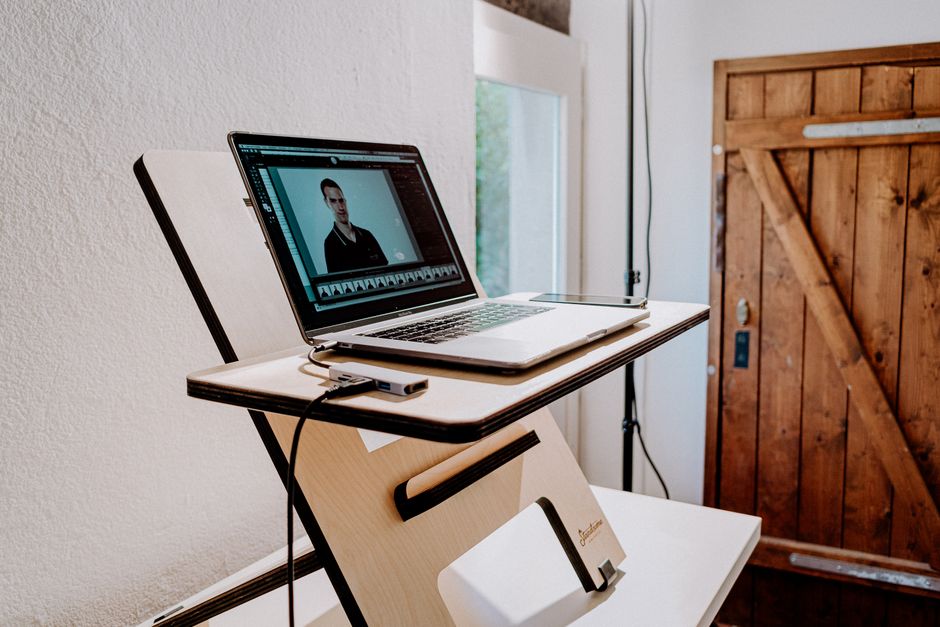
The rise of the global workforce has fundamentally altered the relationship between the professional and their living space. For the modern nomadic professional, the traditional concept of a permanent home is increasingly replaced by a series of transient, often compact, urban dwellings. This lifestyle shift requires a departure from the heavy, immobile furniture of the past. Instead, the focus has shifted toward high-quality, adaptable modular furniture that balances aesthetic elegance with the practical necessity of frequent relocation. Designing for this demographic is no longer a niche pursuit; it is a vital response to the realities of contemporary mobility, where every object owned must earn its place by being lightweight, durable, and effortlessly reconfigurable.
The Evolution of Nomadic Design

At the core of the nomadic movement is the desire for autonomy. Frequent movers face a common dilemma: the cost and physical toll of transporting oversized furniture often outweigh the value of the items themselves. Consequently, the design industry has pivoted to prioritize pieces that can be disassembled, transported in standard vehicles, and reassembled without specialized tools or professional labor. Brands like Hannabi, with their Urban Nomad sofa, have set a benchmark by creating systems that decompose into [functional](https://t10family.com/en/functional-fragrance-the-future-of-aromachology-in-fashion/) segments—transitioning from a full-sized couch to seating mats or beds depending on the needs of the floor plan.
This design philosophy extends beyond mere portability. It encompasses the longevity of the materials. Because nomadic furniture is subjected to repeated assembly cycles, the structural integrity of joints and fasteners is paramount. Designers are increasingly utilizing internal hardwood frames paired with high-tensile, resilient textiles that can withstand the rigors of transit while maintaining a sophisticated, domestic appearance. The goal is to provide a sense of stability in an otherwise unstable environment, proving that temporary living does not have to mean aesthetic compromise.
Key Principles of Modular Furniture for Movers
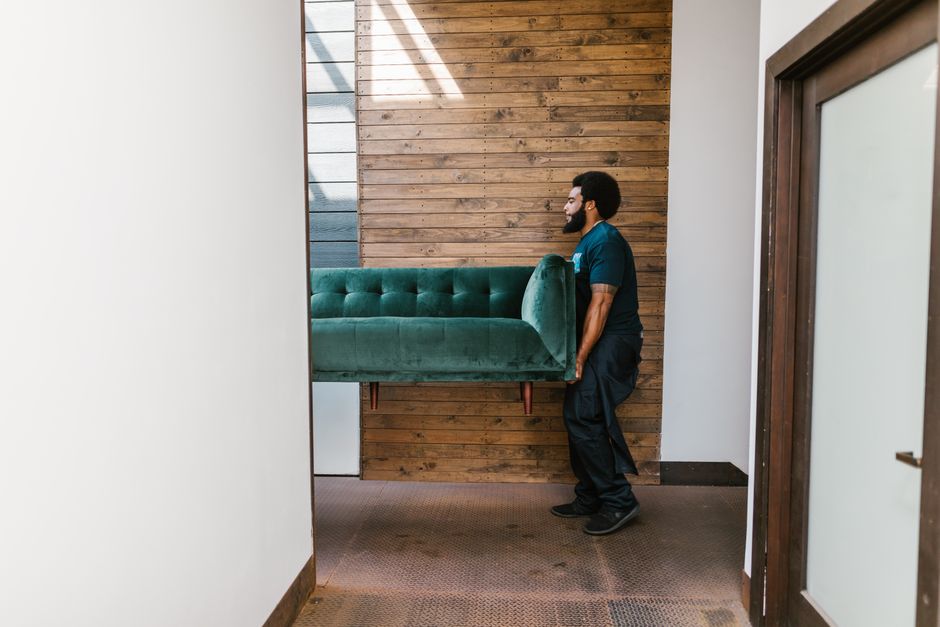
When curating a space that must be packed and unpacked, functionality must be the primary driver of design decisions. The most effective pieces are those that serve multiple purposes, effectively reducing the total number of items a professional needs to own. A desk that doubles as a dining surface, or a modular shelving unit that can shrink or expand to fit different wall lengths, represents the gold standard of this category.
Adaptability and Scale
The primary challenge for the frequent mover is the lack of consistency in room dimensions. A piece that fits perfectly in a studio apartment may be swallowed by a larger living room, or conversely, fail to fit in a narrow hallway. Modular systems address this by allowing users to add or subtract sections. This scalability ensures that your investment remains relevant regardless of your next lease agreement.
Ease of Assembly
Complexity is the enemy of the nomadic professional. The best modular furniture employs intuitive connection mechanisms, such as slide-and-lock systems or tool-free fasteners. When evaluating furniture, consider the “assembly tax”—the time and frustration required to set up the piece. If a system requires a team of experts or a complex array of proprietary screws, it is likely not suitable for a life in motion.
Curating the Nomadic Home
Investing in high-quality modular furniture is an exercise in long-term planning. While budget-friendly flat-pack options exist, they rarely survive more than one or two moves. The nomadic professional benefits more from pieces that are designed for modularity at the structural level. Look for items that are lightweight enough to be carried by one or two people but robust enough to hold up under daily use for years.
| Feature | Traditional Furniture | Nomadic Modular Furniture |
|---|---|---|
| Assembly | Often permanent/fixed | Tool-free/Intuitive |
| Portability | Requires professional movers | Transportable in a standard car |
| Flexibility | Static form factor | Reconfigurable to room size |
| Durability | High (but rigid) | High (designed for disassembly) |
Frequently Asked Questions
What is the 2/3 rule for sofas?
The 2/3 rule is a fundamental interior design guideline used to ensure visual balance. It suggests that a sofa should occupy approximately two-thirds of the total length of the wall against which it is placed. In the context of modular furniture, this rule is particularly useful because it allows you to determine how many modules you need to purchase to create a balanced look without overwhelming a small space.
What is modular furniture in interior design?
Modular furniture refers to pieces made up of individual, standalone units that can be combined or rearranged in various configurations. In interior design, this allows for a high degree of customization, enabling the user to tailor the functionality and footprint of the furniture to the specific layout and requirements of their current living situation.
What kind of couch is modular and can be moved around?
A modular couch for nomadic living is typically comprised of independent, lightweight segments that connect via secure, easy-to-release brackets. These couches are designed so that the backrests, armrests, and seat cushions can be separated. This allows the owner to break the couch down into smaller, manageable boxes, making it significantly easier to navigate through tight stairwells, hallways, and elevators during a move.
What is the best couch that is easy to move?
The best couch for a mobile lifestyle is one that prioritizes a lightweight frame and a modular design. Look for brands that explicitly market their products as “move-ready” or “modular.” These couches often feature high-density foam and lightweight timber or metal frames. Brands that offer “burrow” style assembly—where modules lock together without tools—are generally considered the easiest to move, as they eliminate the need for complicated hardware that can be lost or stripped during frequent relocations.
Conclusion
The nomadic professional requires a living environment that is as agile as their career path. By choosing modular furniture that prioritizes structural durability, ease of assembly, and multi-functional capability, one can create a home that feels both permanent and portable. As designers continue to innovate, the barrier between “temporary” and “high-end” design is dissolving, proving that you do not need to sacrifice comfort or style for the sake of mobility. Whether you are moving across the city or across the globe, the right furniture acts as a consistent anchor, providing the stability needed to thrive in an increasingly mobile world.