
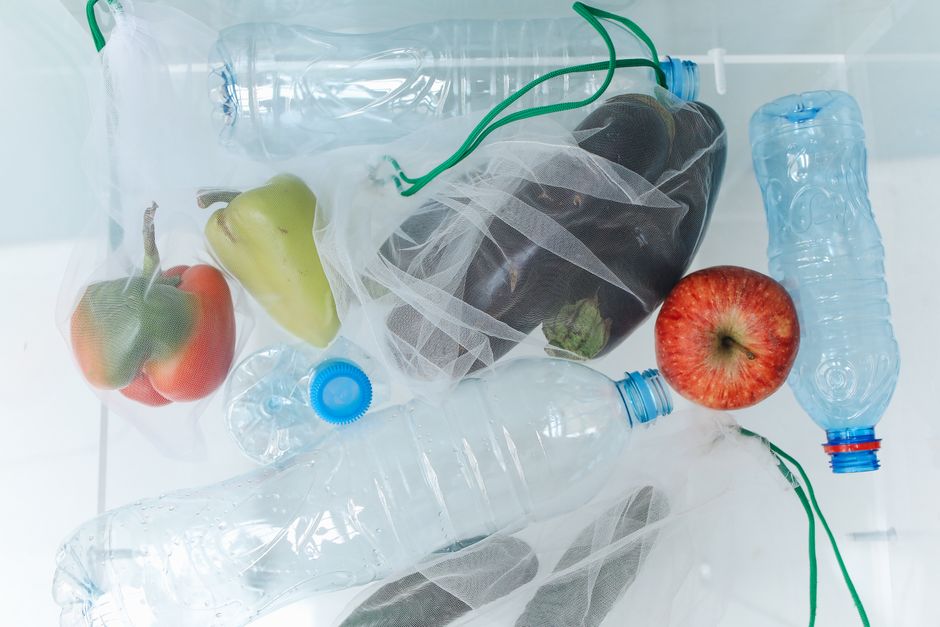
The modern culinary space often suffers from a disconnect between what we buy and what we actually consume. In a world of bulk shopping and impulse purchases, the kitchen frequently becomes a graveyard for forgotten ingredients and expired goods. The “Kitchen Library” concept offers a transformative approach to this problem, reimagining your pantry, fridge, and storage areas not as mere cupboards, but as a curated collection of resources. By treating your ingredients with the same organizational rigor as a librarian treats a reference section, you can drastically reduce waste and streamline your culinary workflow, moving toward a truly sustainable [zero waste](https://t10family.com/en/zero-waste-fermentation-transform-kitchen-scraps-into-flavor/) kitchen.
The Philosophy of the Kitchen Library

At its core, the Kitchen Library concept is built on the principle of visibility. When ingredients are hidden in the back of deep cabinets or obscured by opaque packaging, they become invisible to the cook, leading to duplicate purchases and eventual spoilage. By transitioning to a library-style system, you treat every item as an asset that must be accounted for and utilized before its expiration date. This mindset shift is the foundation of effective zero waste cooking, where the goal is to maximize the utility of every item that enters your home.
Zoning for Success: The Golden Zone
Professional kitchen design relies on the concept of the Golden Zone—the space between your waist and shoulder height. Ergonomic kitchen planning suggests that items used most frequently should occupy this prime real estate. By placing your most-used pantry staples—such as grains, legumes, and oils—within this zone, you minimize the time these ingredients spend outside of climate-controlled environments. This not only improves your workflow but also prevents the degradation of quality that occurs when ingredients are left on counters or moved unnecessarily. When your kitchen is organized by frequency of use, you are less likely to misplace items or let them languish in dark corners.
Implementing Modular Storage Systems
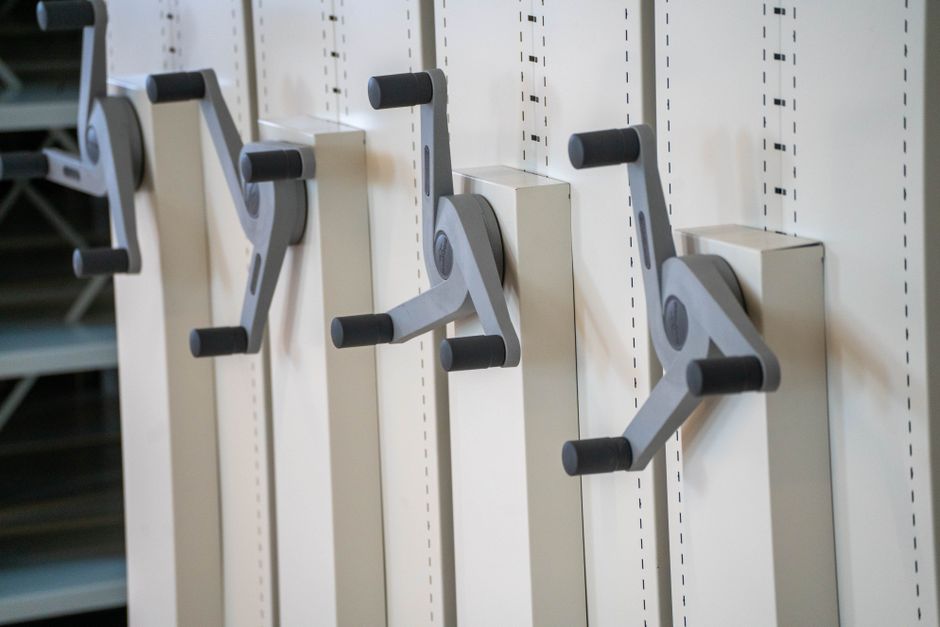
One of the most effective ways to combat food waste is to standardize your storage. Research from the Zero-Waste Culinary Research Institute indicates that implementing modular storage systems can reduce food waste by an average of 20-30 percent. When you use uniform, clear, airtight containers, you create a visual inventory that allows you to assess your stock at a glance. This consistency eliminates the “visual noise” of branded packaging, which often hides how much of a product remains.
The Benefits of Standardized Containers
Standardized glass or airtight containers serve several functions in a zero waste kitchen:
- Inventory Tracking: Clear containers make it obvious when you are running low on a staple, preventing unnecessary duplicate purchases.
- Pest Prevention: Airtight seals protect dry goods from humidity and pests, extending the shelf life of your ingredients.
- Stackability: Modular shapes allow for vertical stacking, which maximizes shelf space and keeps the pantry organized.
- Portion Control: Seeing exactly how much of an ingredient you have left naturally encourages more intentional cooking and recipe planning.
The Economics of Inventory Management
A kitchen library is not just about aesthetics; it is an exercise in resource management. By maintaining a clear inventory, you transition from a reactive style of cooking—where you buy ingredients based on what you think you need—to a proactive style, where you cook based on what you have. This transition is essential for minimizing waste. When you know exactly what is in your library, you can plan your weekly meals around existing stock, ensuring that perishables are used before they reach their end-of-life.
Strategies for Curating Your Pantry
Treat your pantry like a living collection. Periodically audit your shelves, moving items that are nearing their expiration date to the front of the Golden Zone. This “first-in, first-out” (FIFO) method is a staple of professional kitchens and is equally effective in a home environment. By labeling your containers with the date of purchase or the expiration date, you remove the guesswork and empower yourself to make informed decisions about your next meal.
FAQ: Mastering the Zero Waste Kitchen
What are the 5 R’s of zero-waste?
The 5 R’s provide a framework for reducing your environmental footprint. They are: Refuse (saying no to unnecessary items), Reduce (buying only what you need), Reuse (finding new purposes for items or using reusables), Recycle (properly disposing of what cannot be reused), and Rot (composting organic waste). In a kitchen, this means refusing excess packaging, reducing food spoilage through better organization, reusing jars for storage, recycling glass or metal containers, and composting peels and scraps.
What are some examples of zero-waste kitchen items?
Zero-waste kitchen items focus on longevity and eliminating disposables. Examples include stainless steel or glass food storage containers, beeswax wraps instead of plastic cling film, silicone baking mats, cloth napkins and towels instead of paper products, and reusable produce bags for bulk shopping. Investing in high-quality, durable kitchen tools—like a cast-iron skillet or a stainless steel Dutch oven—also contributes to a zero waste lifestyle by reducing the need for replacements.
How does a kitchen’s space and work flow impact a menu?
A well-organized kitchen workflow directly informs your menu. When your space is cluttered or disorganized, you are more likely to resort to convenient, processed foods or takeout, which often come with significant packaging waste. Conversely, a clear, library-style layout allows you to see the potential in your ingredients. When you can easily access your staples, you are more likely to experiment with scratch cooking, which is the cornerstone of zero waste cooking. Your physical environment sets the boundaries for what you can create; a streamlined kitchen makes complex, sustainable cooking feel effortless.
What are some ideas for zero-waste cooking?
Zero-waste cooking is about maximizing the value of every ingredient. Ideas include: making vegetable stock from onion skins, carrot tops, and celery ends; turning stale bread into breadcrumbs or croutons; using fruit peels to infuse vinegars or simple syrups; and incorporating “ugly” produce into soups, stews, or sauces. Furthermore, embracing batch cooking allows you to utilize bulk ingredients efficiently, ensuring that you don’t have half-empty bags of grains or legumes sitting in your pantry for months.
Conclusion
Adopting the Kitchen Library concept is a sustainable commitment to better culinary practices. By prioritizing visibility, standardizing your storage, and organizing your space around the Golden Zone, you create a kitchen that works for you rather than against you. Reducing waste is not about deprivation; it is about appreciation—appreciating the ingredients you purchase and the effort required to produce them. As you curate your kitchen library, you will find that a more organized space leads to more creative, economical, and delicious meals, ultimately helping you reach your goal of a zero waste kitchen. Start small, organize one shelf at a time, and watch how a structured approach changes your relationship with the food you eat.