
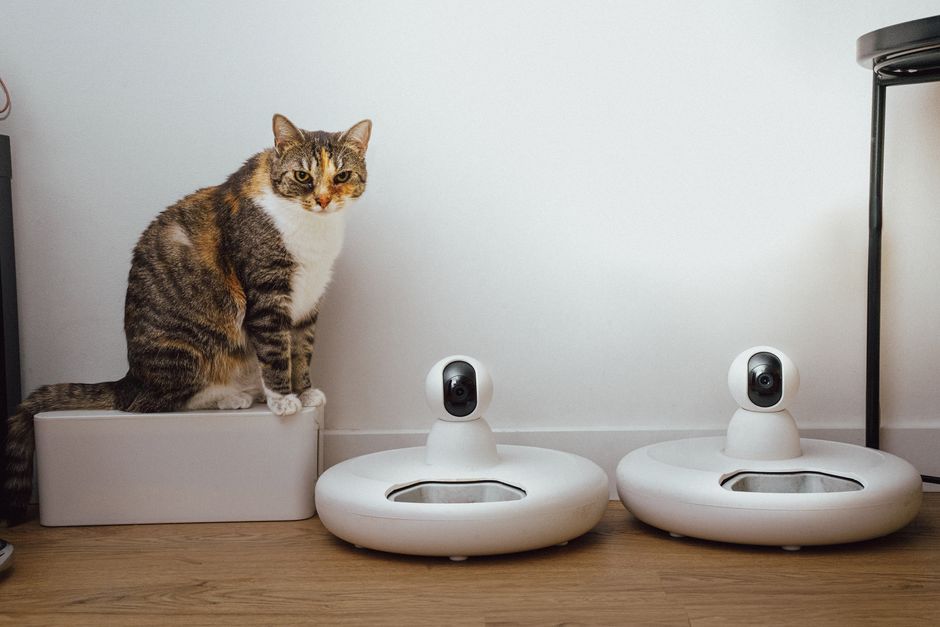
The landscape of modern pet care is undergoing a significant transformation, driven by the convergence of digital connectivity and a deeper understanding of animal wellness. As pet humanization continues to reshape the bond between animals and their families, the demand for precision has moved beyond simple convenience. We are currently witnessing [the rise of](https://t10family.com/en/the-rise-of-micro-schooling-a-new-era-in-modern-education/) smart-snacking and automated nutrition tracking, a sophisticated evolution in pet care products that promises to bridge the gap between sedentary lifestyles and optimal health. With nearly 50 percent of pets today classified as clinically overweight, the integration of technology into daily feeding routines is no longer just a luxury—it is becoming a vital component of preventative veterinary health.
The Evolution of Feeding: Beyond Convenience
For years, the primary goal of automated feeding was simple: convenience. Early devices focused on dispensing a set amount of kibble at a specific time, allowing busy owners to maintain a schedule even when away from home. However, the current generation of smart feeders represents a paradigm shift. These devices are increasingly designed as part of a holistic ecosystem that synchronizes with health trackers, sleep monitors, and activity sensors to provide a comprehensive picture of a pet’s physiological needs.
The market for these innovations is expanding rapidly, with projections suggesting the global smart pet feeder market will grow from 1.74 billion dollars in 2025 to over 5 billion dollars by 2034. This growth is fueled by a tech-savvy generation of pet parents who demand actionable data regarding their pets’ caloric intake, metabolic rate, and overall vitality.
Dynamic Caloric Adjustment
The most groundbreaking development in this space is dynamic caloric adjustment. In traditional settings, owners estimate portion sizes based on bag guidelines, which often fail to account for daily fluctuations in activity. If a dog has a highly active day at the park, their energy expenditure increases significantly compared to a rainy day spent indoors. Integrated systems now bridge this gap by pulling real-time data from activity monitors.
When a pet’s health tracker reports a spike in movement, the smart feeder can automatically adjust the next serving size to compensate for the additional calories burned. Conversely, if an activity monitor records a period of lethargy or decreased movement, the system can reduce portions to prevent unwanted weight gain. This automated precision removes the guesswork for owners and ensures that nutrition is always perfectly aligned with the pet’s actual energy requirements.
Advanced Features for the Modern Household
As competition in the pet tech sector intensifies, manufacturers are packing devices with features that address the specific challenges of multi-pet households and complex health requirements. These technological advancements are not merely gimmicks; they provide tangible solutions to long-standing problems in pet management.
Microchip Technology and Multi-Pet Households
One of the most persistent issues for households with more than one animal is food theft. A dominant pet may consistently steal from a more passive companion, leading to weight issues for one and nutritional deficiencies for the other. Modern smart feeders now incorporate microchip or RFID technology to solve this. These units remain locked to all but the authorized pet, ensuring that each animal consumes only the nutrition intended for them. By comparing these individual feeder logs against expected intake, owners can immediately identify if a pet is displaying signs of illness, such as a sudden loss of appetite or a change in eating behavior.
Enhanced Monitoring and Veterinary Integration
The value of smart products extends well beyond the home. When it comes time for a routine check-up, owners often struggle to provide accurate information about their pet’s diet. Instead of relying on vague recall, such as “she seems to be eating less,” owners can now provide their veterinarians with precise, data-backed reports. These reports include daily intake graphs, feeding timestamps, and even video logs if the feeder includes an integrated camera. This data-driven approach allows veterinarians to diagnose issues earlier, monitor the efficacy of prescription diets, and make more informed decisions about a pet’s health trajectory.
The Market Outlook: Why Precision Matters
The rise of these devices is not merely a trend; it is a response to the increasing prevalence of obesity-related illnesses in pets. Excess weight in dogs and cats is linked to diabetes, joint disease, and reduced life expectancy. By utilizing automated systems that prioritize portion control, owners are taking proactive steps to extend the lives of their companions. The market is currently responding by diversifying product offerings, moving beyond dry kibble to include feeders compatible with wet and raw food diets, thereby catering to a wider range of nutritional philosophies.
As connectivity becomes standard in the home, the “smart” label is becoming synonymous with “responsible.” The data suggests that companies prioritizing research and development in health-tracking integration are the ones poised for long-term success. For the consumer, this means a future where the burden of manual tracking is removed, replaced by intelligent systems that act as a silent, vigilant partner in their pet’s health journey.
Frequently Asked Questions
Can smart feeders really help with weight loss?
Yes. By utilizing automated portion control, these devices eliminate the “human factor” of over-feeding or accidental double-feeding. When paired with activity tracking, the system can automatically adjust portions based on how many calories the pet has burned, creating a scientific and effective weight management plan that is difficult to maintain manually.
Are these devices safe for multiple pets?
Absolutely. Microchip-enabled smart feeders are specifically designed for multi-pet homes. By recognizing the unique identification of each pet, these feeders prevent food stealing and allow owners to track exactly how much each individual pet is eating, which is crucial for managing specific health needs or dietary restrictions.
Will my pet be able to figure out a smart feeder?
Most pets adapt very quickly to automated feeding schedules. In fact, many pets find comfort in the routine provided by smart feeders, as it creates a predictable environment. Most devices are designed with robust, chew-resistant materials to ensure that even the most persistent pets cannot access extra food outside of their scheduled times.
How does the data help my veterinarian?
Veterinarians rely on accurate history to provide the best care. Smart feeders provide objective, long-term data on eating patterns, frequency, and volume. This information can reveal subtle changes in behavior—such as a pet slowing down their rate of intake or skipping specific meals—that might indicate underlying medical issues before they become severe.
Conclusion
The rise of smart-snacking and automated nutrition tracking marks a new era in the way we care for our pets. By leveraging the power of connected technology, owners are no longer just feeding their companions; they are managing their health with unprecedented precision. From dynamic caloric adjustments that adapt to a pet’s daily movement to microchip-enabled security that ensures individual nutritional needs are met, these innovations are essential tools in the modern pet care toolkit. As the market continues to evolve and technologies become more integrated, the focus remains clear: providing a longer, healthier, and more vibrant life for our pets through the intelligent application of science and data.