

The modern urban culinary experience is shifting from the grocery store aisle to the windowsill. As apartment living becomes the standard for city dwellers, the traditional concept of a backyard garden has evolved into the “Kitchen Library”—a curated collection of edible plants integrated directly into the living space. This movement is not merely about aesthetics; it is a practical, sustainable approach to food security and nutrition that proves you do not need a sprawling plot of land to achieve a significant harvest. By transforming small, often overlooked corners of an apartment into productive ecosystems, anyone can enjoy the unparalleled satisfaction of harvesting fresh ingredients mere steps from their stove.
The Foundations of Urban Edible Gardening
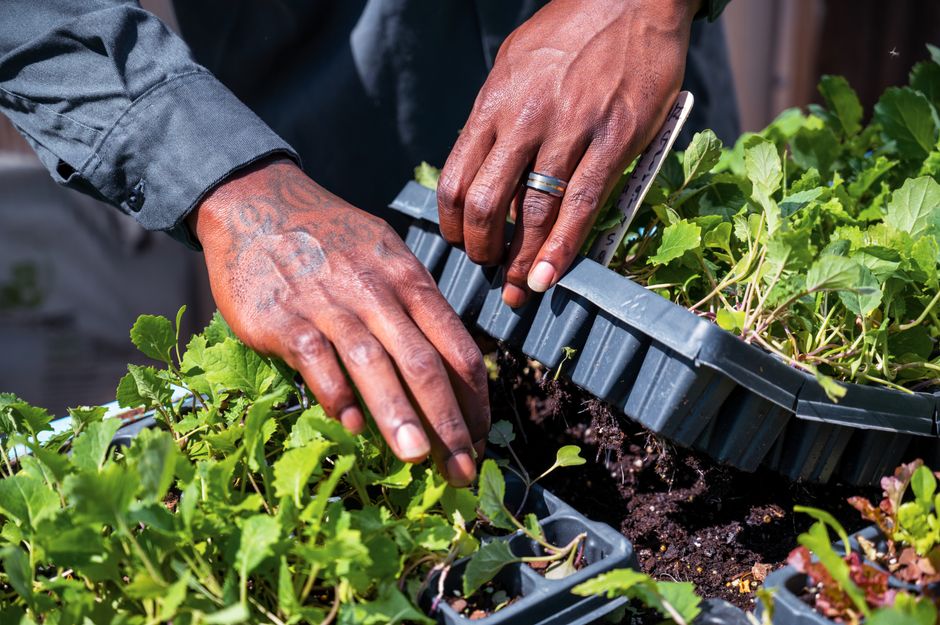
Before selecting seeds or purchasing containers, successful apartment gardening requires a shift in perspective. You are not just decorating a room; you are managing a living system. The primary constraints of apartment living—limited light, restricted floor space, and airflow—are actually opportunities to practice precision agriculture on a micro-scale. Whether you are gardening in an apartment balcony or working with a dim kitchen corner, the principles of plant biology remain the same: light, water, and nutrient access.
Mapping Your Micro-Climate
The most critical step in how to grow vegetables in an apartment balcony or indoor space is observing your light patterns. Sunlight is the fuel for your garden. Spend a few days tracking exactly how many hours of direct and indirect light your windows or balcony receive. Most high-yield edible plants to grow in apartment settings, such as tomatoes, peppers, and basil, require at least six hours of direct sunlight. If your space is shaded, do not despair; focus on leafy greens like kale, arugula, and spinach, which tolerate lower light levels. If natural light is entirely absent, modern technology like an AeroGarden can provide the full-spectrum lighting necessary to cultivate herbs and greens regardless of your apartment’s orientation.
Maximizing Small Spaces with Vertical Strategy

When floor space is at a premium, the only way to go is up. Vertical gardening is the hallmark of the Kitchen Library movement. By utilizing wall-mounted planters, hanging baskets, and tiered shelving, you can multiply your growing surface area without encroaching on your living quarters. This approach is essential for gardening in an apartment without a balcony, where every [vertical](https://t10family.com/en/vertical-aquaponics-sustainable-indoor-gardening-for-apartments/) inch of a wall or window frame counts.
Selecting the Right Containers
Your choice of container is as much about function as it is about style. For small apartments, heavy terracotta may be impractical due to weight limits on balconies. Instead, opt for lightweight, breathable fabric pots or repurposed household items like washed tetra packs and plastic bottles, which are perfect for small-scale gardens. When selecting containers, always ensure there is adequate drainage. A common beginner mistake is placing plants in decorative pots without holes, leading to root rot. If you love a specific ceramic pot that lacks drainage, use it as a cachepot—keep the plant in a plastic nursery liner inside the decorative vessel so you can easily remove it for watering.
High-Yield Crops for the Urban Gardener
To ensure a consistent “harvest-to-table” cycle, it is best to prioritize plants that provide a quick or continuous return on investment. The goal is to curate a library of plants that serve your daily cooking habits.
| Plant Category | Best Varieties for Apartments | Harvest Time |
|---|---|---|
| Microgreens | Radish, Sunflower, Pea shoots | 7–14 days |
| Culinary Herbs | Basil, Mint, Chives, Parsley | Continuous |
| Leafy Greens | Loose-leaf lettuce, Arugula, Kale | 3–5 weeks |
| Compact Fruits | Cherry tomatoes, Hot peppers | 60–80 days |
Microgreens are the unsung heroes of the small-space movement. Because they are harvested at the cotyledon stage, they require very little soil and can be grown in shallow trays on a windowsill. They provide a dense hit of nutrients and flavor, making them the most efficient crop for a beginner to master.
Sustainable Practices for Modern Renters
Urban gardening is inherently tied to the philosophy of waste reduction. Much like the spirit of guerilla gardening—which focuses on reclaiming neglected urban spaces—the Kitchen Library movement encourages the repurposing of materials. Composting, often perceived as a messy outdoor activity, can be done indoors using small-scale worm bins or Bokashi buckets. These systems turn your kitchen scraps into nutrient-dense fertilizer, closing the loop on your household waste while feeding your plants.
Furthermore, companion planting is a vital strategy for small urban setups. By pairing plants that naturally support one another, you can reduce the need for synthetic pesticides. For instance, planting basil near tomatoes can improve the flavor and growth of the tomatoes while potentially repelling certain pests. Understanding these symbiotic relationships allows you to manage a healthy, vibrant mini-ecosystem without relying on harsh chemicals.
Troubleshooting Common Apartment Problems
Even the most seasoned gardeners face challenges. In an indoor environment, pests like fungus gnats are common due to overwatering. To mitigate this, allow the top inch of soil to dry out between waterings. If you notice yellowing leaves, it is often a sign of nutrient deficiency or improper drainage. By keeping a simple gardening journal, you can track which varieties thrive in your specific apartment’s temperature and humidity, allowing you to refine your selection over time.
Frequently Asked Questions
Can I really grow enough food in an apartment to make a difference?
While you may not be able to become entirely self-sufficient, a well-managed Kitchen Library can significantly reduce your grocery bill and improve the nutritional quality of your meals. The focus should be on high-value items like fresh herbs, specialty greens, and cherry tomatoes, which are expensive to buy and often lack freshness when sourced from a store.
What if I am a “forgetful” gardener?
If you struggle with watering schedules, invest in self-watering containers or sub-irrigation planters. These systems use a reservoir to provide water to the plant roots as needed, offering a buffer for busy lifestyles. You can also prioritize hardy, drought-tolerant herbs like rosemary, thyme, and oregano.
Is it safe to grow plants on my apartment balcony?
Before installing heavy planters, check your building’s lease or balcony weight limit regulations. Use lightweight potting mixes—which are peat-based rather than soil-based—to reduce the overall load on your balcony structure. Always ensure your containers are secured against high winds, especially if you live on a higher floor.
Conclusion
The Kitchen Library movement is a testament to the fact that our relationship with nature does not have to end at the edge of the sidewalk. By carefully curating edible plants to grow in apartment spaces, you are reclaiming a piece of your food supply and fostering a deeper connection to the ingredients you consume. Whether you start with a single tray of microgreens on a windowsill or a full vertical system on your balcony, the act of growing your own food is a transformative experience. Start small, observe the unique light and airflow of your home, and watch as your apartment evolves from a simple living space into a thriving, productive, and deeply personal edible garden.