

The architectural landscape is currently undergoing a radical transformation, shifting away from resource-intensive, high-carbon construction methods toward regenerative, bio-based solutions. At the forefront of this movement is the emergence of mycelium architecture. By harnessing the vegetative root structure of fungi, designers and engineers are creating high-performance, carbon-negative building materials that challenge our conventional understanding of how structures are grown rather than manufactured. As the industry grapples with the climate crisis, the integration of mycelium into the built environment offers a promising path toward a truly circular economy.
Understanding the Fungal Revolution
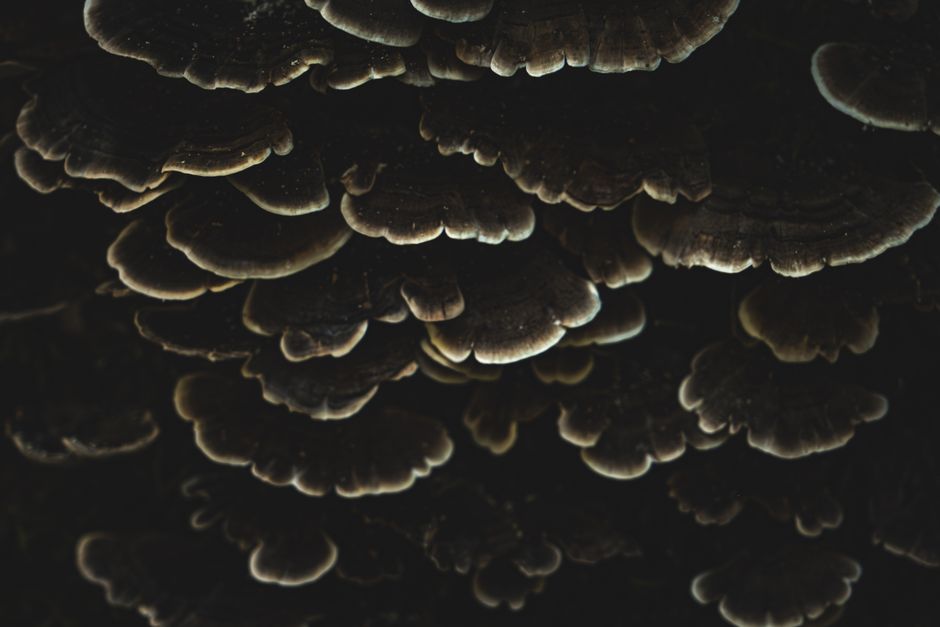
Mycelium is the intricate, thread-like network of fungal cells known as hyphae. In nature, this organism acts as the planet’s primary recycler, breaking down organic matter to sustain forest ecosystems. When cultivated in controlled laboratory or industrial settings, mycelium can be directed to grow into specific molds, binding agricultural waste products like hemp hurd, straw, or sawdust into durable, lightweight composites. This process is not merely manufacturing; it is a biological cultivation of material that requires minimal energy and produces zero toxic waste.
The transition from academic research to practical application is becoming increasingly evident. At the Building with fungi conference and similar global forums, experts are highlighting that mycelium is no longer a speculative concept. It is a functional, scalable material that addresses the urgent need for sustainable alternatives to synthetic foams, plastics, and energy-intensive insulation.
The Technical Versatility of Mycelium Building Material
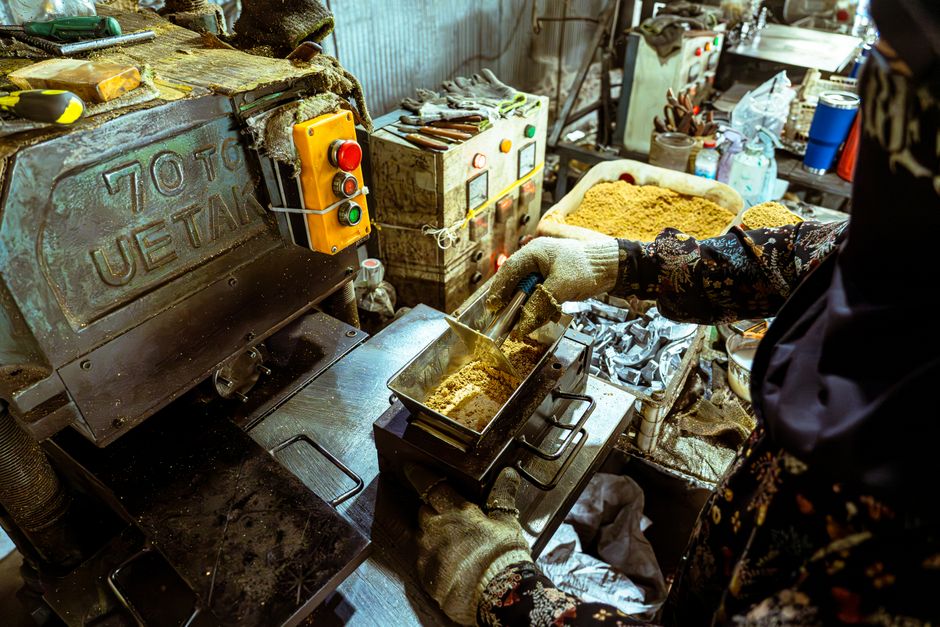
Mycelium-based materials exhibit a unique set of physical properties that make them highly attractive for modern architecture. Because they are grown rather than poured or cut, they can be engineered to suit specific structural or aesthetic requirements. The material is inherently fire-resistant, provides excellent thermal and acoustic insulation, and is exceptionally lightweight.
Structural Applications and Hybrid Systems
While the prospect of mycelium bricks as a primary load-bearing material is a popular subject of research, practical reality dictates a hybrid approach. Current engineering standards often require the use of wood or steel connectors to reinforce structures where mycelium acts as an infill or paneling element. By combining the natural compressive strength of fungal composites with the tensile strength of conventional materials, architects are achieving a balance that maximizes performance while minimizing environmental impact.
Mycelium Board and Interior Design
Beyond structural frames, mycelium interior design is where the material is seeing its most immediate adoption. Designers are utilizing mycelium to create [modular](https://t10family.com/en/modular-modesty-the-future-of-adaptable-circular-workwear/) acoustic panels, wall coverings, and bespoke furniture pieces. Because the material can be molded into complex geometries, it offers an aesthetic freedom that standard industrial boards cannot match. Companies like Mogu have demonstrated that mycelium-based acoustic systems can be both visually striking and functionally superior to synthetic alternatives, providing a tactile, organic finish that improves the sensory quality of interior spaces.
The Advantages of Fungal Biomaterials
The adoption of mycelium in construction is driven by a suite of environmental and technical benefits that traditional materials struggle to match. As we move toward a future defined by carbon-negative building goals, the following advantages position fungi as a cornerstone of sustainable design.
| Feature | Impact on Sustainable Design |
|---|---|
| Renewability | Grown from agricultural waste streams with minimal resource input. |
| Biodegradability | Naturally decomposes at the end of its life cycle, preventing landfill buildup. |
| Carbon Footprint | Sequesters carbon during growth, contributing to net-zero building targets. |
| Insulation | Provides natural, high-performance thermal and acoustic barriers. |
| Customization | Can be grown into intricate, site-specific molds and shapes. |
A Future of Active, Living Architecture
One of the most profound aspects of building with fungi is the potential for “living” architecture. Unlike concrete or steel, which are inert, mycelium-based materials possess biological potential. Ongoing research explores the possibility of materials that are self-healing or capable of partial self-organization. Imagine a wall that can repair its own cracks or a structural component that adapts its density based on environmental stressors. While these applications are still in the developmental phase, they represent a fundamental shift in how we perceive the longevity and intelligence of the built environment.
Addressing the Challenges of Scaling
Despite the excitement, the transition to fungal architecture faces hurdles. Standardization remains a key issue; as a biological product, mycelium can vary in its mechanical properties depending on the specific strain of fungi used and the environmental conditions of its growth. To achieve widespread adoption, the industry must develop consistent testing protocols that satisfy building codes and safety regulations. Furthermore, the supply chain for agricultural substrates needs to be formalized to ensure that large-scale projects have a reliable, consistent raw material source.
Frequently Asked Questions
Is mycelium strong enough to build a house?
In its current state, mycelium is generally not intended to replace concrete or steel in high-rise, load-bearing applications on its own. However, it is highly effective when used in hybrid systems, where it serves as insulation, interior paneling, or structural infill. As research progresses, the strength of these composites continues to improve, allowing for more ambitious applications.
How does mycelium compare to traditional insulation?
Mycelium performs competitively with standard foam and fiberglass insulation in terms of thermal and acoustic resistance. It has the added benefit of being non-toxic, breathable, and fully biodegradable, which significantly improves indoor air quality and reduces the environmental burden of construction waste.
Does mycelium architecture attract pests or mold?
When properly processed, mycelium-based materials are inert and stable. The drying or heat-treatment process at the end of the growth cycle kills the fungus and prevents further growth, effectively turning the material into a stable, fire-resistant, and pest-resistant composite that is safe for use in residential and commercial interiors.
Can I grow my own mycelium materials?
Yes, the DIY movement in bio-design is growing rapidly. Many designers and hobbyists are experimenting with “grow-it-yourself” kits that allow for the creation of small-scale furniture, packaging, or interior decor items. This democratization of material science is a vital step in proving the versatility and accessibility of fungal building components.
Conclusion
The rise of mycelium architecture marks a significant departure from the industrial era of resource extraction and waste. By viewing the building process as a biological collaboration, architects and designers are proving that we can cultivate our infrastructure rather than simply build it. While the field still faces challenges regarding standardization and mechanical performance, the progress made in mycelium interior design and structural composites is undeniable. As we continue to refine these fungal materials, we move closer to a built environment that is not only sustainable but actively restorative. The future of architecture is not just about reducing harm; it is about growing a better world, one fungal filament at a time.