
The Future of Beauty: DNA-Based Personalization and AI Integration
The beauty industry is undergoing a seismic shift, moving away from the traditional one-size-fits-all approach toward a future defined by precision and biological insight. As consumers become more scientifically literate, the demand for hyper-personalized skincare has reached a fever pitch. By bridging the gap between clinical genetics and daily beauty rituals, [the rise of](https://t10family.com/en/the-rise-of-sustainable-men-s-grooming-a-modern-shift/) DNA-based beauty regimens is transforming how we understand our skin. Today, it is no longer enough to identify as having oily, dry, or combination skin; we are now looking at our genetic code to predict how we age, how we respond to environmental stressors, and which specific ingredients will yield the most effective results.
The Science of Skin: Understanding DNA-Based Personalization
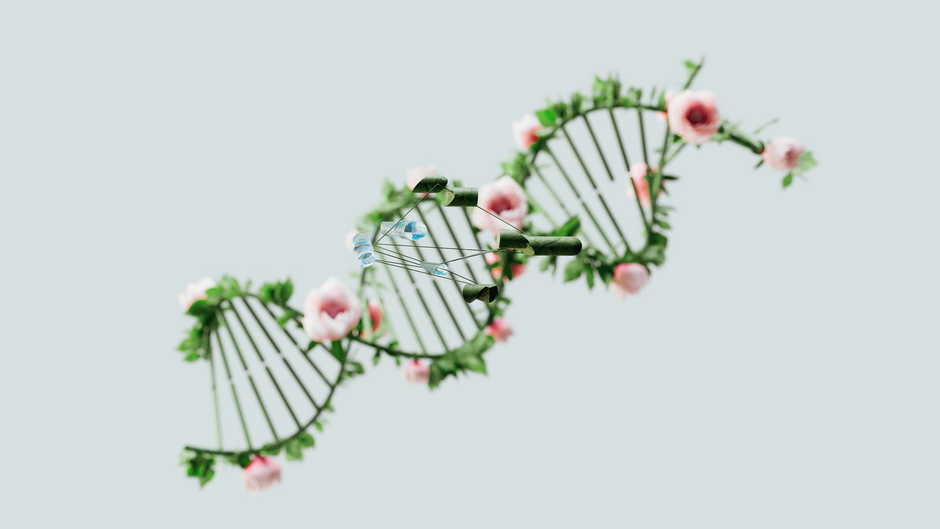
At its core, DNA-based skincare is the practice of using genetic testing to gain a deeper understanding of your skin’s biological blueprint. Our physical appearance—including our skin tone, elasticity, and even our propensity for freckles—is dictated by our genotype. However, the true value of these tests lies in their ability to identify predispositions to skin conditions that may not yet be visible to the naked eye.
The Role of SNPs in Skin Analysis
The science behind these services relies on identifying Single Nucleotide Polymorphisms (SNPs). These are single-letter variations in your DNA sequence that can indicate a higher risk for specific issues, such as collagen degradation, sensitivity to UV rays, or a reduced capacity for antioxidant production. Thanks to advancements in high-throughput genotyping, identifying these markers has become faster and more affordable, allowing companies to offer personalized skincare that was once reserved for clinical laboratory settings.
Artificial Intelligence in the Evolution of Skincare
While genetic data provides the foundation, AI-driven systems act as the engine that makes this information actionable. By processing vast datasets of genetic markers alongside user lifestyle inputs, sophisticated algorithms can curate regimens that a human expert might overlook. This synergy between biology and computation is the true catalyst for the current beauty revolution.
AI-Assisted Skincare in XR
The integration of technology is moving beyond simple mobile applications. We are seeing the implementation of AI-assisted skincare routines within Extended Reality (XR). Users can utilize headsets that perform real-time skin analysis, overlaying genetic test results with a visual assessment of current skin health. This immersive experience allows users to see exactly where their genetic predispositions—such as sun damage or fine lines—are manifesting, providing a highly interactive guide to product application.
Addressing Ethics and Bias
Despite the promise of technology, it is crucial to address the limitations of these systems. A growing concern among ethicists and data scientists is how artificial intelligence adopts human biases. Because AI models are trained on historical data, they can inadvertently inherit the biases present in those datasets, potentially leading to inaccurate recommendations for underrepresented skin tones or ethnicities. To ensure the best hyper-personalized skincare experience, companies must prioritize diverse datasets and transparent algorithms to ensure that their recommendations are equitable and scientifically sound for all users.
The Intersection of Epigenetics and Lifestyle
One of the most significant misconceptions about genetic testing is that it is deterministic. In reality, our skin is heavily influenced by epigenetics—the way our environment and lifestyle choices “switch” genes on or off. A robust personalized skincare regimen must account for these external variables. By combining DNA analysis with comprehensive lifestyle quizzes, modern platforms can determine whether skin inflammation is purely genetic or exacerbated by factors like diet, sleep quality, and pollution exposure.
FAQ: Modern Skincare Science
| Question | Answer |
|---|---|
| What is the holy grail of anti-aging? | A combination of DNA-protective habits (SPF) and evidence-based actives like retinoids and antioxidants. |
| Do DNA repair serums work? | They support cellular repair processes but cannot “rewrite” your DNA. |
| What is the 4-2-4 rule? | A Korean cleansing method: 4 minutes of oil cleansing, 2 minutes of water-based cleansing, and 4 minutes of rinsing. |
| What is PDRN? | Polydeoxyribonucleotide, a salmon-derived ingredient used to promote tissue repair and elasticity. |
Conclusion: The Future of Your Routine
The rise of DNA-based beauty regimens represents a fundamental shift in how we approach self-care. By leveraging the power of genetics and the precision of AI, we are moving away from the guesswork of trial-and-error shopping and into an era of evidence-based beauty. As these tools become more accessible, the goal of achieving a truly bespoke routine is no longer a luxury, but a standard for the modern consumer. Whether you are addressing specific concerns or simply optimizing your longevity, the future of skincare is written in your own biology.