
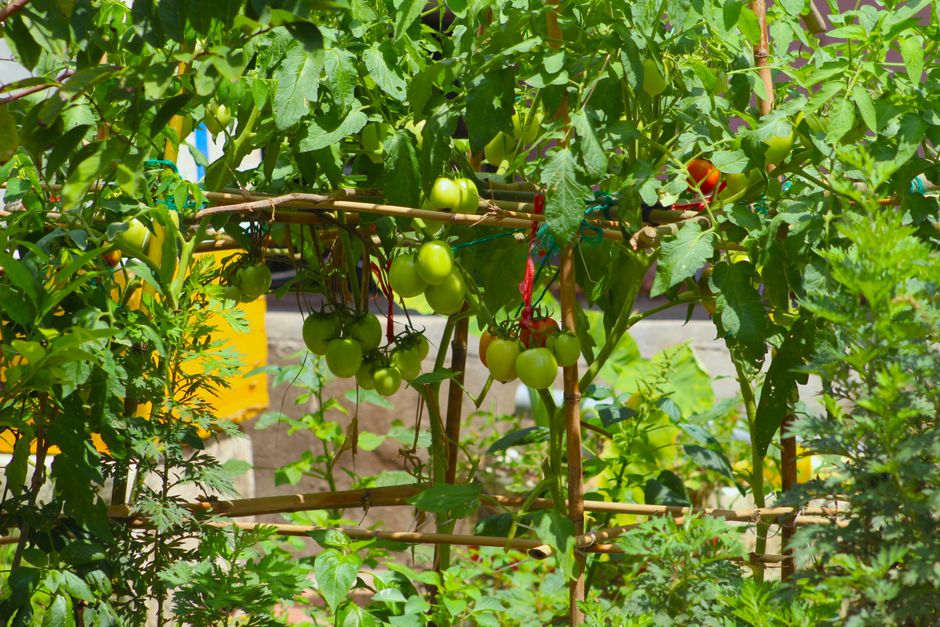
For decades, the concept of Community Supported Agriculture has served as a cornerstone of sustainable, localized food production. By bridging the gap between small-scale farmers and their neighbors, this model has fostered social responsibility and environmental stewardship. However, as the global retail landscape shifts toward rapid convenience and digital integration, the traditional CSA model is undergoing a significant transformation. Today, we are witnessing the rise of Community Supported Agriculture 2.0: a tech-enabled evolution that leverages e-commerce, blockchain, and cooperative software to make local food systems more resilient, accessible, and transparent than ever before.
The Evolution of Community Supported Agriculture
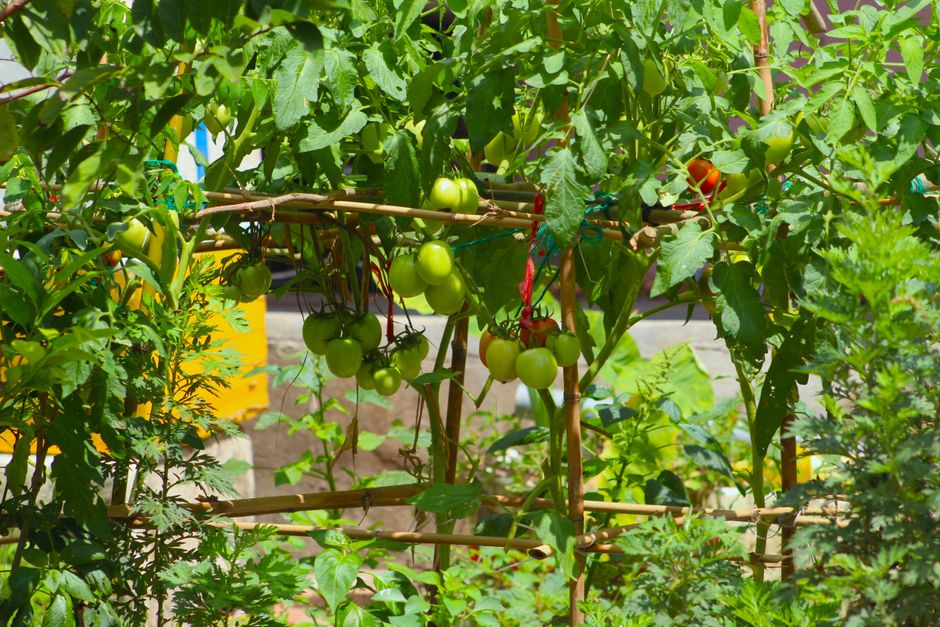
To understand the current shift, it is essential to look at the Community Supported Agriculture history. Traditionally, this model relied on seasonal subscriptions where consumers purchased a share of a farm’s harvest upfront, effectively sharing the risks and rewards of the growing season with the producer. While effective at supporting small, family-run farms, these legacy systems often struggled with administrative overhead, limited payment options, and the friction of manual logistics. For many, finding Community Supported Agriculture near me was a process of word-of-mouth or physical bulletin boards, which limited the reach of these programs to a specific, localized demographic.
In the digital age, a CSA update is long overdue. Modern consumers, accustomed to the frictionless experience of global e-commerce, demand the same level of ease when purchasing organic produce from their local farmers. By integrating digital tools, the community supported agriculture movement is moving beyond the limitations of paper-based signups and cash-only transactions, reconfiguring the relationship between the farm and the table to compete with the convenience of mass-market retail.
Tech-Enabled Local Food Systems: The CSA 2.0 Architecture

The transition to CSA 2.0 is defined by the integration of sophisticated software platforms. These systems do more than just facilitate payments; they reorganize the entire supply chain. For example, multi-stakeholder cooperatives like GrownBy are pioneering new ways for farmers to manage subscriptions, automate communication, and handle complex logistics. By acting as a digital backbone, these platforms allow farmers to focus on sustainable agriculture rather than software development or manual record-keeping.
Digital Inclusion and Accessibility
One of the most profound impacts of tech-enabled community supported systems is the democratization of access. Historically, participating in a CSA often required a significant upfront financial commitment, which was a barrier for lower-income households. Today, modern platforms are the first to successfully integrate online SNAP (Supplemental Nutrition Assistance Program) payments for local produce. This technological leap ensures that fresh, healthy food is not a luxury good, but a community resource available to a broader segment of the population.
Blockchain and the Transparency Revolution
Beyond e-commerce, blockchain technology is being deployed to solve the “black box” problem of food origins. While What is a CSA business often implies a high degree of trust between the farmer and consumer, blockchain provides a verifiable, immutable record of a product’s journey. By utilizing community supported agriculture in tandem with Internet of Things (IoT) sensors, producers can now provide consumers with granular data about soil health, harvest dates, and transportation history. Projects like FarmShare are even exploring token-based equity models, where blockchain facilitates distributed consensus, allowing communities to take a more active, ownership-oriented role in their local food economy.
Addressing Common Misconceptions
As the terminology surrounding sustainable food systems grows, it is important to clarify what these acronyms mean in different contexts. A common point of confusion arises from the acronym “CSA.” While in the food sector it refers to community supported agriculture, in other industries, the term has entirely different implications. For instance, in the logistics and transport sector, the CSA in Trucking meaning refers to “Compliance, Safety, Accountability,” a program managed by the Federal Motor Carrier Safety Administration to monitor carrier performance. Similarly, in an educational context, CSA in school meaning often refers to “Community Service Association” or similar student-led volunteer organizations. Understanding these distinctions is vital for professionals navigating the intersection of sustainability and technology.
The Future of Community-Driven Food Models
Despite the influx of technology, the core motivation for participating in these systems remains unchanged. Research indicates that proximity remains the primary driver for consumers; they want to support the local economy and reduce their environmental footprint. The community supported agriculture movement is not losing its soul to technology; rather, it is using technology to protect its original mission. By automating the mundane aspects of farm management, farmers gain the time needed to nurture their crops and engage with their customers on a deeper level.
The Cooperative Platform Advantage
A critical component of this evolution is the governance model of the software itself. Many of the most successful platforms are structured as cooperatives, ensuring that the technology is owned and operated in the interest of the farmers and employees rather than distant venture capitalists. This alignment of incentives ensures that digital tools are designed to foster solidarity and fair labor practices, rather than just maximizing transaction volume.
Frequently Asked Questions
What is a CSA business?
A CSA business is a model of food distribution where consumers purchase a share of a farm’s output in advance. This provides farmers with essential capital at the start of the season and ensures that consumers receive a regular supply of fresh, locally grown produce, strengthening the bond between the producer and the community.
How does technology improve the CSA experience?
Technology improves the experience by streamlining the administrative burden on farmers, offering secure and flexible payment options (including government assistance programs), and providing consumers with real-time tracking and transparency regarding the origin and quality of their food.
Is blockchain necessary for local food systems?
While not strictly necessary for every operation, blockchain provides a powerful tool for verifying food integrity and fostering community ownership. It creates a tamper-proof history of products from farm to fork, which can be particularly useful for consumers who prioritize traceability and ethical sourcing.
Can I use SNAP benefits with modern CSA platforms?
Yes. Some modern, tech-enabled CSA platforms have been specifically designed to accept online SNAP payments, making it easier for families to access fresh produce from local farms while supporting their regional agricultural economy.
Conclusion
The transition to Community Supported Agriculture 2.0 represents a vital shift in how we interact with our food systems. By embracing digital platforms, blockchain, and cooperative governance, the community supported agriculture movement is successfully bridging the gap between traditional values and modern expectations. This evolution does not discard the local, human-centric nature of the original model; instead, it reinforces it, providing the infrastructure necessary for small-scale, sustainable farming to thrive in a globalized, tech-driven economy. As these systems continue to mature, they offer a blueprint for a more resilient, transparent, and equitable food future for all.