

The beauty industry is currently undergoing a structural metamorphosis. For decades, the sector relied on a linear model of consumption—take, make, dispose—which prioritized convenience and shelf-impact over ecological longevity. However, as consumer consciousness evolves and regulatory pressures mount, the industry is pivoting toward a circular model. This transition is most visible in the premium sector, where refillable luxury packaging has emerged as the definitive standard for the next decade. By decoupling brand value from single-use materials, luxury houses are redefining what it means to own a high-end cosmetic item, proving that sustainability and opulence are not mutually exclusive.
The New Generation of Cosmetics Packaging: A Paradigm Shift
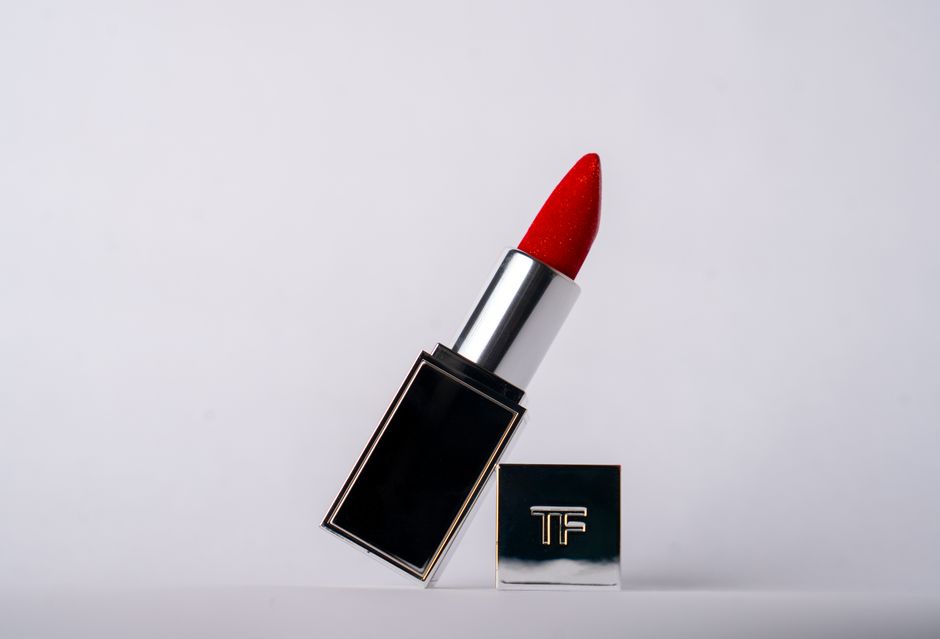
We are witnessing the new generation of cosmetics packaging: a paradigm shift that moves beyond simple recycling. While recycling was the sustainability goal of the early 2010s, it is increasingly viewed as a failure due to low global recovery rates and the degradation of material quality. Instead, the current focus is on durability and reusability. Leading brands are now designing vessels intended to last a lifetime, utilizing heavy-gauge glass, weighted metals, and high-performance polymers that are specifically engineered to endure multiple refill cycles.
This shift is heavily influenced by cosmetic packaging trends 2026, which emphasize modularity. Brands are no longer just offering a refill pouch; they are creating “forever cases” that act as jewelry for the vanity table. This aesthetic approach ensures that consumers feel a sense of pride in their purchase, fostering long-term brand loyalty. When a consumer buys an expensive lipstick case or perfume bottle, they are investing in an heirloom piece, while the product inside becomes a consumable commodity, similar to how the food packaging trends 2026 are evolving toward bulk-refill systems and closed-loop delivery models.
Understanding the Sustainable Beauty Market Size
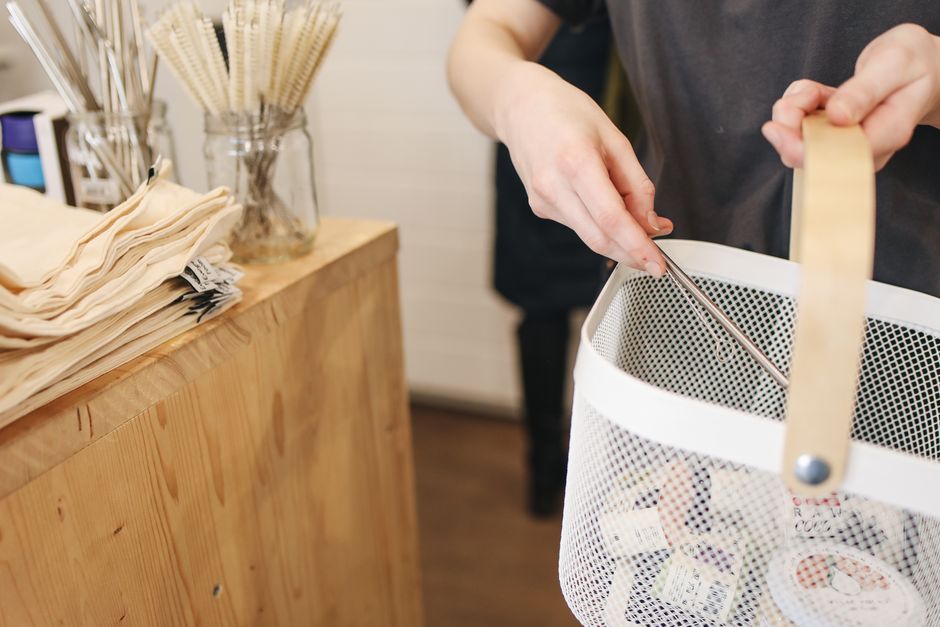
The economic incentive for this transition is substantial. According to industry analysis, the sustainable beauty market size is projected to expand significantly as refillable systems become more accessible. Consumers are no longer waiting for brands to lead; they are actively seeking out companies that demonstrate a commitment to a circular economy. The financial argument is clear: while the initial cost of a refillable vessel is higher, the long-term cost per gram of product is often lower, creating a value proposition that appeals to both budget-conscious shoppers and luxury collectors.
The Role of Data and Consumer Insights
Recent reports, including Mintel beauty trends 2026, highlight that transparency is the primary driver of purchase intent. Consumers are demanding to know the carbon footprint of their packaging. Brands that provide life-cycle assessments—showing the exact amount of plastic or carbon saved by choosing a refill over a new unit—are gaining significant market share. This data-driven approach is essential for building trust in an era where “greenwashing” is easily identified and penalized by the community.
Designing for Longevity: The Mechanics of Circularity
Transitioning to a circular model requires a radical redesign of the supply chain. It is not enough to simply change the outer casing; the internal mechanism must be robust enough to handle the stress of repeated handling and fluid transfers. Sustainable packaging for cosmetics now incorporates advanced engineering, such as magnetic closures that do not wear down and airtight seals that protect the formula’s integrity over several years.
Material Innovation and Supply Chain Integration
The shift toward circularity is also changing how beauty companies source materials. There is a move away from virgin plastics toward post-consumer recycled (PCR) materials and bio-based alternatives. Furthermore, brands are increasingly partnering with specialized logistics providers to create “return-to-source” loops. In these models, empty refills are sent back to the manufacturer, cleaned, and sterilized for reuse, creating a true closed-loop ecosystem.
| Packaging Strategy | Consumer Benefit | Environmental Impact |
|---|---|---|
| Weighted “Forever” Vessels | Enhanced tactile luxury | Significant reduction in virgin material use |
| Minimalist Refill Pouches | Lower price point | Reduced shipping weight and carbon footprint |
| In-Store Refill Stations | Experiential engagement | Elimination of secondary packaging entirely |
Challenges in the Transition to Circular Systems
Despite the momentum, the transition is not without hurdles. The primary challenge remains the consumer habit of convenience. Single-use items are ingrained in modern life, and asking a consumer to store, clean, or return a refill component requires a change in behavior. To succeed, brands must make the refill process as frictionless as possible. This involves simplified subscription models, easy-to-use refill cartridges, and clear instructions that demystify the process.
Additionally, there are regulatory complexities. Cosmetic packaging is subject to strict safety and hygiene standards. Ensuring that a reused component remains sanitary and free from contamination is a major technical hurdle that requires innovation in materials science. However, these challenges are driving a new wave of R&D investment that will ultimately benefit the entire industry, improving the quality and durability of all goods.
FAQ: Navigating the Future of Sustainable Beauty
What is the difference between recyclable and circular packaging?
Recyclable packaging is designed to be broken down after use, which often results in material degradation. Circular packaging is designed to be kept in use for as long as possible, either by refilling the original container or returning it to the manufacturer for cleaning and reuse, thereby maintaining the value of the materials.
Are refillable beauty products actually cheaper for the consumer?
In the long term, yes. While the initial investment in a high-quality, refillable vessel is higher, subsequent refills are typically priced at a discount because the consumer is no longer paying for the cost of the primary packaging, which often accounts for a significant portion of the retail price.
How can brands prevent greenwashing in their packaging claims?
Brands can avoid greenwashing by providing third-party verified life-cycle assessments. Instead of using vague terms like “eco-friendly,” they should provide concrete data on material composition, the percentage of recycled content, and the actual carbon savings achieved through their refill program.
Will the shift to circularity affect the aesthetic of luxury beauty?
Quite the opposite. The shift is elevating the aesthetic of luxury. By using high-quality materials like brushed aluminum, heavy glass, and even stone or ceramic, brands are creating products that feel more substantial and artisanal, aligning perfectly with the expectations of the luxury market.
Conclusion
The trajectory of the beauty industry is clear: the future is circular. As we look toward 2026 and beyond, the brands that thrive will be those that view packaging not as waste, but as an essential, high-value asset. By embracing sustainable packaging for cosmetics, the industry is not only reducing its environmental impact but also fostering deeper connections with consumers who value longevity and intentional design. This paradigm shift represents a maturation of the beauty sector, moving away from the fleeting nature of fast-consumption and toward a more durable, elegant, and responsible future. The integration of these systems is no longer a niche preference but a fundamental requirement for any brand aiming to lead in the global beauty landscape.