
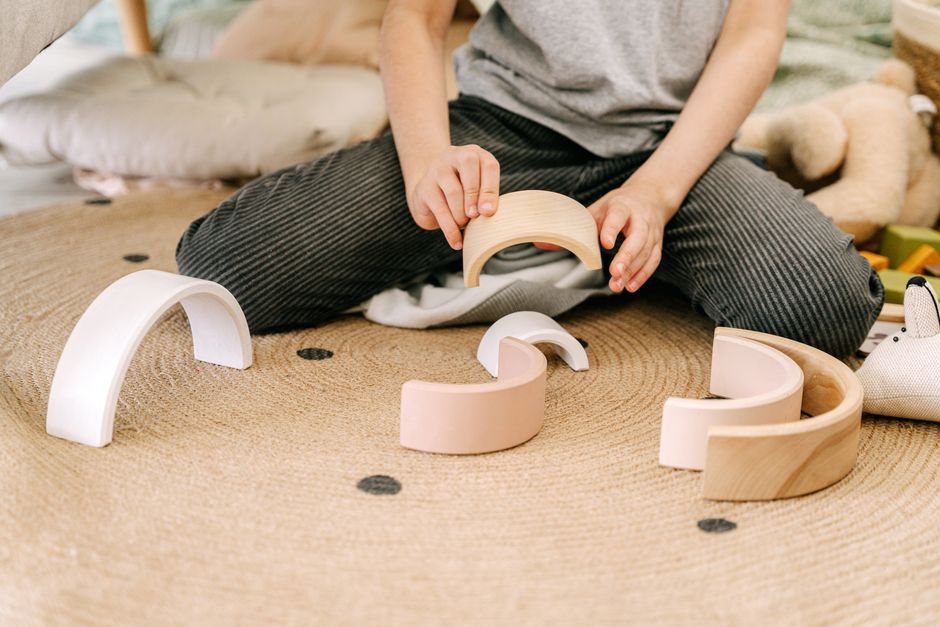
For parents navigating the unique landscape of raising children with sensory processing differences, the home environment often serves as the first line of defense against the overwhelming input of the outside world. Neuro-inclusive parenting is not merely about acceptance; it is about the intentional creation of spaces that honor the nervous system of a child. By designing low-stim zones, families can provide a sanctuary where children experiencing sensory over-responsivity can retreat, regulate, and recharge. This approach shifts the focus from managing behavior to managing the environment, ensuring that sensory-sensitive children feel safe, understood, and supported in their daily lives.
Understanding the Need for Sensory-Adaptive Environments

Sensory processing differences are a hallmark of many neurodivergent profiles, including autism, ADHD, and sensory processing disorder (SPD). For these children, the world can often feel like a cacophony of lights, sounds, and textures that the brain struggles to filter. Research highlights that the use of sensory adaptive environments with autistic children is a critical strategy for emotional regulation. When we consider the principles of neuro-inclusive parenting, we recognize that a child’s environment significantly impacts their ability to engage with the world.
The goal of a low-stim zone is to minimize the load on a child’s sensory system. Unlike a traditional play area, which is often filled with vibrant colors and stimulating toys, a low-stim zone is a dedicated, controlled environment designed to reduce auditory, visual, and tactile input. By proactively incorporating these spaces into the home, parents can help children build the self-awareness necessary to recognize when they are reaching their limit, allowing them to seek regulation before a meltdown occurs.
Designing Your Home Sanctuary: Practical Strategies
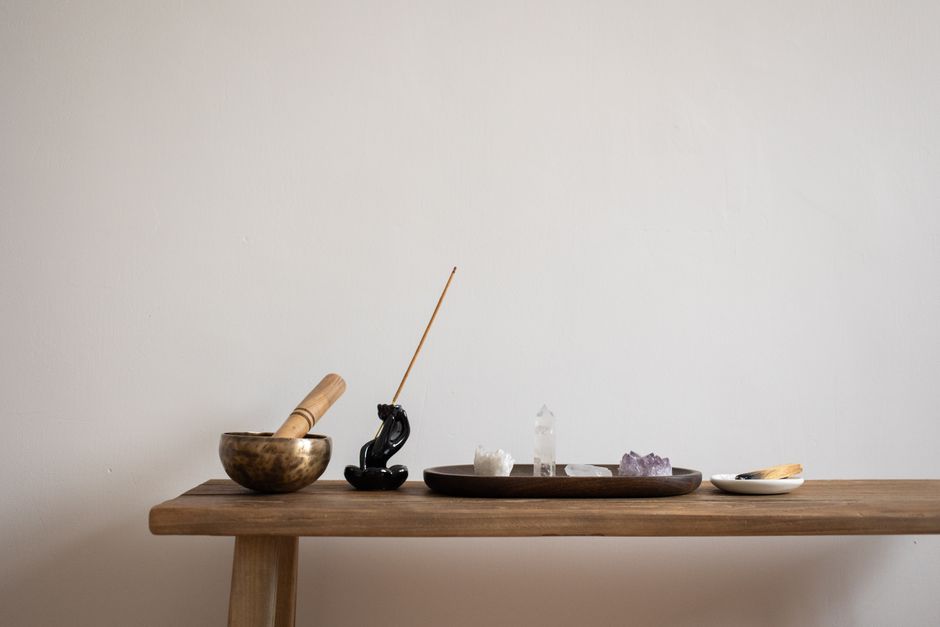
Creating a low-stim space does not require a complete home renovation. It is about strategic choices that prioritize the nervous system. Whether you are transforming a corner of a bedroom or a dedicated closet, the key is to focus on the sensory profile of your specific child. Neuro-inclusive parenting requires us to be observers of our children, noting which inputs cause distress and which provide comfort.
The Architecture of Calm: Lighting and Color
Visual stimulation is one of the most common triggers for sensory-sensitive children. Fluorescent lights, common in many homes and schools, often emit a low-frequency hum and a flicker that can be physically painful for some individuals. To create a neurodiverse-friendly space, opt for warm, soft lighting. Floor lamps with fabric shades, salt lamps, or dimmable LED strips in warm tones are excellent alternatives. Avoid bright, primary colors on walls, which can contribute to visual clutter. Instead, choose neutral, calming palettes such as soft blues, sage greens, or muted earth tones to promote a sense of groundedness.
Auditory and Tactile Considerations
Auditory input is another significant factor in sensory regulation. If your home is noisy, consider adding soft textiles like heavy curtains, plush rugs, or acoustic wall panels to dampen sound. For tactile-seeking children, the space should include a variety of textures that are soothing rather than abrasive. Weighted blankets, soft bean bag chairs, or sensory cushions can provide the deep pressure input that many children find regulating. Conversely, for children who are sensitive to touch, ensure that the furniture surfaces are smooth and easy to clean, avoiding scratchy fabrics or overly complex patterns.
The Role of Proactive Zoning
A common misconception is that these spaces should be used as a place for a child to sit when they are already struggling. However, evidence-based practices suggest that the most effective use of a sensory room in schools and homes is proactive. Encourage your child to spend time in their low-stim zone when they are calm, perhaps while reading or listening to a quiet audiobook. This association ensures that the space is seen as a positive, restorative sanctuary rather than a location for isolation or punishment.
Bridging Home and Education
As parents, our advocacy extends beyond the front door. Understanding the principles of neuro-inclusive parenting helps us evaluate external environments, such as neurodiverse-friendly preschools. When searching for a “neurodivergent preschool near me,” look for institutions that align inclusive pedagogy and spatial design. These schools often feature classrooms that are not over-decorated, offer clear pathways, and provide designated quiet corners for students who need to step away from the group.
The principles applied in the home—such as reducing clutter and providing varied seating options—should be mirrored in the classroom. Educators who prioritize neurodivergent classroom design recognize that a child who feels safe and regulated is a child who is ready to learn. By communicating your child’s specific sensory needs to their teachers, you create a continuum of care that reinforces the importance of inclusive, sensory-conscious spaces.
Frequently Asked Questions
What are the signs of sensory dysregulation in toddlers?
Sensory dysregulation in toddlers often manifests as sudden, intense emotional outbursts, a tendency to cover their ears or eyes frequently, extreme pickiness with clothing textures or food, or a compulsive need to seek out or avoid physical contact. You might also notice a child who becomes “wired” and hyperactive in crowded settings or one who shuts down and becomes withdrawn when faced with too much sensory input.
What are the treatment options for sensory processing sensitivity?
The primary therapeutic approach for sensory processing sensitivity is Occupational Therapy (OT). An occupational therapist can conduct a sensory profile to identify specific triggers and strengths. They often use a “sensory diet,” which is a personalized schedule of physical activities and environmental modifications designed to help the child maintain an optimal state of arousal throughout the day.
How does autism affect sensory sensitivity?
Autism often involves atypical sensory processing, where the brain receives and interprets sensory information differently. This can result in either sensory hyper-responsivity, where the brain over-reacts to input (leading to pain or fear), or hypo-responsivity, where the brain under-reacts, leading a child to seek out intense sensations like spinning, crashing, or deep pressure to feel grounded.
How to reduce sensory overload in autism?
Reducing sensory overload begins with identifying the primary triggers, such as loud noises, bright lights, or strong smells. Mitigation strategies include the use of noise-canceling headphones, transition warnings before changing activities, maintaining a predictable routine, and providing access to a low-stim zone. Empowering the child with “sensory breaks” throughout the day can also prevent the buildup of sensory stress.
Conclusion
Designing a low-stim zone is a profound act of neuro-inclusive parenting. It acknowledges that our children do not need to be “fixed” to fit into a world that is often too loud and too bright; rather, they deserve environments that adapt to their unique ways of experiencing the world. By implementing thoughtful, sensory-conscious design in our homes, we provide our children with the tools they need to regulate their nervous systems and thrive. As we continue to advocate for sensory-inclusive spaces in our schools and communities, we build a future where neurodiversity is not just accommodated, but celebrated as a vital part of the human experience. Through these small, intentional changes, we create a foundation of safety and security that will serve our children for a lifetime.