

Sustainable Furniture: Balancing Nature and Innovation
The contemporary furniture industry is navigating a pivotal shift, balancing the raw, tactile appeal of natural materials against the high-performance capabilities of synthetic innovation. Understanding how to integrate these two approaches is essential for creating homes that are both environmentally responsible and enduring.
The Earth-First Philosophy: Biophilic Design
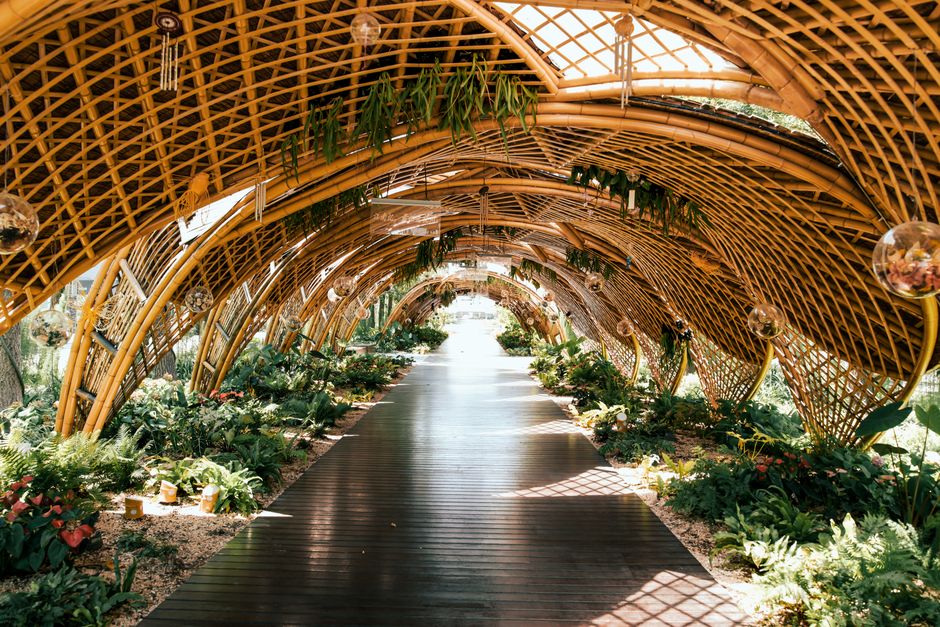
The Earth-First movement focuses on biophilic integrity, prioritizing materials that maintain a direct connection to the natural world. By utilizing minimal processing, these materials offer unique sensory experiences.
Key Advantages of Natural Materials
- Carbon Sequestration: Materials like wood act as carbon sinks throughout their lifespan.
- Rapid Renewability: Resources such as cork and rattan grow quickly with minimal energy input.
- Indoor Air Quality: Untreated natural fibers typically avoid the off-gassing associated with industrial chemicals.
- Sensory Depth: The unique grain and texture of organic materials provide an aesthetic character that mass-produced items cannot replicate.
The Sustainability Paradox
Despite their appeal, natural materials face challenges. High water consumption for crops like cotton and the need for pesticides can offset environmental gains. Furthermore, organic materials are often sensitive to humidity and light, potentially shortening their lifespan if not maintained with care.
Synthetic Innovation and the Circular Economy

Modern synthetics, such as high-density polyethylene (HDPE) and recycled polyesters, have evolved beyond the disposable plastics of the past. When designed for longevity and disassembly, these materials support a [circular](https://t10family.com/en/circular-fashion-transforming-textile-waste-into-luxury/) economy by preventing waste.
The Concept of Particle Play
Particle Play furniture utilizes crushed or recycled synthetic particles to create modular, durable pieces. By designing products that can be easily disassembled into their component parts—such as separating metal fasteners from plastic shells—manufacturers ensure that materials can be returned to the production loop rather than ending up in a landfill.
Material Impact Comparison
| Material Category | Primary Strength | Sustainability Challenge | Best Use Case |
|---|---|---|---|
| Natural (Wood, Rattan) | Biophilic, Carbon Sequestration | Water usage, environmental sensitivity | Indoor living spaces |
| Synthetic (HDPE, Recycled Poly) | Durability, Weather Resistance | Microplastic shedding, energy intensity | High-traffic/Outdoor areas |
| Hybrid/Engineered | Design Flexibility | Complexity of recycling | Modular/Functional furniture |
Future Trends: Bio-Synthetics and Disassembly
The future of design lies in a hybrid methodology. The emergence of bio-synthetics—materials derived from organic waste streams engineered for durability—aims to bridge the gap between natural aesthetics and synthetic performance.
The Importance of Design for Disassembly
Regardless of the material, the true measure of sustainability is whether a piece can be taken apart. Furniture glued together is inherently unsustainable. By using mechanical fasteners, designers ensure that components can be repaired, recycled, or composted at the end of their lifecycle.
Frequently Asked Questions
Are natural materials always the most sustainable choice?
Not necessarily. Sustainability depends on the entire lifecycle. A long-lasting synthetic piece designed for circularity may have a lower environmental impact than a natural piece that requires high water usage or frequent replacement.
How can I verify if a piece of furniture is sustainable?
Prioritize manufacturers that offer transparency in their supply chain, use materials with third-party certifications, and provide clear instructions on how to repair or disassemble the item.
Do synthetic materials negatively affect air quality?
Some traditional plastics can off-gas volatile organic compounds (VOCs). To mitigate this, look for Greenguard certification or labels explicitly stating that the product is low-VOC.
Conclusion
Creating a sustainable home is not a binary choice between nature and technology. The most successful modern designs honor the raw beauty of the natural world while leveraging the efficiency of future-proof material science. By prioritizing durability and modularity, we can ensure our furniture choices support both our aesthetic values and the health of the planet.