

For decades, the conversation surrounding women’s [digital](https://t10family.com/en/digital-minimalism-reclaiming-focus-in-an-age-of-distraction/) health was confined to the basics: a calendar to mark the start of a period or a simple estimate of a fertile window. Today, that landscape is undergoing a seismic shift. We are witnessing the maturation of femtech—an industry once dismissed as a niche subset of wellness—into a robust, high-stakes pillar of global medicine. As the sector moves toward a projected valuation of over 260 billion dollars by 2035, the focus is pivoting away from passive tracking and toward clinical-grade diagnostics, hormonal optimization, and the long-term management of chronic conditions. This revolution is reimagining the cycle interaction in self-tracking period apps and menstrual empowerment, moving the goalposts from merely predicting a bleed to providing actionable, data-driven insights into the endocrine system.
From Reproductive Wellness to Clinical Longevity
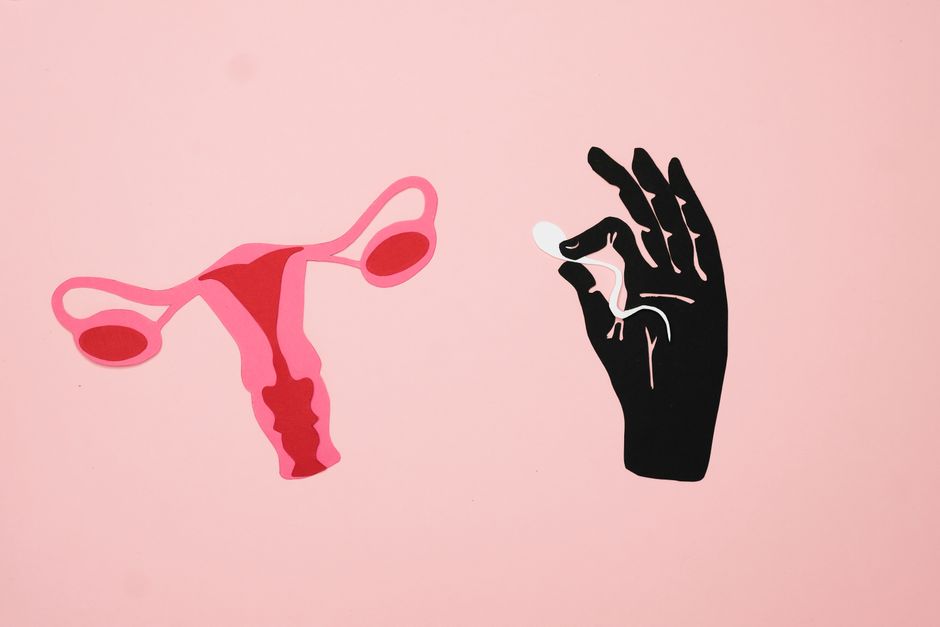
The early iterations of femtech companies were often criticized for being reductive—treating women primarily as reproductive vessels. While period tracking remains a foundational tool, the industry is now aggressively expanding into the “deep tech” space. This evolution is driven by the realization that women health is not a monolith centered solely on fertility. Instead, it is a complex, lifelong physiological experience that includes menopause, metabolic health, pelvic pain, and cardiovascular risk.
The current market trend is defined by the transition from consumer-grade apps to regulated medical diagnostics. Wearable technology, such as the Oura Ring or advanced smartwatches, now offers lab-grade biometric monitoring, tracking temperature shifts with such precision that they can map hormonal fluctuations in real-time. This is no longer about guessing when a period might arrive; it is about gathering longitudinal data that can identify early warning signs for conditions like endometriosis, PCOS, and thyroid dysfunction, effectively bridging the gap between clinical obstetric care and daily life.
The Menopause Frontier and Midlife Care

Perhaps the most significant correction in the industry is the newfound focus on the menopause vertical. For years, midlife care was largely ignored by traditional healthcare systems, leaving millions of women to navigate debilitating symptoms without adequate support. Startups like Midi Health and Alloy are filling this void, proving that there is a massive, underserved market for clinical-grade midlife interventions. This shift marks a departure from the historical obsession with fertility, signaling an industry-wide recognition that women deserve comprehensive, evidence-based care throughout every stage of their biological lifecycle, not just their childbearing years.
The Role of Data and AI
Artificial Intelligence is playing a critical role in this transformation. By embedding female-specific data into the foundation of health innovation, companies are working to correct the historical gender bias that has plagued medical research for centuries. New tools, such as AI-driven pelvic ultrasound analysis and diagnostic platforms that screen the vaginal microbiome, are providing doctors with the granular data needed to make faster, more accurate diagnoses. This is the essence of precision medicine: using technology to tailor treatments to the individual, rather than relying on generalized, “off-the-shelf” formulas.
Addressing Intimate Harms and Data Ethics
As we embrace the digital revolution, we must also confront the risks associated with intimate harms and menstrual cycle tracking apps. The collection of sensitive physiological data brings significant concerns regarding privacy, data ownership, and the potential for surveillance. When users input intimate details about their bodies into a digital ledger, they must be certain that this information is protected from third-party exploitation. The industry is currently at a crossroads; for femtech to gain the trust of its users, companies must prioritize transparent data governance and robust encryption, ensuring that their tools serve the user, not the advertiser.
The Future of Hormone Optimization
Beyond diagnostics, the next frontier is hormonal optimization. We are moving toward a future where hormone therapy is not just a reactive measure for deficiency, but a proactive tool for longevity and peak performance. This involves a more holistic view of the endocrine system, recognizing that estrogen, progesterone, DHEA, and testosterone work in a complex symphony. Personalized, bioidentical hormone therapy, guided by rigorous [at-home](https://t10family.com/en/at-home-hormone-tracking-the-future-of-womens-health-femtech/) testing and continuous monitoring, is poised to become a cornerstone of preventative health for women.
| Innovation Category | Focus Area | Clinical Impact |
|---|---|---|
| Diagnostic Hardware | Microbiome & Hormone Mapping | Early detection of endometriosis & PCOS |
| Telehealth Platforms | Menopause & Midlife Care | Increased access to HRT & symptom management |
| AI-Driven Analytics | Pelvic & Reproductive Health | Enhanced diagnostic accuracy |
| Wearable Sensors | Physiological Monitoring | Proactive health & cycle optimization |
Frequently Asked Questions
What are the risks associated with FemTech?
The primary risks include data privacy concerns, the potential for sensitive health information to be sold to third parties, and the risk of algorithmic bias. Because many historical health datasets are skewed toward male physiology, there is a risk that some apps may provide inaccurate recommendations for women. Furthermore, relying on tracking apps without professional medical oversight can lead to a false sense of security regarding serious health conditions.
Why are people saying to delete a period tracker?
The conversation around deleting apps often stems from concerns regarding data security in the wake of shifting legal landscapes. Many users are worried that the intimate data stored in these apps—such as cycle dates or pregnancy status—could be subpoenaed or used against them in legal proceedings. Always review the privacy policy of any app you use to ensure they do not sell your personal data to third parties.
What is the best book for women’s hormone health?
While there are many resources, the best approach is to look for books that emphasize clinical evidence over “wellness” marketing. Titles like “WomanCode” by Alisa Vitti or “Beyond the Pill” by Dr. Jolene Brighten are frequently recommended for their focus on endocrine health, though it is always best to consult with an endocrinologist when making significant changes to your health regimen.
What are examples of FemTech?
Examples range from software to hardware. Clue is a prominent example of a sophisticated tracking app. Joii uses diagnostic pads to measure blood loss and detect abnormalities. Oura offers wearable hardware that monitors hormonal shifts via temperature. Companies like Alloy and Midi Health focus on telehealth for menopause, while others like Daye are innovating in the diagnostic tampon space to screen for STIs and microbiome health.
Conclusion
The femtech revolution is far more than a trend; it is a long-overdue correction in the healthcare market. By moving beyond the limitations of basic tracking and embracing a more holistic, clinical approach to endocrine health, we are witnessing a fundamental change in how women interact with their own bodies. While the industry still faces challenges regarding investment, inclusivity, and data ethics, the momentum is undeniable. As we continue to integrate advanced technology into our daily health routines, the focus must remain on empowerment—ensuring that these tools provide the clarity, agency, and clinical support that women have been historically denied. The future of women health is not just about monitoring the cycle; it is about optimizing the entire human experience.