

The traditional career ladder is losing its appeal as a new generation rewrites the rules of professional success. For Gen Z, the concept of a singular, linear career path is being replaced by a networked, multi-income reality. Fueled by decentralized platforms and an unprecedented mastery of digital tools, Gen Z side hustles have evolved from simple weekend gigs into sophisticated, scalable micro-businesses. With 68.2% of Gen Z actively earning through digital ventures, this shift represents a fundamental transformation in how young people view labor, autonomy, and the value of their own expertise.
The Rise of the Micro-Skill Economy

At the heart of this movement is the monetization of micro-skills. Unlike the broad, generalized job descriptions of the past, today’s digital entrepreneurs are carving out niches based on specific, high-demand capabilities. Whether it is video editing for TikTok, managing social media for small brands, or offering AI-driven consulting, Gen Z is leveraging technology to bypass traditional gatekeepers. The global creator economy, now valued at over $250 billion, provides the infrastructure for this independence, allowing individuals to sell products and services directly to a global audience without needing a corporate intermediary.
Software as the Ultimate Enabler
The barrier to entry for starting a business has never been lower, thanks to a robust ecosystem of software. Tools like Canva, Payhip, and various AI-powered platforms allow creators to design professional-grade content, host digital products, and automate client communication with minimal overhead. This technological accessibility is a primary driver behind Gen Z side hustle statistics, which reveal that young earners are making an average of $102 per hour—five times the average earnings for traditional young professionals. By treating software as a virtual team, Gen Z solopreneurs are scaling their operations in ways that were previously only possible for established agencies.
Why Gen Z is Choosing the Side Hustle Life
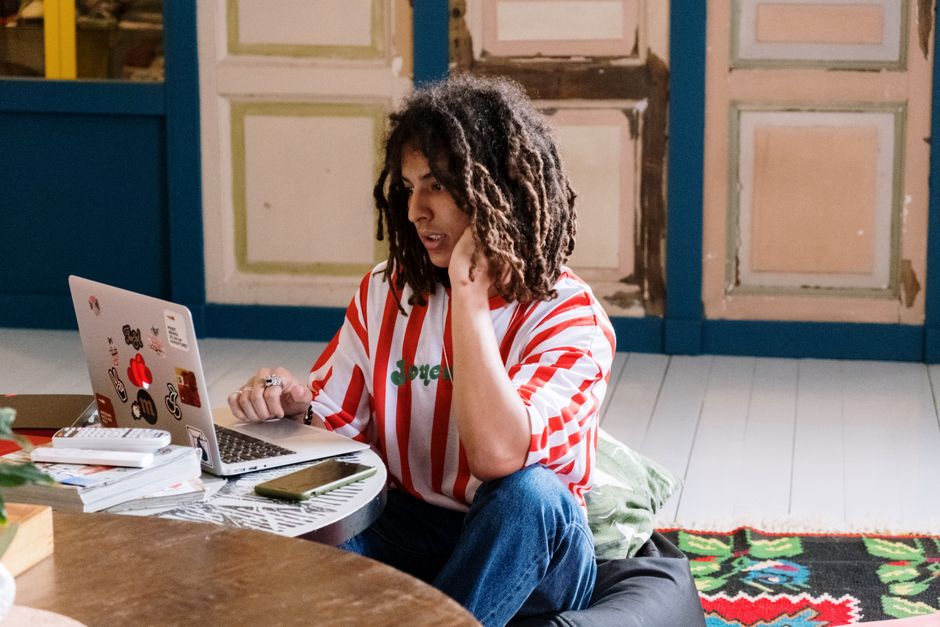
While financial security is a significant motivator for 48% of Gen Z, the drive behind these ventures is multifaceted. For many, the side hustle is an exercise in creative freedom and personal branding. Unlike a traditional 9-to-5 role, a side hustle allows for direct ownership of one’s output. This desire for autonomy is reflected in the fact that 49% of Gen Zers cite being their own boss as their primary goal. Furthermore, the ability to build a portfolio of diverse income streams provides a psychological safety net in an increasingly volatile global economy.
The AI Solopreneur Paradigm
One of the most notable shifts in recent years is the integration of generative AI into the professional toolkit. One in three Gen Zers now uses tools like ChatGPT, Midjourney, and Runway to streamline their workflows. This is not just about efficiency; it is about expanding the scope of what one person can accomplish. By automating repetitive tasks like scheduling, data entry, and basic design work, Gen Z creators can focus on the high-level strategy and creative direction that truly defines their brand. This efficiency is a core component of how Gen Z is making money at such a high hourly rate.
The Hidden Costs: Burnout and the Monetization Trap
Despite the successes of the creator economy, the reality of constant multitasking is not without its challenges. The pressure to turn every hobby into a revenue stream has created a significant mental health crisis. Research shows that 61% of Gen Z feels societal pressure to monetize their passions, leading to a profound sense of burnout for 44% of those involved in side hustles. When a creative outlet becomes a source of financial stress, the original joy of the craft is often lost. Balancing the drive for financial independence with the need for personal well-being remains the greatest challenge for this generation.
Strategies for Sustainable Growth
To avoid the burnout trap, many successful Gen Z entrepreneurs are shifting their focus toward building sustainable, long-term assets rather than chasing quick, high-effort gigs. This involves prioritizing scalable digital products—such as courses, templates, or subscription communities—over time-for-money services. By creating a product once and selling it infinitely, creators can break the link between their hours worked and their total income, allowing for a more balanced approach to their professional lives.
Frequently Asked Questions
What side hustles is Gen Z doing?
Gen Z is largely focused on digital-first ventures. Popular options include content creation on platforms like YouTube and TikTok, freelance graphic design using tools like Canva, AI-assisted copywriting, social media management for local businesses, gaming streaming, and selling digital products such as e-books or online courses through platforms like Payhip.
How can I make $2,000 a month on the side?
Reaching a $2,000 monthly target usually involves moving from a single gig to a service-based model or a subscription-based product. For example, managing social media for four clients at $500 per month each, or selling a digital product priced at $50 to 40 customers, can achieve this goal. The key is to leverage existing skills in high-demand areas like digital marketing or technical writing.
How to make $10,000 a month side hustle?
Generating $10,000 per month typically requires scaling through automation and high-ticket offers. This often involves building a personal brand to attract premium clients or creating a scalable digital product that sells at volume. Many who reach this level use AI to handle the bulk of operational tasks, allowing them to focus on high-value consulting or complex project management that justifies higher price points.
What is the most profitable side hustle?
The most profitable side hustles are those that offer high leverage, such as software-as-a-service (SaaS) micro-tools, specialized coaching, or high-end technical consulting. These roles allow you to charge based on the value you provide to a business rather than the time you spend working. Digital products are also highly profitable because they have zero marginal cost of reproduction.
Conclusion
The shift toward decentralized work is not merely a passing trend; it is a fundamental reconfiguration of the modern workforce. Gen Z is leading this charge by treating their careers as portfolios of skills rather than fixed, lifelong titles. While the pressures of the hustle culture are real, the tools and platforms available today offer unprecedented opportunities for creative expression and financial independence. As this generation continues to refine how they balance their ambitions with their well-being, they are effectively setting the blueprint for [the future of](https://t10family.com/en/the-future-of-luxury-how-digital-fashion-is-redefining-value/) work—one that values agility, digital literacy, and the courage to build something entirely from scratch.