

The boundary between high fashion and high-tech engineering is dissolving. For decades, the clothing industry focused primarily on aesthetics and basic utility, but we are entering an era where our garments act as sophisticated, wearable instruments. Smart textiles are no longer just a futuristic concept found in laboratory research; they are becoming integrated into the fabric of our daily lives, transforming how we interact with our environment, monitor our health, and optimize our physical performance. By weaving conductive materials, micro-sensors, and responsive polymers directly into yarns, designers and engineers are creating garments that do more than cover the body—they listen to it.
The Evolution of Smart Textiles

At their core, smart textiles are fabrics that have been enhanced with technology to provide functions beyond traditional protection or style. These materials can sense, react, and adapt to external stimuli such as pressure, temperature, or electrical impulses. The innovation lies in the integration process; sensors and circuitry are often printed, woven, or knitted directly into the textile structure, ensuring the garment remains flexible, breathable, and comfortable for the wearer.
The manufacturing process often utilizes advanced techniques such as thermal fiber drawing, which allows engineers to embed complex, computational properties into the very core of a fiber. This creates a seamless experience where the garment functions as a continuous, unobtrusive monitor. Whether it is an athlete tracking muscle exertion or a patient managing a chronic condition, these fabrics provide a level of data granularity that was previously only available in clinical settings.
5 Textiles That Regulate Temperature and Monitor Vital Signs
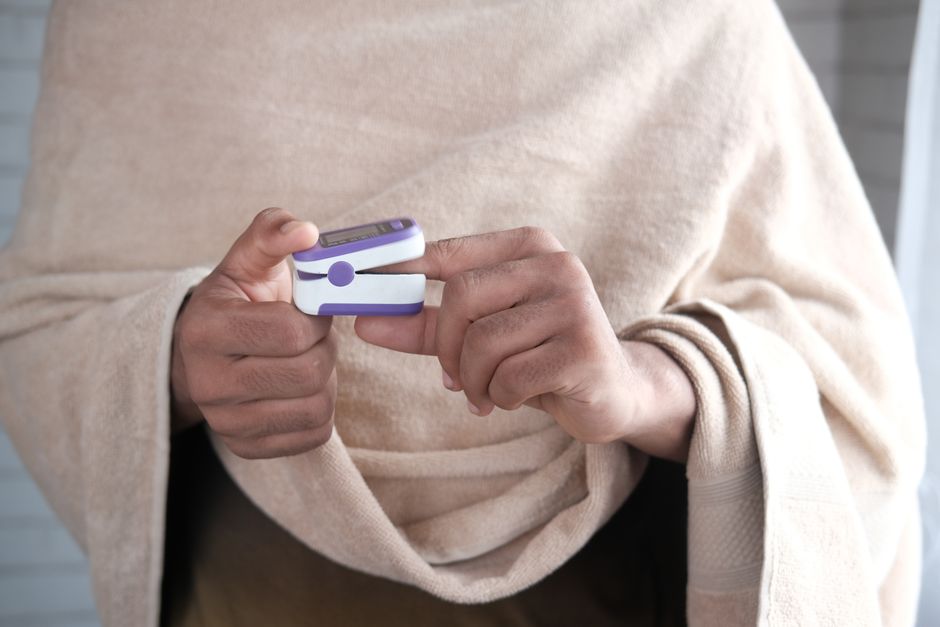
To understand the breadth of this technology, it is helpful to look at specific material innovations currently leading the market. These five categories demonstrate the diverse ways smart fabrics are reshaping our relationship with clothing.
1. MXene-Coated Fabrics
MXenes represent a breakthrough in two-dimensional, metal-based materials. When printed onto fabrics, they transform standard clothing into high-performance diagnostic tools. Their primary advantage is their versatility; they are not only capable of monitoring blood pressure, heart rate, and body temperature but are also inherently antimicrobial. This makes them particularly valuable in medical environments, where they help prevent bacterial contamination while simultaneously acting as a health monitor for patients.
2. Thermo-Responsive Polymers
These fabrics are engineered to respond to the body’s internal temperature and the surrounding environment. Using a mechanical response mechanism, the pores of the fabric expand when the wearer is hot, promoting airflow and cooling. Conversely, when the temperature drops, the fibers elongate and the pores close, trapping heat to maintain thermal equilibrium. This passive regulation is a game-changer for outdoor enthusiasts who require consistent comfort without the bulk of traditional layering.
3. Electrocardiogram (ECG) Integrated Knits
Perhaps the most critical advancement in the medical sector is the integration of fabric-based electrodes. By using conductive polymers or metallic threads woven into the chest area of a garment, these smart fabrics can capture the heart’s electrical activity with clinical-grade accuracy. Because the sensors maintain consistent contact with the skin, they provide continuous, real-time data on heart rate and rhythm, allowing for the early detection of arrhythmias or signs of cardiac stress.
4. Shape-Memory Compression Textiles
Used extensively in high-level sports and rehabilitation, these textiles utilize fibers that can alter their physical state in response to movement. These fabrics provide dynamic compression, tightening when a muscle is under load to provide support and stability, and loosening during rest to ensure comfort. This functionality helps reduce the risk of injury during high-intensity training and aids in recovery by managing muscle fatigue more effectively than static compression garments.
5. Solar-Harvesting Functional Fibers
One of the biggest hurdles for wearable technology is power. New developments in solar-harvesting textiles integrate thin, flexible energy-storage layers directly into the weave. These fabrics act as a wearable power bank, capable of charging small electronics or powering the sensors embedded within the garment itself. By turning the fabric into a mobile energy source, researchers are removing the need for bulky external battery packs, making smart clothing truly autonomous.
How Sensor-Integrated Textiles Operate
The functionality of these garments relies on the principles of material science and electronics. When a sensor—whether it is for respiration, motion, or glucose monitoring—is woven into a shirt, it is essentially creating a bridge between the biological and the digital. These sensors detect changes in electrical resistance, capacitance, or physical deformation. For example, a strain sensor integrated into a sleeve can track the kinematics of a person’s elbow, providing data that can be used for gait analysis or physical therapy.
This data is often processed locally by small, low-power microcontrollers hidden within the garment’s seams, or transmitted via low-energy Bluetooth to a smartphone application. This real-time feedback loop allows the user to see their vital signs, activity levels, and recovery metrics instantly, turning the wearer into an active participant in their own health management.
Frequently Asked Questions
What are examples of smart textiles?
Examples include ECG-integrated shirts for heart monitoring, thermo-responsive athletic wear that adjusts breathability based on body heat, antimicrobial hospital gowns coated with conductive materials, and compression garments that use shape-memory fibers to support muscle movement.
What is the best fabric for regulating body temperature?
The best fabrics for this purpose are thermo-responsive textiles that utilize smart polymers. These materials are designed to physically change their structure—opening pores to release heat or closing them to retain it—based on the ambient temperature and the wearer’s skin temperature.
What are the disadvantages of smart fabrics?
Current disadvantages include the durability of sensors after repeated machine washing, the potential for oxidation in certain metallic-based coatings, and the need for more sustainable, environmentally friendly production methods. Additionally, there is a challenge in balancing comfort with the integration of power-hungry electronic components.
What are the 5 different types of textiles with examples?
The five main categories in this context are: 1. Conductive textiles (ECG shirts), 2. Thermo-responsive textiles (breathable cooling apparel), 3. Shape-memory textiles (dynamic compression gear), 4. Antimicrobial/Biomedical textiles (MXene-coated clinical fabrics), and 5. Energy-harvesting textiles (solar-powered smart jackets).
Conclusion
The emergence of smart textiles marks a significant shift in how we approach both fashion and personal wellness. By moving technology from our wrists and pockets directly onto our skin, we have unlocked a future where our clothing serves as a persistent, intelligent guardian of our health and performance. While challenges regarding sustainability, washability, and long-term durability remain, the ongoing research into advanced materials like MXenes and responsive polymers suggests that the next generation of apparel will be far more than a style choice. It will be an essential, interactive component of a proactive, data-driven lifestyle, providing the insights necessary to optimize our health and movement in real time.