

The rise of designer dogs—crossbreeds intentionally created by mixing two purebred lineages—has transformed the modern pet landscape. While the appeal of a unique temperament or a specific coat type is understandable, the trend has sparked intense debate among veterinarians, animal welfare advocates, and prospective owners. When scrolling through forums like Reddit, you will often see the question, is dog breeding ethical, debated with passion and frustration. Navigating this world requires more than just a preference for a specific look; it demands a deep dive into the ethical breeding practices that prioritize the welfare of the animal over the trends of the market.
The Evolution of Designer Breeds
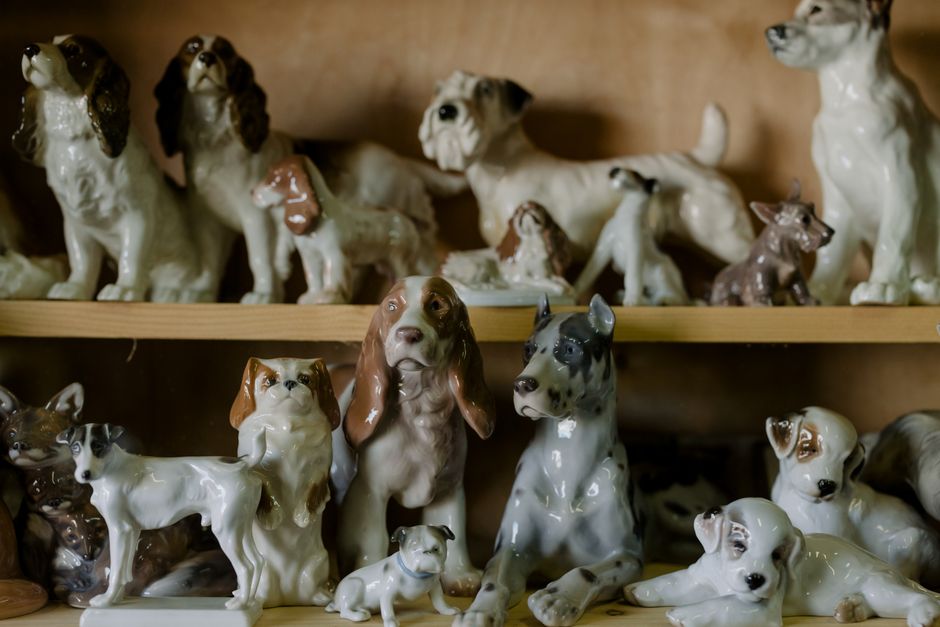
Historically, breeding was focused on function—herding, hunting, or companionship. Today, the focus has shifted toward aesthetic outcomes, often resulting in designer animals that are marketed as “hypoallergenic” or “perfect” family pets. However, the unethical breeding of dogs often hides behind clever marketing. When we prioritize aesthetics, we risk ignoring the biological foundation of the species. It is a sobering fact that all dogs, regardless of their breed, share more than 99% of their DNA with wolves. When we manipulate this delicate genetic balance for human convenience, we invite a host of potential complications.
10 Ethical Considerations Before Adopting a Designer Breed

Before bringing a designer puppy into your home, it is essential to evaluate the breeding process through an ethical lens. Here are ten critical considerations to guide your decision-making.
- Health Over Aesthetics: Are you choosing a dog because of its appearance or its temperament? Breeding for extreme physical traits—such as shortened muzzles or exaggerated body shapes—often leads to chronic health issues that cause lifelong suffering.
- Genetic Diversity: Ethical dog breeding involves maintaining a broad gene pool. Designer crosses often suffer from limited genetic diversity, which can inadvertently concentrate hereditary diseases rather than eliminating them.
- Transparency in Pedigree: A reputable breeder will be fully transparent about the health history of both parent dogs. If a breeder cannot provide clear documentation of genetic health screenings, they are likely participating in the unethical breeding of dogs.
- The Myth of Predictability: Unlike established purebreds, designer breeds are often unpredictable. You may be promised a specific coat type or size, but genetics are complex. Choosing a dog based on a guarantee of “perfection” is a misunderstanding of biology.
- The Commodity Trap: When we treat dogs as “designer” products, we risk reducing them to commodities. This shift in perspective can lead to higher abandonment rates when the dog fails to meet the owner’s aesthetic expectations.
- Unintended Genetic Consequences: Modern genetic manipulation and selective breeding can have ripple effects. Editing or selecting for one trait may cause unforeseen health problems in another part of the genome, creating complex medical needs later in life.
- Support for Responsible Practices: Ethical breeding practices require significant time, financial investment, and care. If the price of a puppy seems too low, it is often a sign that the breeder is cutting corners, potentially ignoring the health and welfare of the parent dogs.
- The Impact of Early Socialization: Ethical breeders invest heavily in the mental well-being of their puppies. Ask yourself if the breeder prioritizes the behavioral health of the litter, or if they are simply focused on volume.
- Long-term Commitment: Consider the lifespan of the dog. Designer breeds can have unique health challenges that require specialized veterinary care. Are you prepared for the financial and emotional commitment of managing potential chronic conditions?
- The Alternative of Rescue: Before supporting a designer breeding program, consider visiting a local shelter or breed-specific rescue. There are millions of dogs in need of homes that deserve the same love and care as a designer-bred puppy.
The Science and Consequences of Breeding
The benefits and consequences of dog breeding are vast. On the positive side, controlled breeding has allowed us to preserve specific working traits and companionship qualities. However, the ethical concerns about fashionable dog breeding stem from the shift toward prioritizing profit and looks. When we focus on the “designer” aspect, we often overlook the underlying genetic health. Genetic manipulation, while powerful, carries the risk of creating animals that look perfect on the outside but suffer from significant, hidden internal pathologies.
FAQ: Understanding Ethical Breeding
Are designer breeds ethical?
The ethics of designer breeds depend entirely on the breeder’s motivation and methodology. If the goal is to improve health, temperament, and longevity through rigorous testing, it can be considered ethical. However, if the goal is to mass-produce a “trendy” look for profit without regard for health screenings or the welfare of the parent dogs, it is widely considered unethical.
What are the ethical considerations when breeding dogs?
Primary considerations include the health and genetic testing of the parents, the psychological welfare of the animals, the transparency of the breeder, and the commitment to finding appropriate homes for every puppy. Breeders must prioritize the prevention of hereditary diseases and the avoidance of breeding for extreme, harmful physical traits.
What are the ethical considerations involved in animal research?
While distinct from pet breeding, animal research ethics involve the “Three Rs”: Replacement (using non-animal methods), Reduction (using fewer animals), and Refinement (minimizing pain and distress). In the context of dog breeding, these principles translate to ensuring that the breeding process does not cause unnecessary suffering or genetic harm to the animals involved.
How many times can a dog get pregnant in a lifetime?
Ethical breeding practices dictate that a female dog should not be bred during every heat cycle. While a dog can technically become pregnant multiple times, responsible breeders prioritize the health of the mother, often limiting the total number of litters to ensure she has ample recovery time. Breeding a dog too frequently is a sign of an unethical operation focused on volume rather than the well-being of the individual animal.
Conclusion
Choosing a companion is a significant life decision, and the path you choose has real-world consequences for the welfare of dogs. As we navigate the complex landscape of ethical dog breeding, it is vital to look past the label of “designer” and focus on the health, temperament, and history of the animal. By demanding transparency, supporting responsible breeders, and considering the needs of the wider canine population, we can help ensure that our relationship with dogs remains one of mutual respect and compassion. True ethical care means valuing a dog for its intrinsic worth rather than its aesthetic appeal, ensuring that every pup is treated as a living, feeling individual throughout its life.