
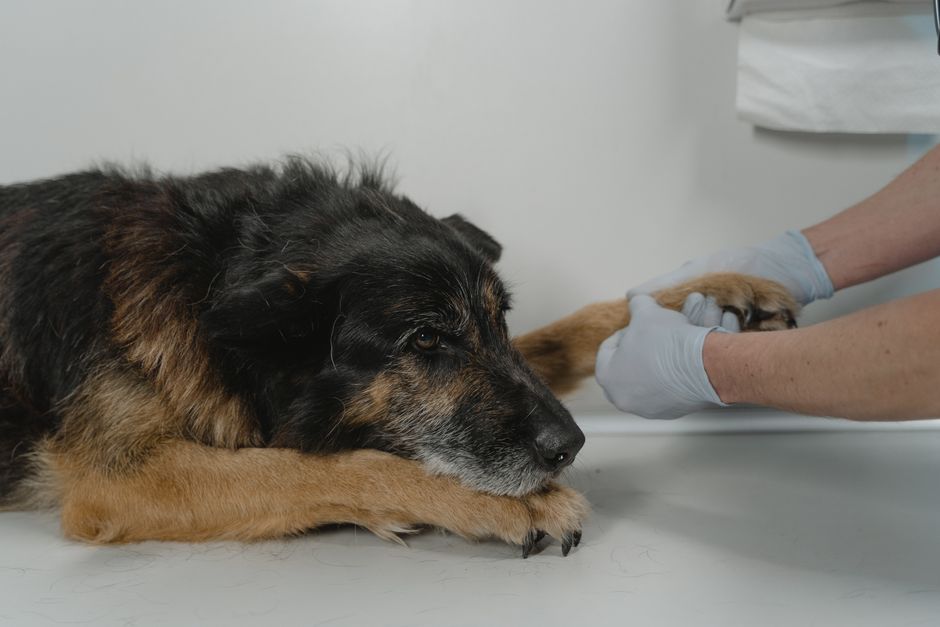
The image of a golden retriever walking down a hospital corridor is iconic, but the reality of modern animal-assisted therapy (AAT) is far more diverse and clinically sophisticated. While dogs remain the most visible ambassadors of this field, AAT has evolved into a structured, evidence-based modality that integrates a wide range of species into formal treatment plans. By moving beyond simple visitation, healthcare professionals are now leveraging the unique biological and psychological impact of animals to treat complex conditions, ranging from PTSD and schizophrenia to geriatric depression and academic anxiety.
Understanding Animal-Assisted Therapy
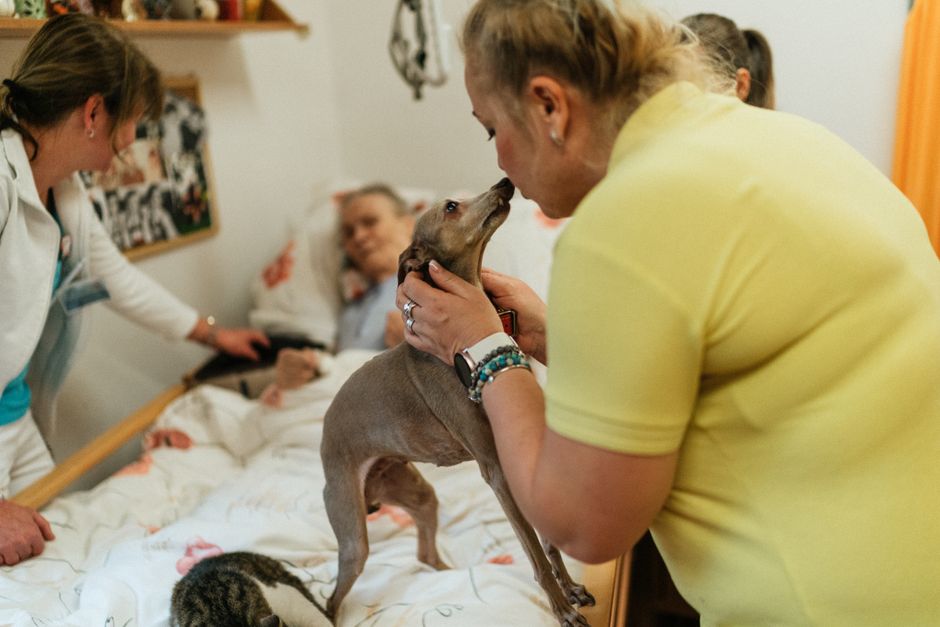
At its core, animal-assisted therapy is a formal clinical intervention. It is distinct from the informal comfort provided by a personal pet or a visiting therapy animal. AAT is facilitated by credentialed health or human service professionals who incorporate trained animals into a progress-monitored treatment plan. The International Association of Human-Animal Interaction Organizations defines this as a professional healthcare intervention that specifically aims to improve cognitive, physical, and socio-emotional functioning.
Crucially, AAT is not a replacement for traditional medicine. It serves as an adjunctive modality—a powerful tool that works alongside standard care to boost engagement and therapeutic outcomes. By serving as a social catalyst, an animal can lower a patient’s defenses, bridge the gap between patient and provider, and facilitate the trust necessary for successful clinical progress.
The Clinical Mechanisms of Interaction

Why does the presence of an animal change the clinical environment? The benefits of animal-assisted therapy are deeply rooted in physiological and psychological responses. Research indicates that interacting with a therapy animal can trigger a cascade of positive biological changes, including lower heart rates, reduced blood pressure, and decreased levels of cortisol, the body’s primary stress hormone.
Beyond the physical, animal-assisted therapy for mental health serves as an emotional bridge. For patients struggling with severe mental illness, such as schizophrenia, the emotional numbing or social withdrawal often acts as a barrier to traditional psychotherapy. An animal can bypass these barriers, providing a non-judgmental presence that encourages communication. This shift in the patient’s state of mind often leads to higher participation rates and better adherence to the broader treatment plan.
Beyond Dogs: The Diversity of Species in AAT
While canine-assisted therapy is widely recognized, the field is expanding to include other species, each selected based on the specific clinical objectives of the therapy. The choice of animal is not arbitrary; it is a clinical decision based on the patient’s physical and psychological needs.
Equine Therapy
Horses are increasingly used in therapeutic settings due to their size and sensitivity to human body language. Because horses are prey animals, they are hyper-aware of their environment. This makes them excellent mirrors for human emotion, helping patients with trauma or emotional regulation issues understand how their own internal state affects those around them.
Feline-Assisted Interventions
Cats are often utilized in geriatric settings and nursing homes. Their smaller size and lower energy requirements make them ideal for patients with limited mobility. Their presence has been shown to reduce agitation in dementia patients and provide a calming, grounding influence in quiet clinical environments.
Animal-Assisted Therapy Techniques
Animal-assisted therapy techniques are as varied as the conditions they treat. Practitioners do not simply allow a patient to pet an animal; they structure interactions to elicit specific [functional](https://t10family.com/en/functional-longevity-fitness-for-the-modern-professional/) gains. For example, a physical therapist might use a dog to encourage a patient to practice mobility exercises, such as throwing a ball or grooming the animal to improve fine motor skills. In psychiatric settings, a therapist might use the animal to facilitate a conversation about boundaries, trust, or attachment styles, using the animal’s behavior as a metaphor for the patient’s interpersonal relationships.
Evidence and Efficacy
The evidence base for animal interaction is growing rapidly. Meta-analytic research has demonstrated that in university populations, canine-assisted interventions lead to moderate reductions in stress and anxiety. In geriatric populations, these interventions have shown promise in reducing depressive symptoms and improving overall quality of life.
However, it is important to maintain a nuanced perspective. While benefits of animal-assisted therapy in mental health are supported by significant data, the evidence for complex conditions like PTSD is still emerging. Many studies are small or non-randomized, meaning that while the potential is high, more rigorous, large-scale research is required to fully understand the scope and limitations of these interventions.
FAQ: Common Questions About AAT
What are the downsides of animal-assisted therapy?
The primary concern in AAT is the welfare of the animal. Therapy animals must be carefully screened for temperament and stress tolerance. If an animal is forced to work in a high-stress clinical environment without proper rest or behavioral monitoring, it may develop anxiety or aggression. Additionally, there are logistical risks, such as animal allergies among patients or the risk of zoonotic disease transmission, which requires rigorous sanitation and health protocols.
What animal is best for anxiety and depression?
There is no “best” animal, as the choice depends on the individual’s comfort level and the clinical goals. However, dogs are often the most effective for anxiety because of their social nature and ability to provide active reassurance. For individuals who find the high energy of a dog overwhelming, cats or small animals can provide a more calming, low-stimulus interaction that is equally effective for mood regulation.
What breed of dog makes the best therapy dog?
Temperament is far more important than breed. A therapy dog must be calm, predictable, and highly social. While retrievers and Labradors are popular due to their generally friendly nature, any breed—including mixed breeds—can excel if they have the right disposition and have undergone professional training. The key is a dog that can remain focused and gentle in a variety of unpredictable clinical settings.
How to pass a therapy dog test?
Passing a therapy dog evaluation requires a combination of basic obedience and advanced social skills. Your dog must be able to remain calm when approached by strangers, ignore distractions like dropped food or loud noises, and tolerate being handled by different people. Most organizations require the dog to be comfortable with grooming and physical contact. Training should focus on desensitization to medical equipment, such as wheelchairs or IV poles, and ensuring the dog is comfortable in crowded or clinical environments.
Conclusion
The evolution of animal assisted therapy represents a shift toward more holistic, patient-centered care. By integrating animals into clinical practice, we are not just providing a distraction; we are utilizing a biological bridge that taps into the innate human-animal bond to foster healing. As we continue to refine our understanding of these interventions, the focus must remain on the intersection of rigorous clinical standards and the welfare of the animals themselves. Whether you are looking for animal assisted therapy near me or considering it as a professional intervention, [the future of](https://t10family.com/en/the-future-of-pet-health-why-smart-collars-are-essential/) the field lies in this balance of science, empathy, and professional integrity.