
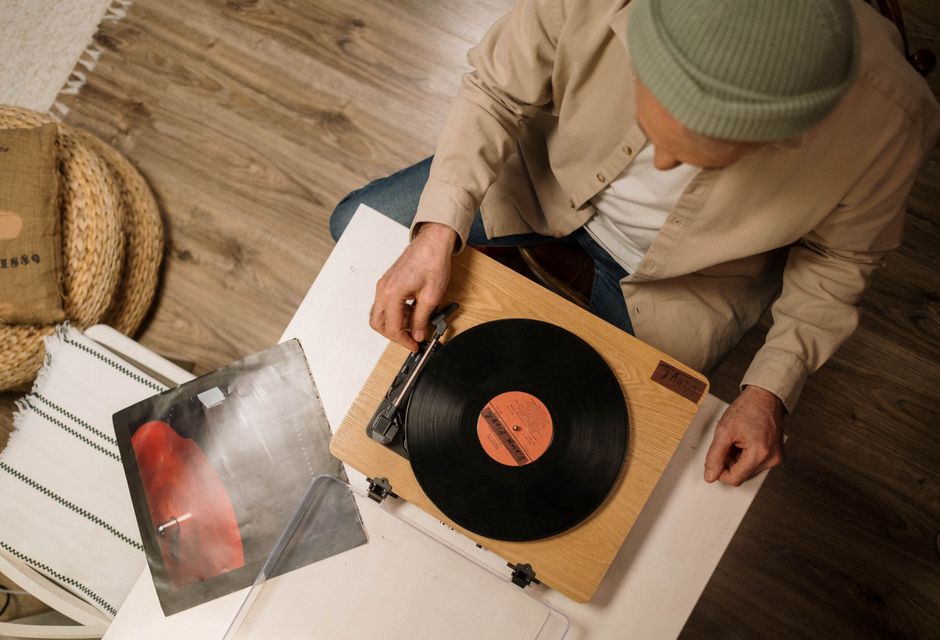
In an era defined by lightning-fast connectivity and the relentless hum of notifications, a quiet revolution is taking place in workshops, studies, and living rooms across the globe. Men are increasingly turning away from their screens to embrace the tactile, deliberate world of analog hobbies. This shift is not merely a nostalgic trend; it is a calculated response to the mental exhaustion caused by our hyper-connected lives. As digital burnout becomes a modern epidemic, analog hobbies are soaring as people tire of doomscrolling, seeking instead the grounding influence of physical work and sensory engagement.
The Psychology of the Tangible
Digital experiences are, by their very nature, intangible. We spend our professional and personal hours interacting with pixels, cloud storage, and virtual interfaces. While this allows for unprecedented efficiency, it often leaves us feeling unmoored. Analog hobbies for men provide a necessary antidote to this abstraction by reintroducing physical movement and sensory feedback into our downtime.
When you hold a fountain pen, you are not just writing; you are feeling the pressure of the nib against high-quality paper and watching the ink flow in real-time. When you work with clay on a pottery wheel or carve wood, you are interacting with textures that possess weight, resistance, and permanence. These physical details matter psychologically because they anchor the brain in the present moment, forcing a departure from the abstract, high-speed environment of the internet.
Breaking the Cycle of Mental Acceleration
Modern work culture prioritizes speed above all else. We are constantly pushed to respond to emails instantly, consume information in rapid-fire bursts, and switch contexts dozens of times per hour. Over time, this creates a state of mental acceleration that is emotionally exhausting. Analog activities act as a circuit breaker for this rhythm.
Because analog tasks cannot be completed at the speed of a keyboard shortcut, they naturally force a slower pace. Handwriting a journal entry takes longer than typing a note; drawing a sketch requires patience that a filter cannot replicate. This deliberate pace changes our emotional rhythm, replacing urgency with sustained focus. By choosing hobbies that require physical process rather than instant results, the brain receives a much-needed reprieve from the constant switching between digital stimuli.
The Cultural Shift Toward Quiet

For a long time, Western culture treated stimulation as the ultimate form of entertainment. If we weren’t consuming content, we felt we were wasting time. However, a significant cultural shift is underway. Many men are beginning to realize that uninterrupted calmness is not synonymous with boredom; it is a vital component of mental well-being. Analog hobbies for adults provide a structured way to reintroduce silence into a life that has become too loud.
Whether it is the rhythmic, repetitive motion of knitting or the focused, meditative practice of film photography, these activities create an environment where attention can settle. In these moments of quiet, the internal noise that accompanies digital overload begins to fade. This is not about escaping the world, but rather about recalibrating one’s relationship with it.
Why Analog Hobbies Are Essential for Modern Men
The appeal of these activities often lies in their ability to provide tangible evidence of progress. Digital work often feels ephemeral—tabs are closed, files are overwritten, and projects exist only as lines of code. In contrast, analog hobbies produce physical artifacts. A filled notebook, a finished piece of furniture, or a developed roll of film serves as a testament to the time and effort invested. This physical proof of work provides a unique sense of accomplishment that is difficult to replicate in the digital sphere.
Recommended Analog Hobbies List
If you are looking to disconnect and reclaim your mental bandwidth, consider starting with these activities, which are gaining traction among men who value quality and craft:
- Fountain Pen Writing and Journaling: A practice that encourages introspection and improves handwriting, offering a sensory experience that typing cannot match.
- Film Photography: Moving away from the thousands of photos on your smartphone, film photography forces you to slow down, compose your shot, and wait for the results.
- Pottery and Ceramics: Engaging in a deeply tactile process that requires patience, physical coordination, and an understanding of earth-based materials.
- Woodworking: A classic craft that combines precision, planning, and manual labor, resulting in objects that can last for generations.
- Analog Watch Repair or Restoration: A hobby for the detail-oriented, focusing on mechanical complexity and the satisfaction of bringing a machine back to life.
Addressing the Misconception of Grandma Hobbies
There is a lingering social stigma that labels certain manual crafts as “grandma hobbies” and suggests they are incompatible with modern masculinity. This is an outdated perspective. The mental health benefits of these activities—such as knitting, painting, or gardening—are universal. Recognizing that these hobbies are tools for stress relief and cognitive health is a sign of emotional maturity. In truth, the ability to control one’s own environment and focus on a craft is a highly disciplined and masculine pursuit.
Frequently Asked Questions
What is the most popular hobby for reducing stress?
While popularity varies, journaling and physical crafts like woodworking or gardening are consistently cited as top tier for stress reduction. The common denominator is that they require a singular, meditative focus that pulls the mind away from daily anxieties and into the immediate task at hand.
What are analog hobbies?
Analog hobbies are activities that rely on physical tools, manual processes, and tangible outcomes rather than digital interfaces. They emphasize sensory engagement, such as the feel of paper, the sound of mechanical parts, or the texture of natural materials, rather than screens and virtual software.
What is the most masculine hobby?
There is no single “most masculine” hobby, as masculinity is defined by the individual. However, pursuits that involve building, repairing, or mastering a physical craft—such as leatherworking, metalwork, or complex mechanical restoration—are often associated with traditional notions of self-reliance and technical skill.
What is the 5 hobbies rule?
The 5 hobbies rule is a popular framework for maintaining a balanced life. It suggests that a person should have at least five hobbies to stay mentally and physically healthy: one to keep you creative, one to keep you in shape, one to build knowledge, one to earn money (or build skills), and one to evolve your mindset. Many people are now ensuring that at least two of these are analog to combat digital fatigue.
Conclusion
The revival of analog crafts is a testament to the human need for connection—not just to others, but to the physical world we inhabit. As we move deeper into an increasingly virtual future, the value of the “quiet craft” will only grow. By carving out space for analog hobbies, we are not rejecting progress; we are curating our attention, protecting our mental health, and ensuring that our lives remain grounded in the tangible. Whether you pick up a fountain pen, a hammer, or a camera, the act of slowing down is perhaps the most productive thing you can do for your mind today.