
For the modern professional, the traditional gym model often feels like an outdated relic. Between back-to-back meetings, global travel, and the relentless pressure of a high-stakes career, carving out an hour for a treadmill session can feel like a logistical impossibility. However, the paradigm of physical health is shifting. We are moving away from aesthetic-focused bodybuilding and toward functional longevity—a philosophy that prioritizes your healthspan, or the number of years you live in optimal health, rather than just your total lifespan. By integrating movement into the fabric of your daily life, you transform exercise from a chore into a foundational pillar of your professional performance.
The Science of Functional Longevity
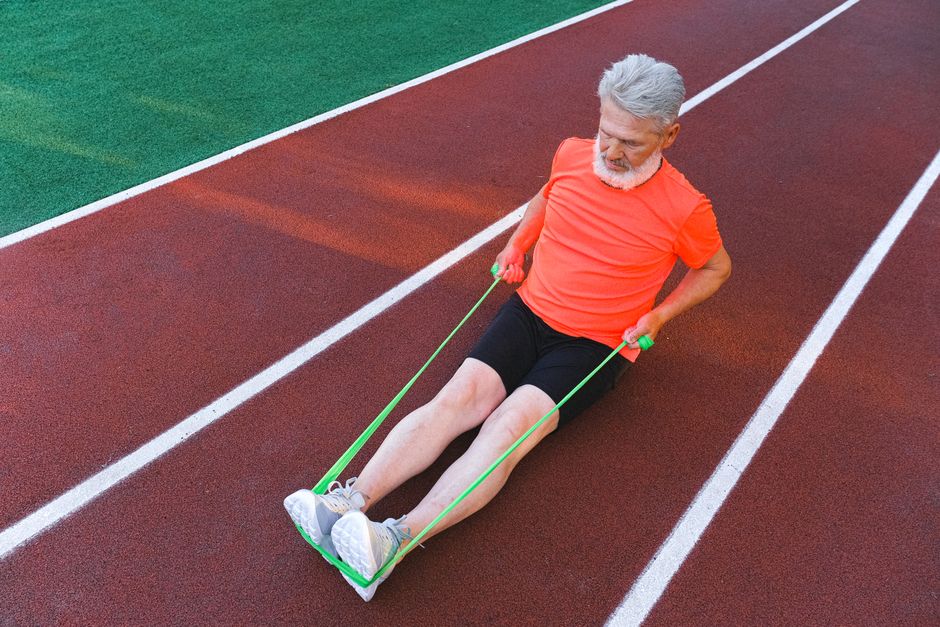
At its core, functional fitness is about training the body for the activities of real life. While a bicep curl is a linear, isolated movement, functional training focuses on multi-joint patterns that mirror how we move in the world: squatting, lunging, pushing, pulling, and rotating. For the busy professional, this is the most efficient way to build resilience against the physical toll of a sedentary office environment.
Mitigating the Sedentary Trap
Extended periods of sitting lead to metabolic dysfunction, tight hip flexors, and chronic lower back pain. Research suggests that you do not need a two-hour gym block to combat these effects. Instead, the concept of movement snacking—short, high-intensity bouts of activity throughout the workday—can significantly improve insulin sensitivity and cardiovascular markers. Whether it is performing a set of air squats before a Zoom call or taking a brisk walk while on a phone meeting, these micro-doses of movement keep your metabolism firing and your cognitive function sharp.
Designing a Training Strategy for the Busy Professional
To achieve longevity, your training must be sustainable. If a routine is too complex or time-consuming, it will be the first thing abandoned during a busy week. The goal is to build a baseline of movement that is so integrated into your day that it becomes automatic.
The Pillars of Functional Movement
A balanced approach to fitness should focus on movement quality over sheer intensity. Consider the following table to categorize how you can integrate these movements into a high-pressure schedule.
| Category | Functional Movement | Office Integration |
|---|---|---|
| Mobility | Thoracic rotation and hip opening | Desk-based stretches between emails |
| Strength | Squats, lunges, and push-ups | Bodyweight sets during short breaks |
| Cardiovascular | High-intensity intervals | Stair climbing or rapid transit walking |
Leveraging Micro-Workouts
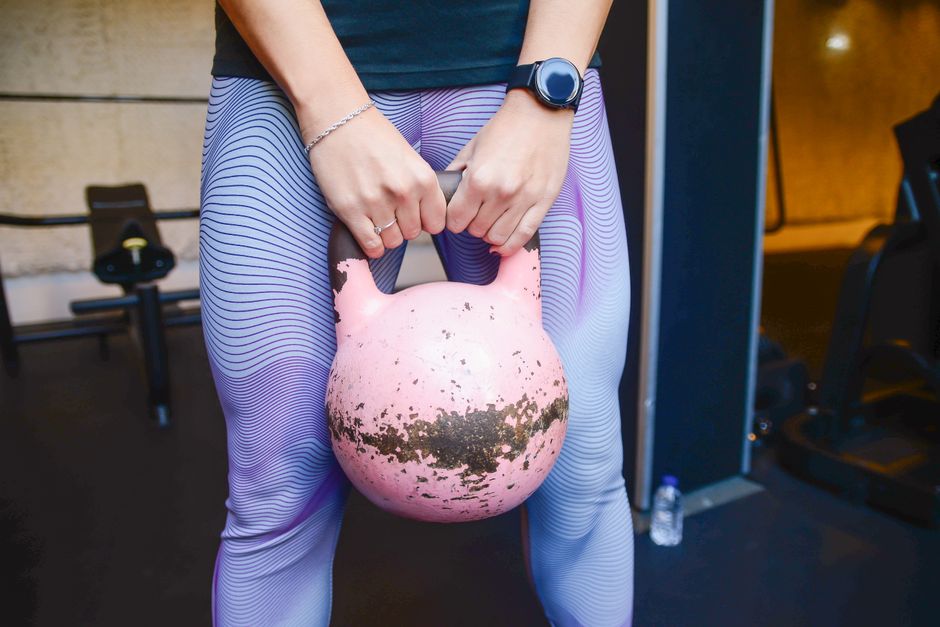
Data indicates that 10 to 15-minute micro-workouts, when performed at a high intensity, yield physiological benefits comparable to longer, moderate sessions. For the professional, this is a game-changer. By focusing on compound movements—like a kettlebell swing or a burpee—you can elevate your heart rate and engage multiple muscle groups in the time it takes to brew a pot of coffee. This is not about vanity; it is about building a body that can handle the stress of your career without breaking down.
Beyond the Gym: Creating an Environment for Vitality
True functional health requires looking beyond the four walls of a fitness club. Your environment dictates your habits. If you work in an office, optimize your workspace to encourage movement. Use a standing desk, keep a set of resistance bands in your drawer, or commit to a policy of walking during one-on-one meetings. These small adjustments reduce the “sitting debt” that accumulates over a forty-hour work week.
Nutrition and Recovery as Training Tools
Longevity is not just about moving; it is about how you fuel and repair. A high-performance professional should view nutrition as a recovery tool. Prioritizing protein intake supports muscle maintenance, which is critical as we age, while focusing on anti-inflammatory whole foods helps mitigate the systemic stress of high-pressure work. Sleep, while often sacrificed, is the non-negotiable variable. Without adequate rest, your training becomes a stressor rather than a stimulant for growth.
Frequently Asked Questions
What is the 3-3-3 rule gym?
The 3-3-3 rule is a simple framework for maintaining consistency. It suggests that you should aim for 3 sessions of strength training per week, 3 sessions of cardiovascular work, and 3 sessions of mobility or active recovery. It is a flexible guideline designed to ensure you hit the minimum requirements for a healthy heart and functional joints without needing to spend every waking hour at the gym.
What sport adds 10 years to your life?
While no single sport is a magic bullet, large-scale studies have consistently pointed toward racquet sports—such as tennis, squash, and badminton—as being among the most effective for longevity. These sports combine cardiovascular output with agility, hand-eye coordination, and, crucially, social interaction. The combination of physical exertion and complex neural engagement helps maintain cognitive health and physical resilience simultaneously.
What is the number one workout to boost longevity?
There is no singular “best” workout, but if you had to choose one modality, it would be a combination of resistance training and zone 2 aerobic exercise. Resistance training preserves lean muscle mass and bone density, which are the primary predictors of physical independence in later life. Zone 2 training—steady-state cardio where you can hold a conversation but are still breathing heavily—optimizes mitochondrial health and metabolic efficiency.
What are the 7 habits of longevity?
While lists vary, the consensus among health experts typically includes: 1) Regular physical movement that includes both strength and cardio; 2) A diet rich in whole, plant-forward foods; 3) Maintaining deep, meaningful social connections; 4) Prioritizing high-quality sleep; 5) Managing chronic stress through mindfulness or breathwork; 6) Avoiding harmful substances; and 7) Having a strong sense of purpose or “why” behind your daily actions.
Conclusion
Integrating functional fitness into your life is not about becoming an athlete; it is about ensuring your body remains a capable vehicle for your ambitions. By shifting your mindset from “going to the gym” to “living a functional life,” you remove the friction that prevents most professionals from staying consistent. Whether it is through micro-workouts, active meetings, or prioritizing recovery, every small action compounds over time. Building longevity is the ultimate long-term investment, and the dividends—clarity, energy, and physical freedom—are worth far more than any professional accolade. Start small, stay consistent, and remember that your body is the most important asset you will ever manage.