
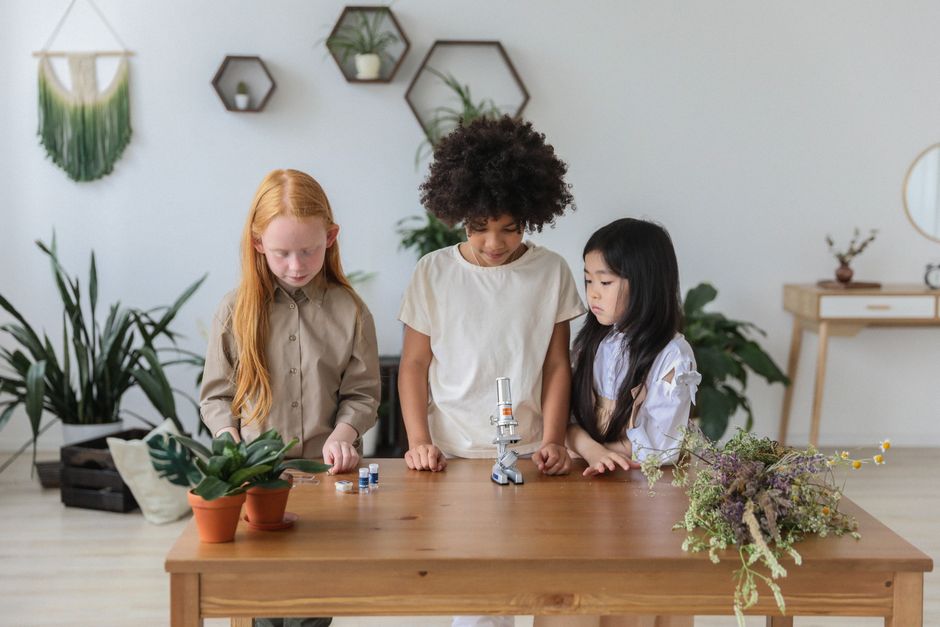
Many parents and educators believe the misconception that high-quality STEM education requires expensive robotic kits, specialized software, or laboratory-grade equipment. In reality, the most profound scientific breakthroughs often start with curiosity about the world around us—a world that can be explored right in your kitchen, backyard, or living room. By utilizing common household items, you can foster a love for discovery without breaking the bank. These 10 budget-friendly STEM activities to spark creativity at home are designed to turn everyday objects into tools for innovation, helping children develop critical thinking skills through hands-on play.
Transforming Your Home into a Laboratory

The kitchen is essentially a home laboratory where chemical reactions, changes in states of matter, and precise measurements occur daily. Using food as a medium for science is one of the most cost-effective ways to teach STEM because you are likely already stocking the necessary ingredients. By shifting the perspective of your home from a living space to a place of inquiry, you invite children to engage with the scientific method in a natural, low-pressure environment.
1. The Floating Aquarium
Using a glass pie plate, dry-erase markers, and water, children can explore the science of density and surface tension. When they draw sea creatures on the glass and slowly add water, the drawings lift off the surface to “swim.” It is a visually captivating way to teach kids about why certain materials float and how different substances interact.
2. Homemade Lava Lamps
By combining oil, water, food coloring, and an effervescent tablet, children can observe the principles of density and polarity. The oil and water refuse to mix, while the tablet creates carbon dioxide gas that carries colored water droplets to the surface. It is a fantastic introduction to fluid dynamics.
3. Kitchen Chemistry: DIY Sidewalk Chalk
Transforming liquids into solids is a hallmark of chemistry. Using eggshells, flour, and food coloring, children can mold their own sidewalk chalk. This activity teaches them about chemical composition while providing a creative outlet for sidewalk art, bridging the gap between scientific process and artistic expression.
4. Ice Volcanoes
Inspired by cryovolcanoes on distant moons, you can create a frozen eruption using baking soda, water, and vinegar. This experiment demonstrates acid-base reactions in a dramatic, memorable way, allowing students to observe how matter changes when it interacts with different reagents.
5. Lemon-Powered Electricity
Using a simple kit or just a few copper pennies, galvanized nails, and a lemon, kids can learn about electrolytes and electrical circuits. This is a classic experiment that turns a piece of fruit into a battery, proving that energy is all around us.
Engineering and Math with Everyday Materials
STEM is not just about chemistry; it is also about building, designing, and understanding the physical world. Easy STEM activities with paper, cardboard, and recyclables are perfect for students who enjoy hands-on construction. These materials encourage children to think about structural design and physics without the need for specialized tools.
6. Cardboard Engineering Challenges
Collect cardboard boxes, paper towel rolls, and plastic bottles to create a “maker space” in your home. Challenge your child to build the tallest tower that can withstand a “wind test” from a desk fan. This encourages iterative design, where children test, fail, and improve their structures.
7. Estimation Jars
Math is the language of STEM, but it can feel intimidating on a worksheet. Fill a jar with dried beans, buttons, or rocks. Ask your child to estimate the count, then provide a smaller container to see how many of those items fit inside. This builds number sense and spatial reasoning in a tactile way.
8. Chromatography Butterflies
Use coffee filters and washable markers to explore color theory and chromatography. By drawing on the filter and letting water soak through, children see the individual pigments that make up a specific color. Once dry, these filters can be shaped into butterflies, blending chemistry with art.
9. Popcorn Physics
Corn is a versatile crop that offers a great lesson in heat transfer and the physics of expansion. By observing how popcorn kernels transform under heat, children can learn about internal pressure and the structural changes that occur when moisture turns into steam.
10. Backyard Weather Stations
STEM activities for 3-5 year olds often start with observation. Create a simple rain gauge using a plastic bottle or a wind vane using paper and a straw. Encouraging children to track the weather over a week helps them practice data collection and pattern recognition.
The Role of STEAM: Blending Art with Logic
The “A” in STEAM is essential because it encourages children to think about aesthetics, design, and creative expression alongside logic and data. When you integrate art, you make the “hard” sciences feel more approachable. Whether it is designing a visually striking lava lamp or painting with homemade chalk, the artistic element allows children to personalize their experiments, making the learning process deeply meaningful and unique to them.
Structuring a Successful STEM Session
When you are planning cheap STEM activities for elementary kids, the way you present the activity is just as important as the materials you use. Avoid the temptation to lecture; instead, act as a “guide on the side.” Ask open-ended questions like, “What do you think will happen if we add more baking soda?” or “Why do you think the tower fell over?” This encourages children to use the scientific method—forming a hypothesis, testing it, and observing the results—rather than just following a recipe.
Frequently Asked Questions
What are some ideas for STEM projects?
STEM projects can range from structural engineering tasks, like building a bridge out of recycled paper, to chemistry experiments, such as growing crystals or [creating](https://t10family.com/en/creating-lasting-family-memories-tips-activities/) DIY slime. The best projects are those that allow for trial and error.
What are some STEM activities I can do at home?
You can do everything from kitchen chemistry to backyard biology. Simple experiments like floating dry-erase marker drawings, measuring the growth of plants, or creating circuits with fruit are excellent ways to start.
What are affordable STEM activity ideas?
Focus on household recyclables and pantry staples. Cardboard, plastic bottles, baking soda, vinegar, and food coloring are all low-cost items that open the door to hundreds of experiments. You do not need expensive kits to get started.
What are some fun activities for STEM clubs?
For groups, team-based challenges are best. Try “egg drop” challenges, where teams must build a protective casing for an egg using limited materials, or collaborative mural projects using homemade paints. These activities foster teamwork and communication alongside scientific learning.
Conclusion
Engaging in STEM does not require a large budget or a science degree; it requires a curious mind and a willingness to explore. By utilizing common household items, you can provide your children with the tools they need to investigate the world, understand physical laws, and foster their natural creativity. Whether you are building a structure out of old cardboard or observing a chemical reaction in a glass of water, every experiment is a step toward building a stronger, more analytical mind. Start small, embrace the mess, and enjoy the discovery process with your family.